أعوذ بالله من الشيطان الرجيم، بسم الله الرحمن الرحيم، الحمد لله رب العالمين، وصلى الله على محمد وآله الطاهرين، سيما بقية الله في الأرضين، أرواحنا وأرواح العالمين له الفداء.
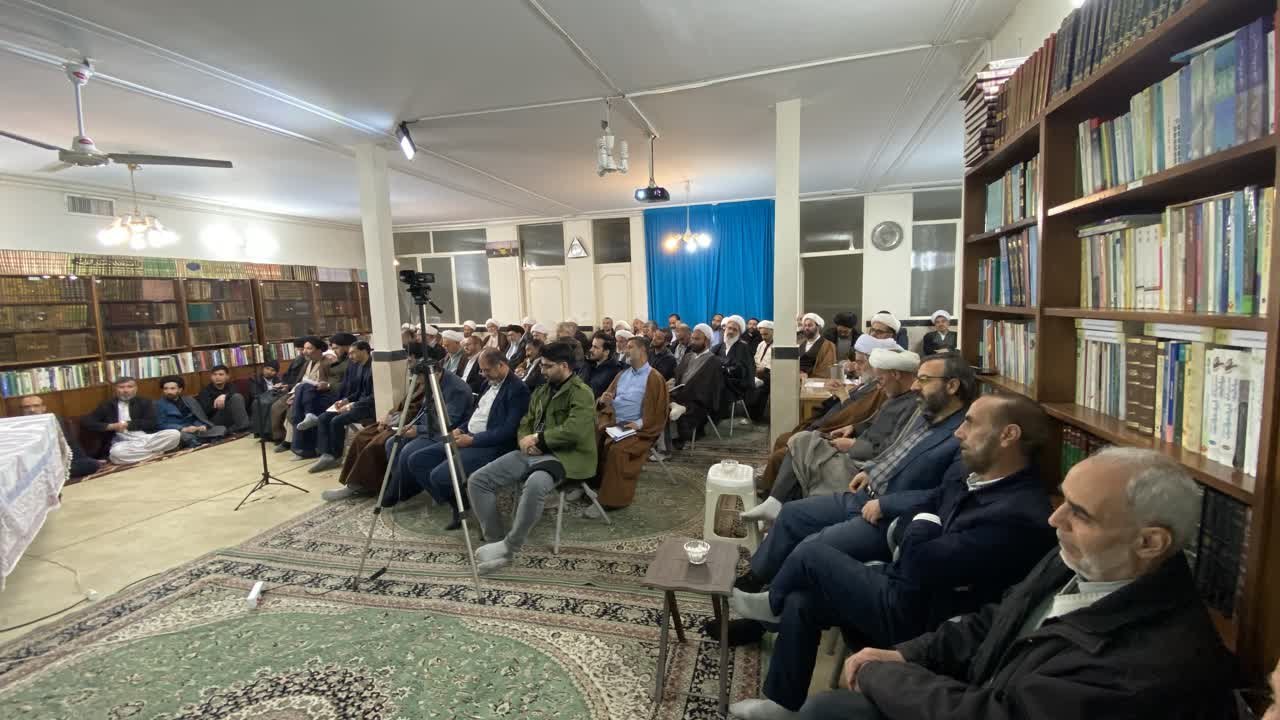
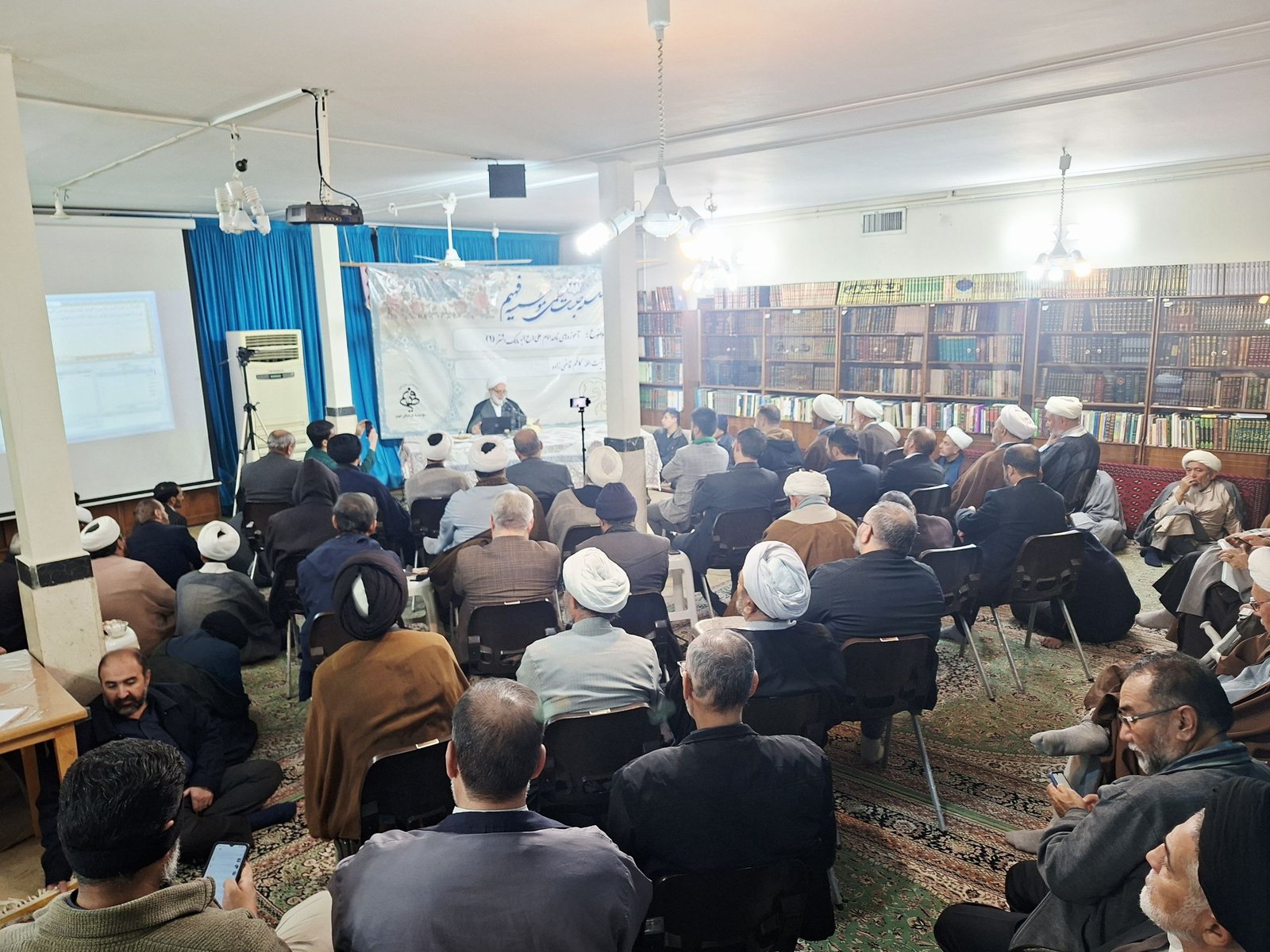
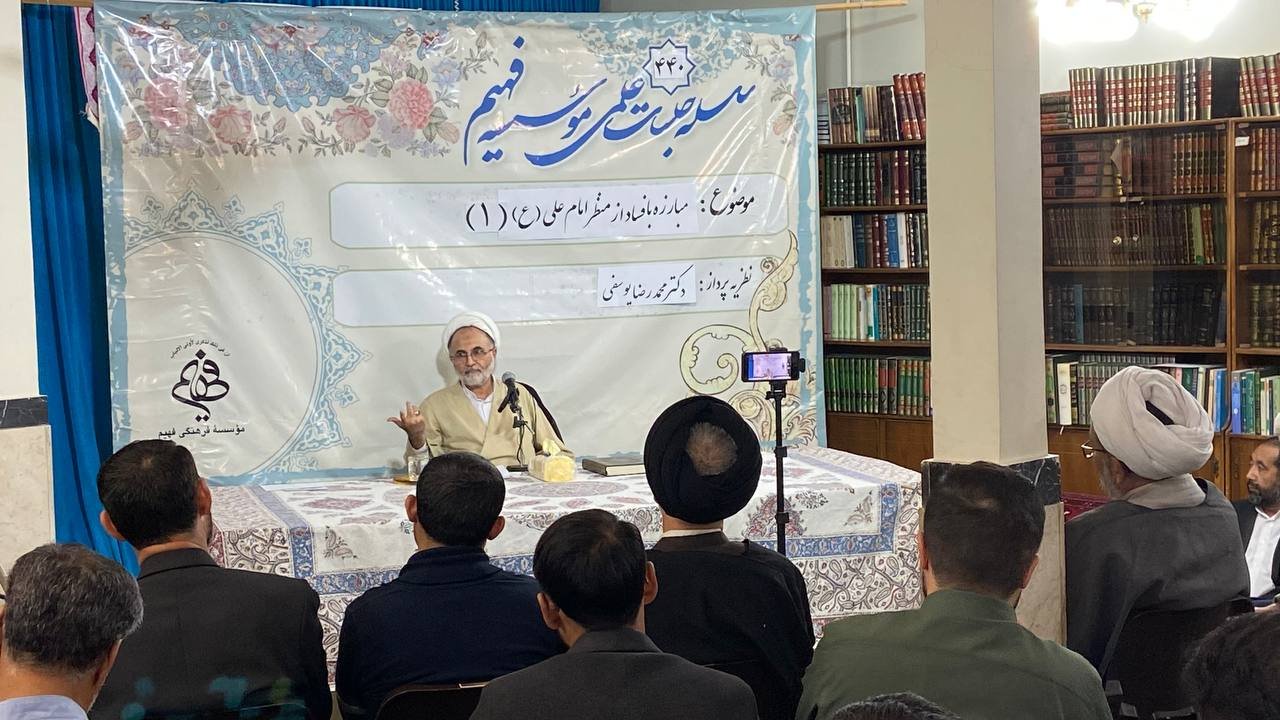
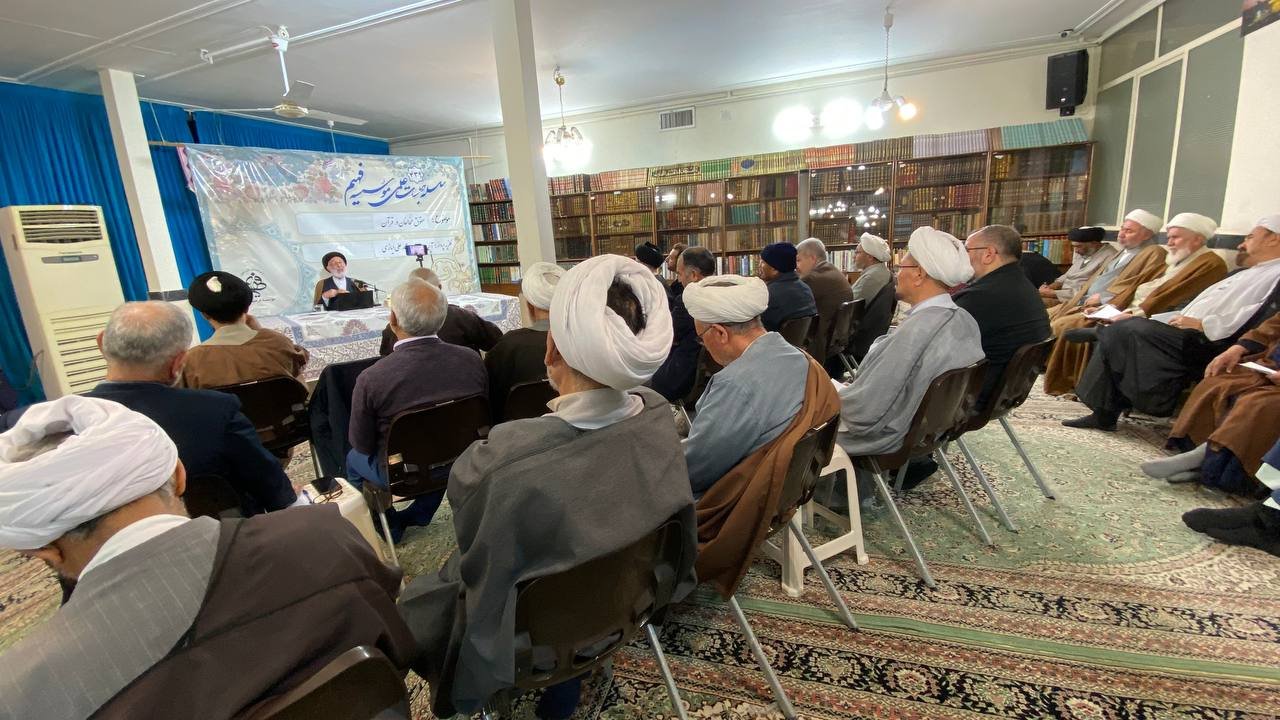
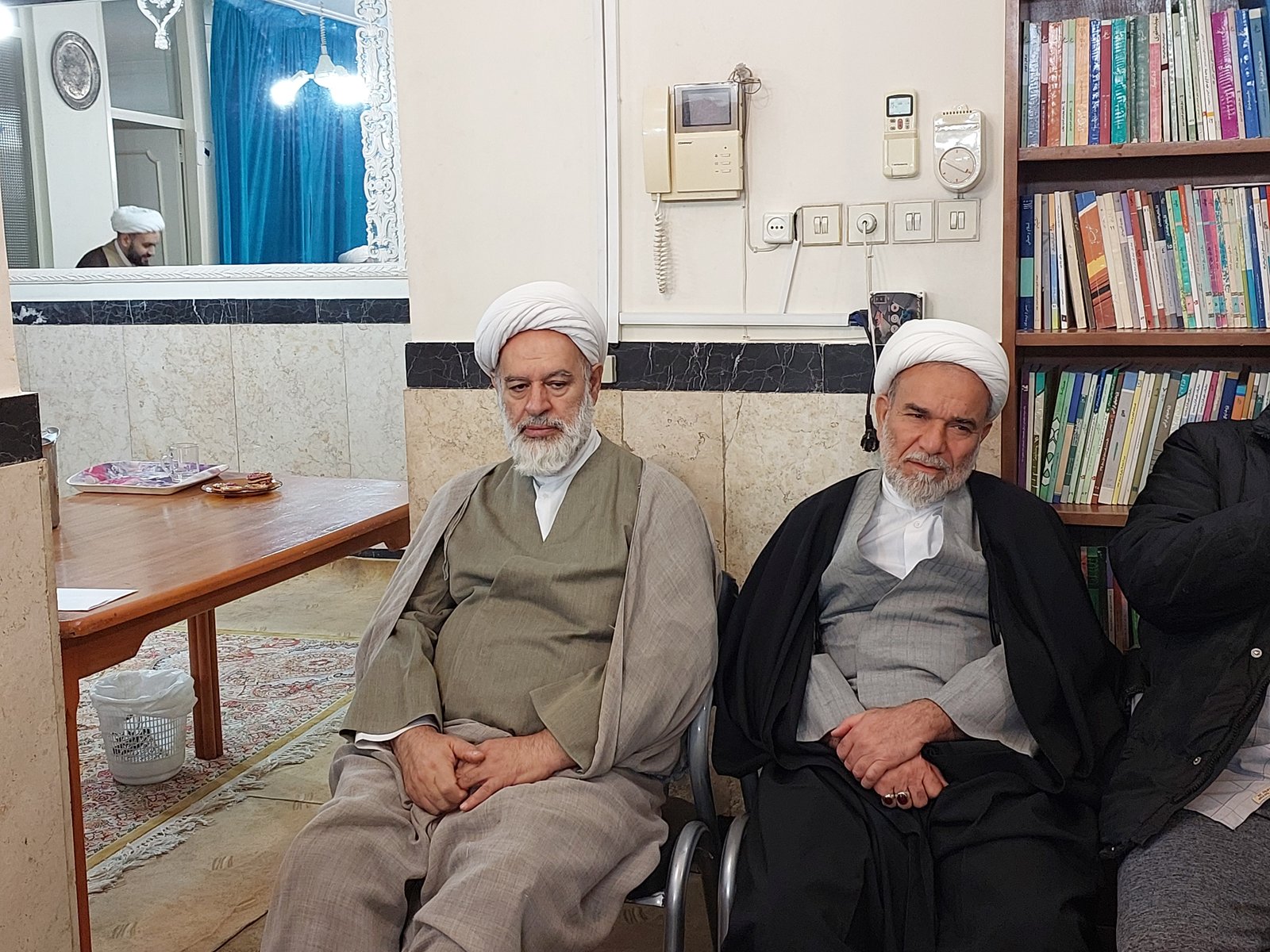
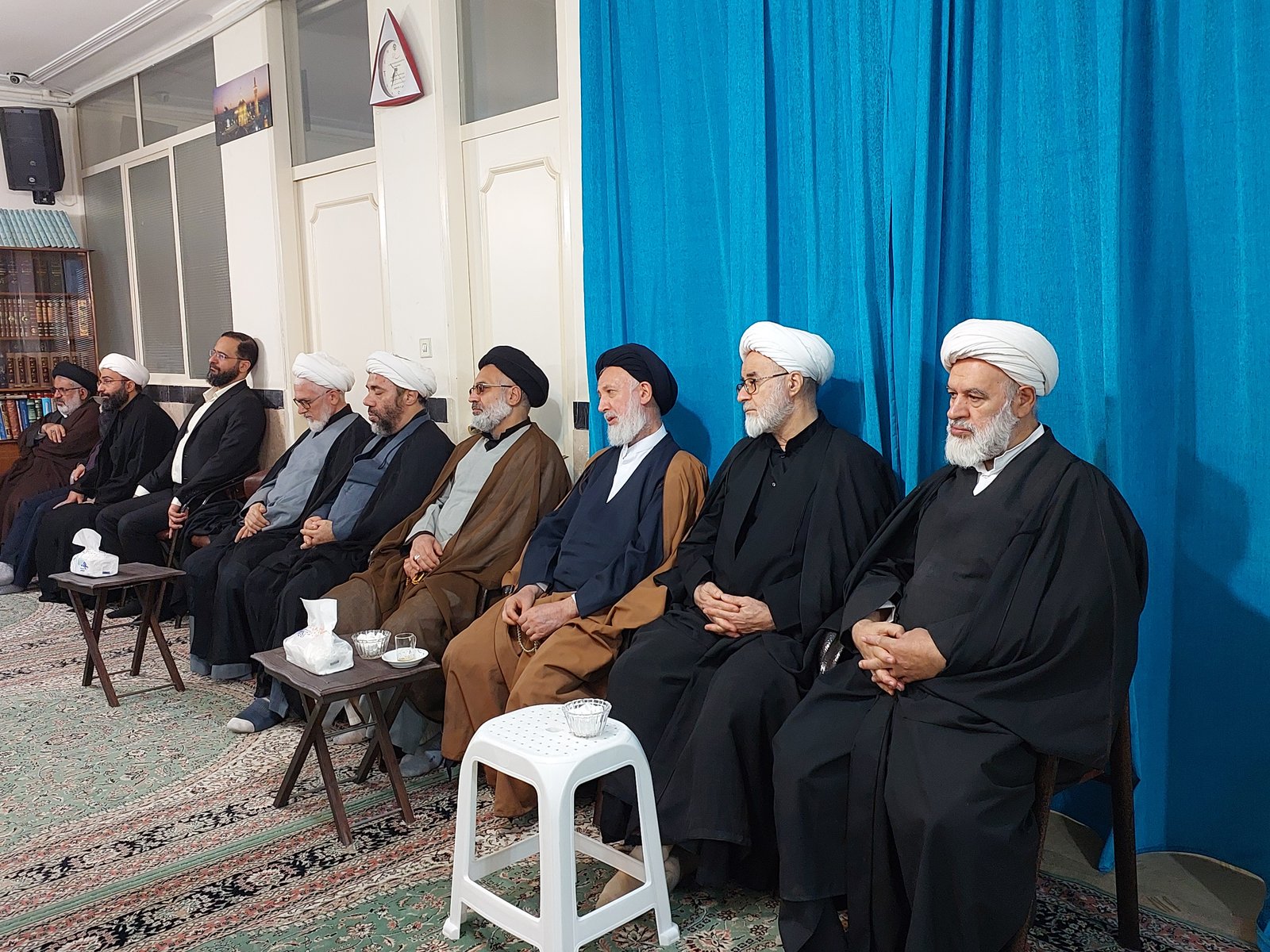
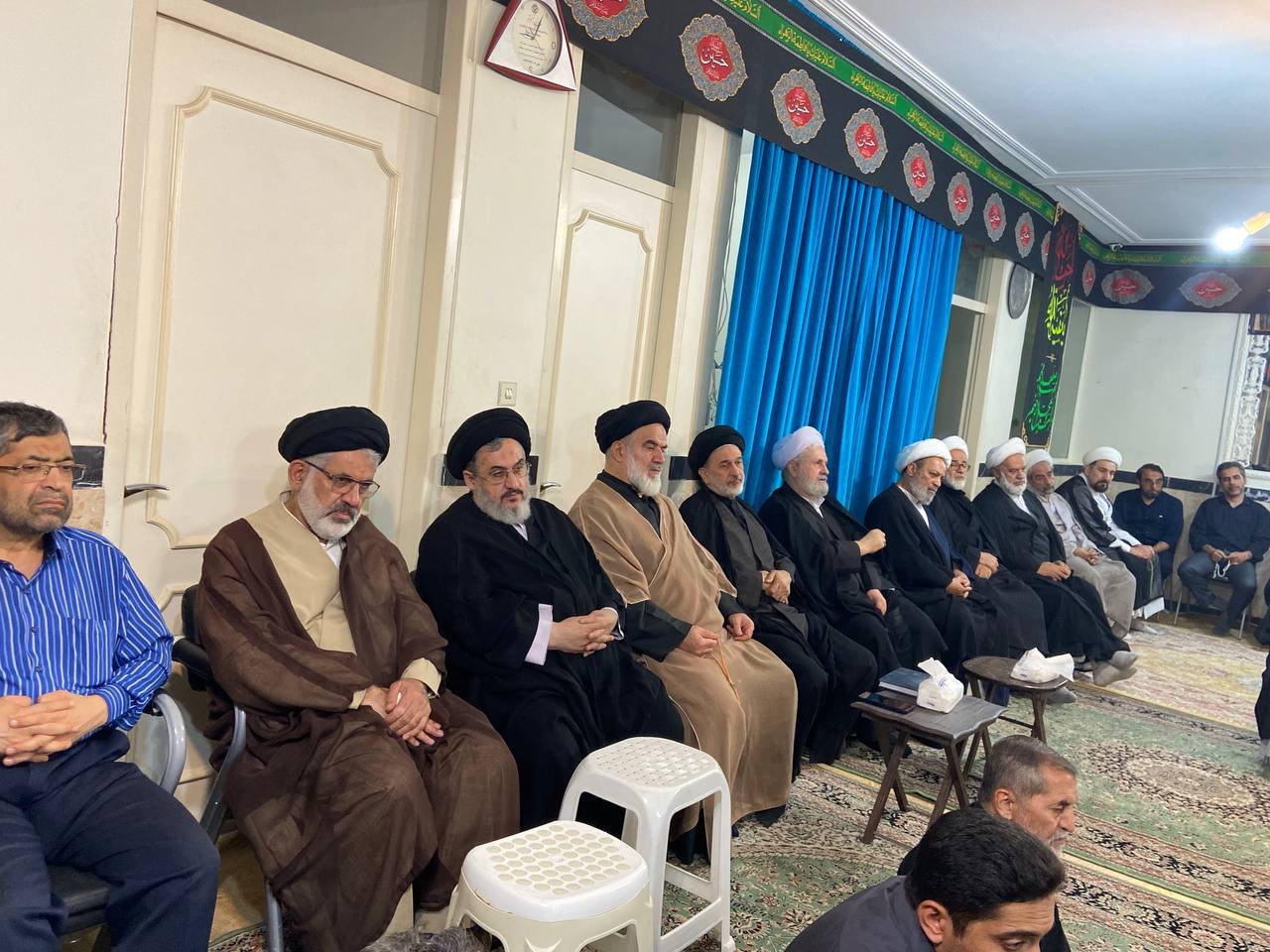
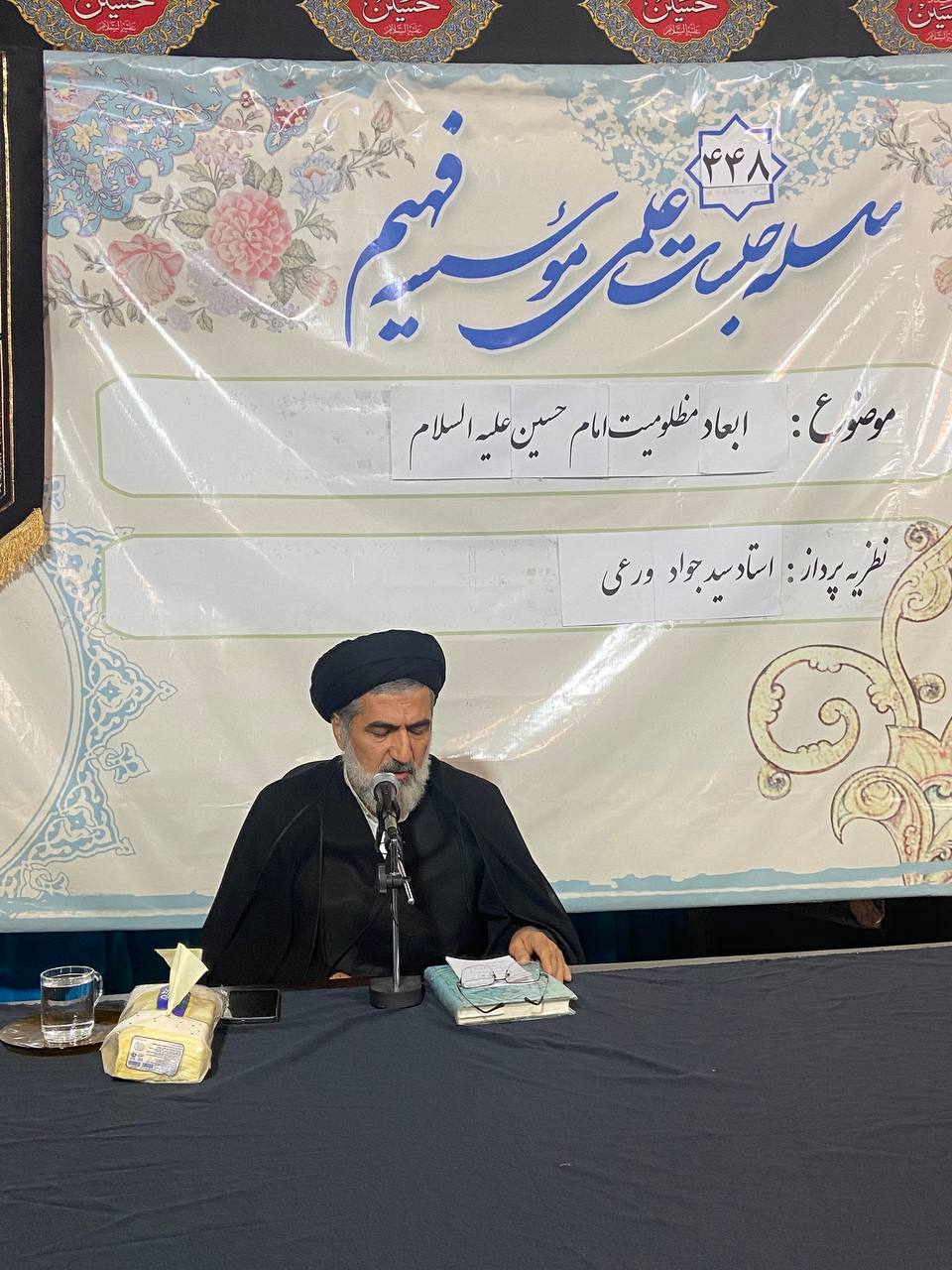
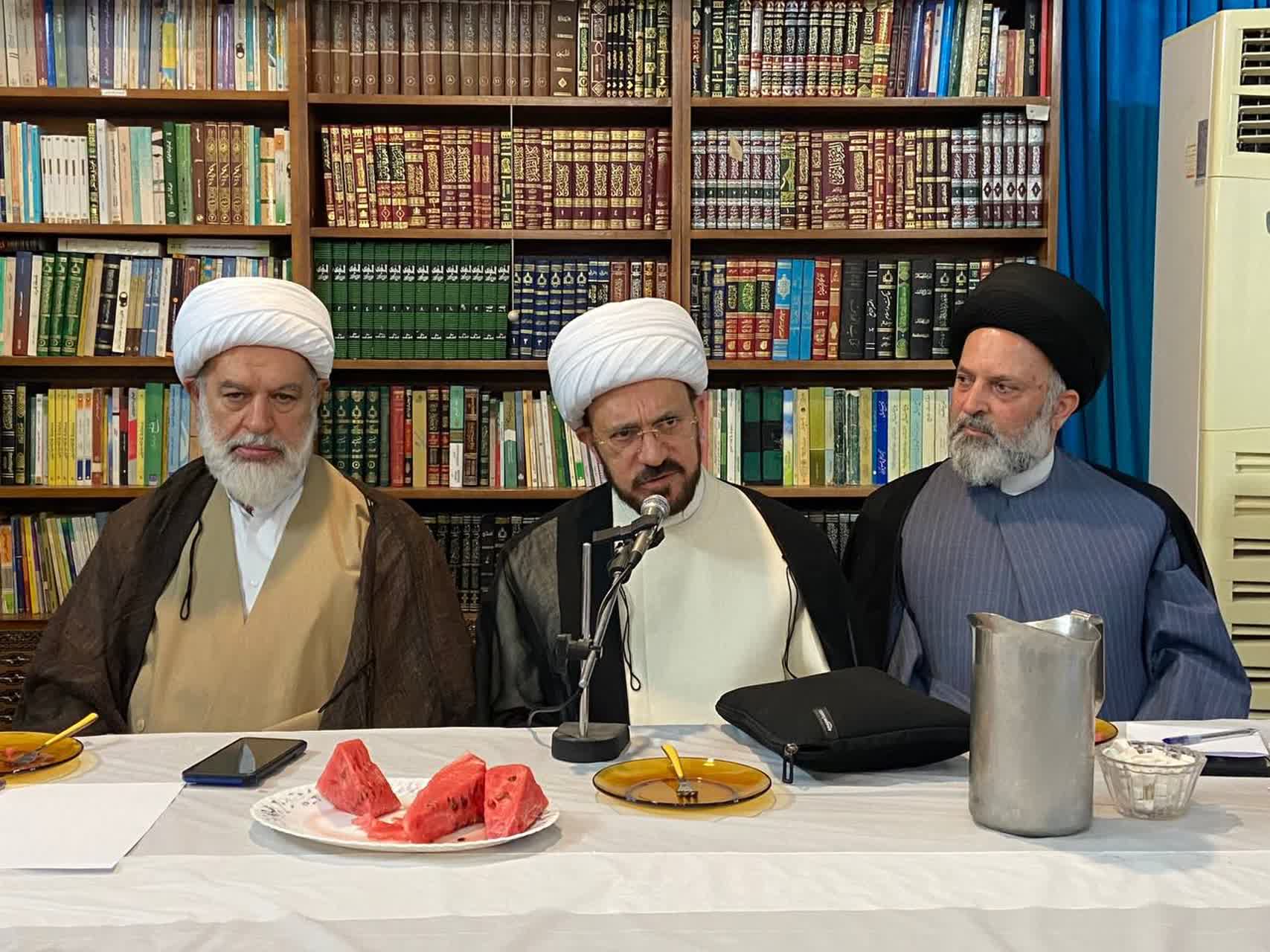
Ayatollah Kazem Ghazizadeh: In its decisions, government must not sacrifice the general public for the sake of the elite. Andisheh-ye Ma – As reported by Andisheh-ye Ma, citing the public relations office of the Fahim Cultural Research Institute, the four hundred and forty-second session in the Fahim Institute's series of sessions, held on the occasion of the month of Ramadan 1447 AH in the Institute's assembly hall in the presence of a large gathering of hawza scholars and of seminary and university professors, featured a lecture by Ayatollah Kazem Ghazizadeh, teacher of the advanced (kharij) course in fiqh and head of the Fahim Institute. Selected excerpts of Professor Ghazizadeh's lecture follow:
«أَعُوذُ بِاللَّهِ مِنَ الشَّيْطَانِ الرَّجِيمِ. بِسْمِ اللَّهِ الرَّحْمَنِ الرَّحِيمِ. الْحَمْدُ لِلَّهِ رَبِّ الْعَالَمِينَ، وَالصَّلَاةُ وَالسَّلَامُ عَلَى سَيِّدِ الْأَنْبِيَاءِ وَالْمُرْسَلِينَ أَبِي الْقَاسِمِ مُحَمَّدٍ. اللَّهُمَّ صَلِّ عَلَى مُحَمَّدٍ وَآلِ مُحَمَّدٍ وَعَلَى آلِهِ الطَّيِّبِينَ الطَّاهِرِينَ.» The topic that you, dear masters and scholars, have set for these days is an examination of "good governance" in the light of the noble Qur'an and Nahj al-Balagha. It has been arranged that each of the professors speaking in this field will address one of the dimensions and topics falling under this concept.
بِسْمِ اللَّهِ الرَّحْمَنِ الرَّحِيمِ. وَصَلَّى اللَّهُ عَلَى مُحَمَّدٍ وَآلِهِ الطَّيِّبِينَ الطَّاهِرِينَ، وَلَعْنَةُ اللَّهِ عَلَى الْقَوْمِ الظَّالِمِينَ. Esteemed professors and scholars, the subject I intend to share with you is "The Qur'anic Foundations of Good Governance, with an Emphasis on the Rights of Opponents from the Perspective of the Qur'an". I have, of course, abridged the discussion somewhat, and the main focus of my remarks will be the weighty question of "the rights of opponents" in good governance; for today, in the world's political literature, one of the principal indicators of good governance is the degree to which the ruling authority is committed to respecting the rights of its opponents.
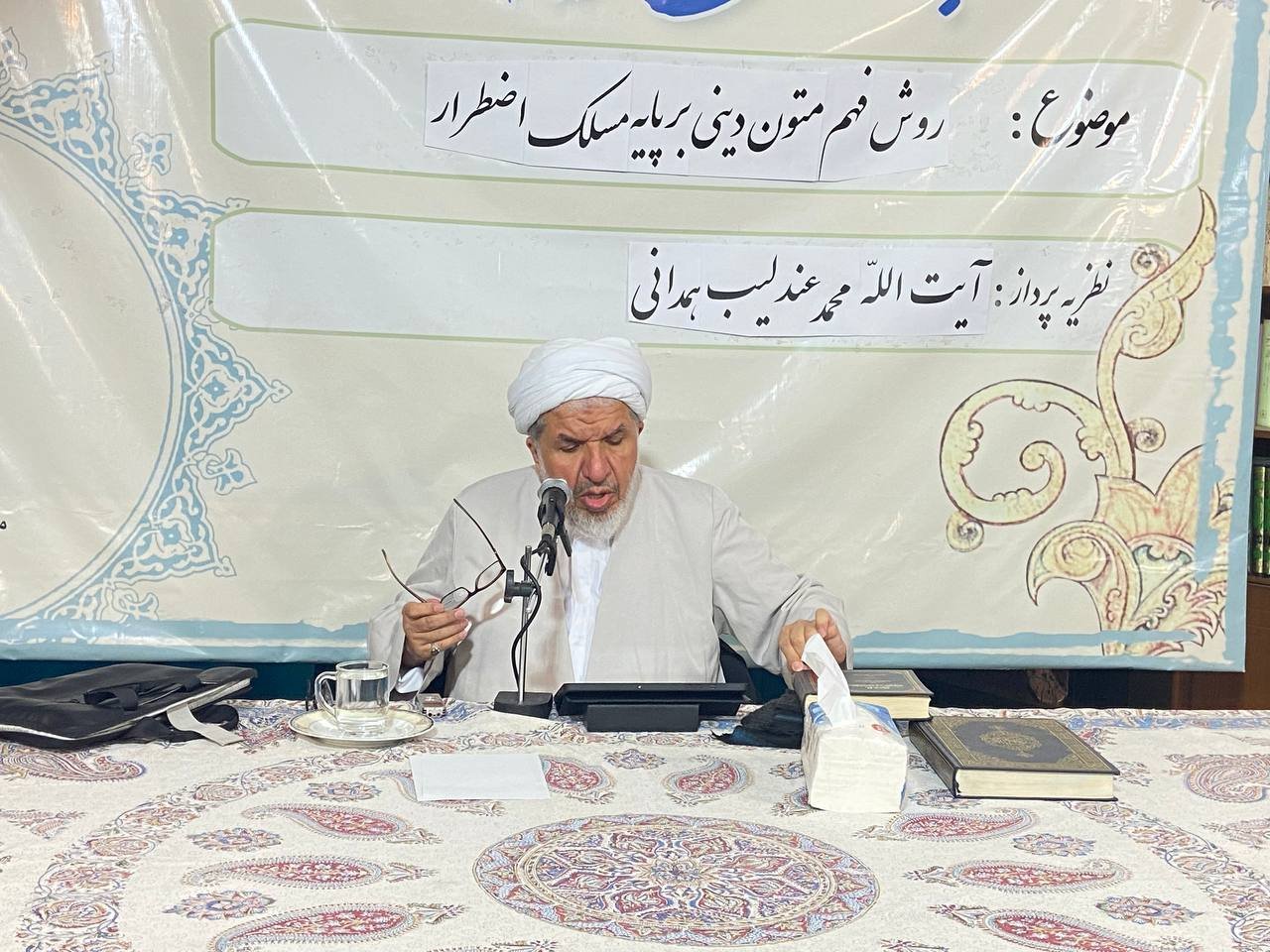
بِسْمِ اللهِ الرَّحْمٰنِ الرَّحِيمِ According to the Public Relations Office of the Fahim Research and Cultural Institute, the four hundred and thirty-eighth session of the Fahim Institute's series of theory-development sessions, entitled "A Method for Understanding Religious Texts Based on the Approach of Necessity (maslak al-idtirar)", was held on Thursday, 18 Dey 1404, in the presence of a group of hawza and university professors and seminary researchers, with a lecture and presentation by Ayatollah Mohammad Andalib Hamadani, one of the distinguished professors of the Qom Seminary. The full text of Professor Andalib's lecture follows:
الْحَمْدُ لِلَّهِ رَبِّ الْعَالَمِینَ وَ صَلَّیاللهُ عَلَی نَبِیِّنَا وَ طَبِیبِ نُفُوسِنَا وَ حَبِیبِ إِلَهِ الْعَالَمِینَ أَبِیالْقَاسِمِ الْمُصْطَفَی مُحَمَّدٍ وَ آلِهِ الطَّیِّبِینَ الطَّاهِرِینَ الْمُقَرَّبِینَ. It is a privilege to be in the presence of you, honoured masters and esteemed professors, for a few brief minutes. It is hoped that what is said in this luminous gathering, convened on the occasion of the blessed and auspicious birth anniversary of the Greatest Truthful One, Lady Fatima al-Zahra (SA), will meet with the pleasure of God Almighty and, God willing, be of benefit to the dear audience. The focus of my talk is the noble verses that were recited; but by way of introduction, I shall present an exegetical point.
Introduction: The Ashura Movement and Social Rules. بسم الله الرحمن الرحیم. الحمدلله رب العالمین, and blessings and peace be upon our master and our prophet, al-Qasim al-Mustafa Muhammad, and his pure and guiding Household.
• Displacement from the Prophet's sanctuary: a figure such as Husayn ibn Ali (AS), the sole remaining memento and son of the Prophet at that time, was unable to remain in the city of his grandfather because he refused to pledge allegiance to the rule of Yazid ibn Mu'awiyah, and was compelled to leave Medina and take refuge in Mecca.
• Insecurity in God's safe sanctuary: even in Mecca, and that during the Hajj season when everyone was heading towards Arafat, the Imam could not remain for fear for his life, and left Mecca bound for Kufa.
The topic we have set for this session of about two hours, in which we shall benefit first from the remarks of Hajj Agha Elahi and then from the views of the other professors, is an examination of “the challenges of religiosity in the contemporary world and the ways out of them.” The reality is that, with the emergence of new arenas in technology, transformations in political relations and the formation of new cultural spaces, both virtual and non-virtual, one of the serious concerns of religious believers is that religiosity has come to face formidable challenges. It is no longer as it was in the past, when a father or mother could be confident that their children would continue along the family’s path of faith. Although in Iran political challenges and certain executive and governmental failures have fuelled the intensification of this trend, the phenomenon is not peculiar to Iran; those who are in Iraq or who live in European and Western countries report the same concern. We therefo
24 October 2026
Conversational search
Hello! Type a topic, a scholar's name or your question and I will find related items in the archive.