


بسم الله الرحمن الرحیم
«اَلحَمدُ للهِ رَبِّ العالَمینَ وَ الصَّلاةُ وَ السَّلامُ عَلی سَیِّدِنا وَ نَبِیِّنا اَبِیالقاسِمِ المُصطَفی مُحَمَّدٍ وَ عَلی آلِهِ الطَّیِّبینَ الطّاهِرینَ الهُداةِ المَهدِیّینَ المُکَرَّمینَ، سِیَّما بَقِیَّةِ اللهِ فِی الأَرَضینَ، الحُجَّةِ بنِ الحَسَنِ العَسکَری، روحی وَ اَرواحُ العالَمینَ لِتُرابِ مَقدَمِهِ الفِداء، وَ لَعنَةُ اللهِ عَلی اَعدائِهِم اَجمَعینَ مِنَ الآنَ اِلی قِیامِ یَومِ الدّین»
«اَللّهُمَّ أَخْرِجْنی مِنْ ظُلُماتِ الْوَهْمِ وَ أَکْرِمْنی بِنُورِ الْفَهْمِ»
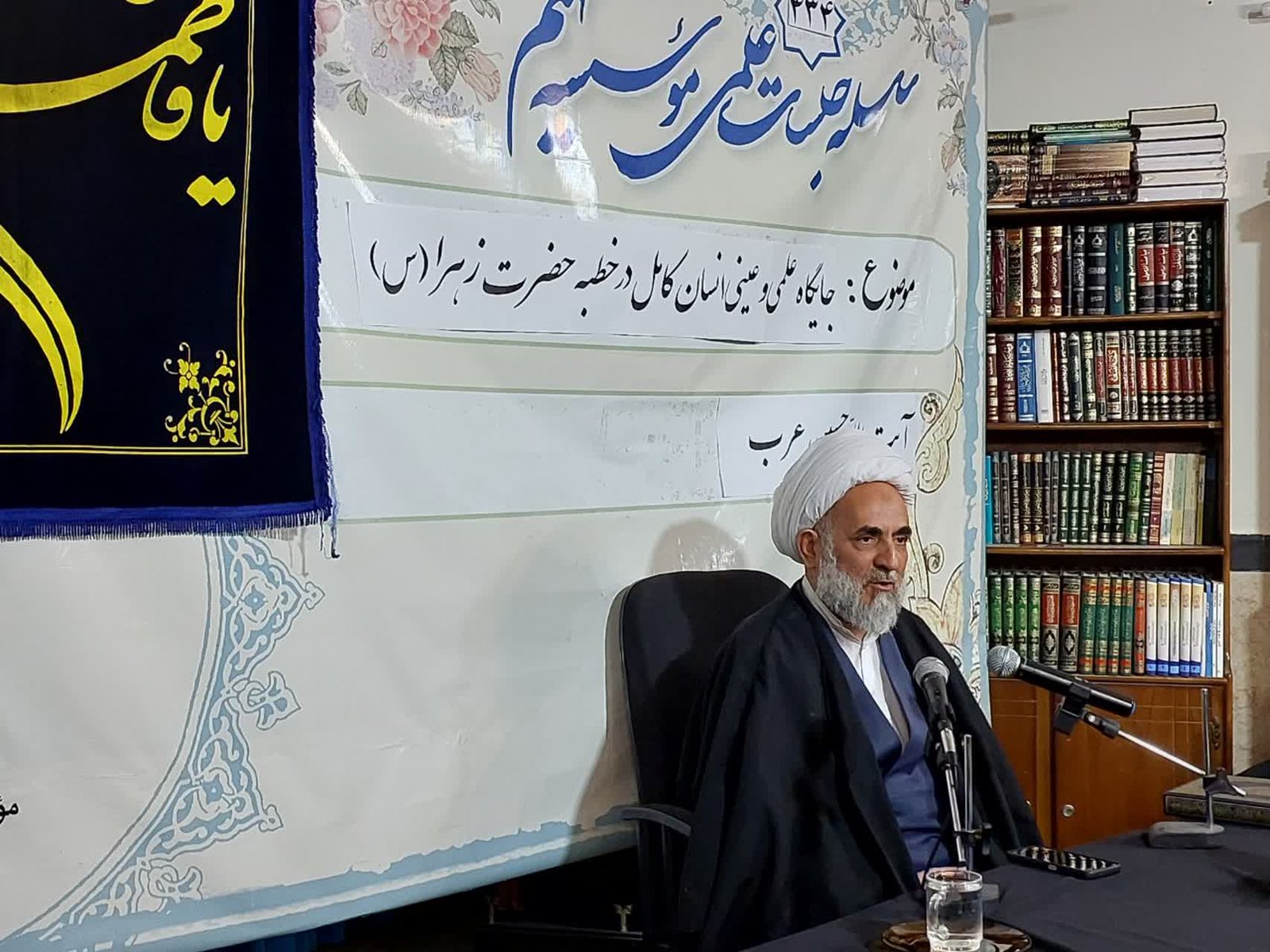
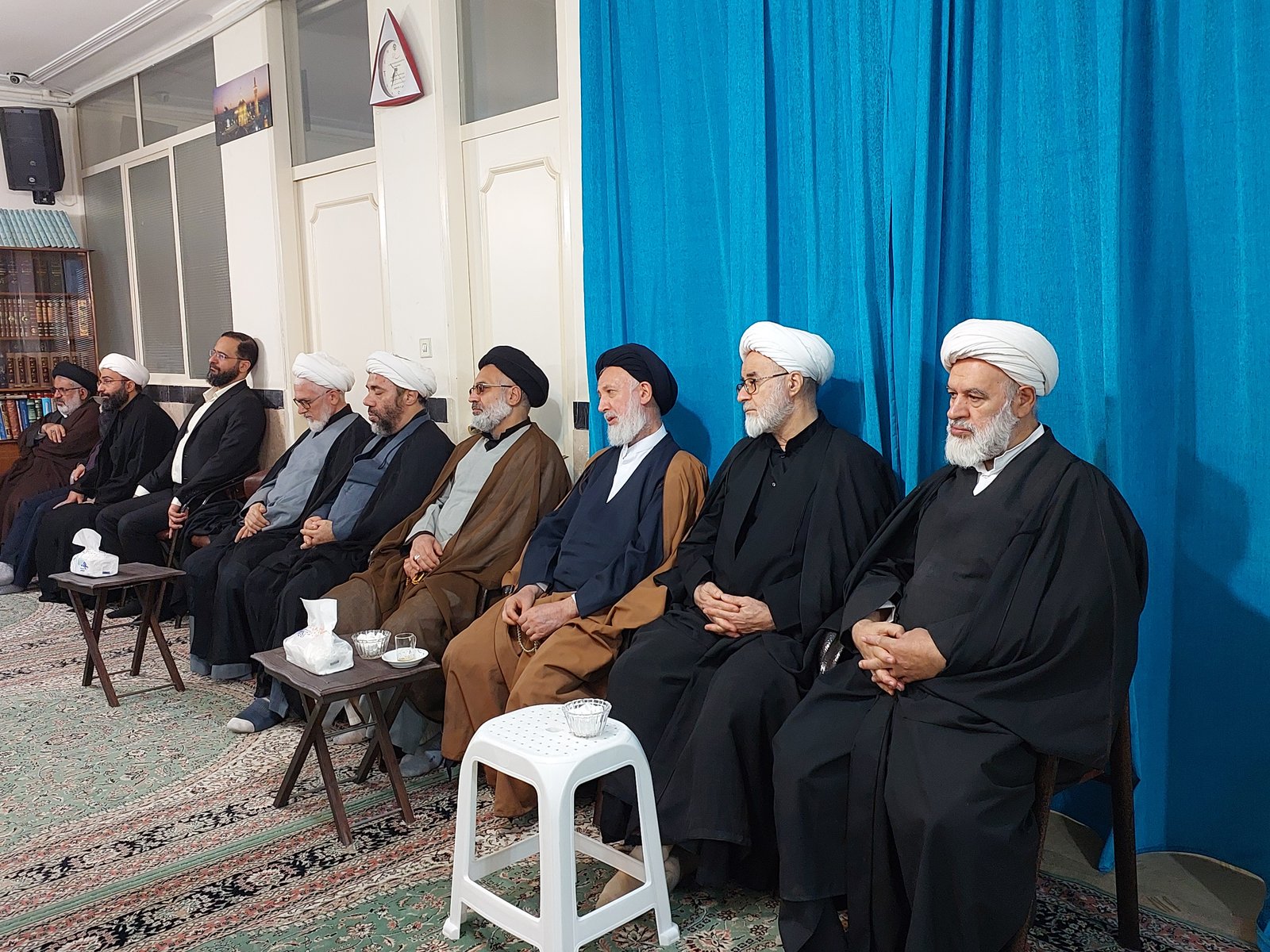
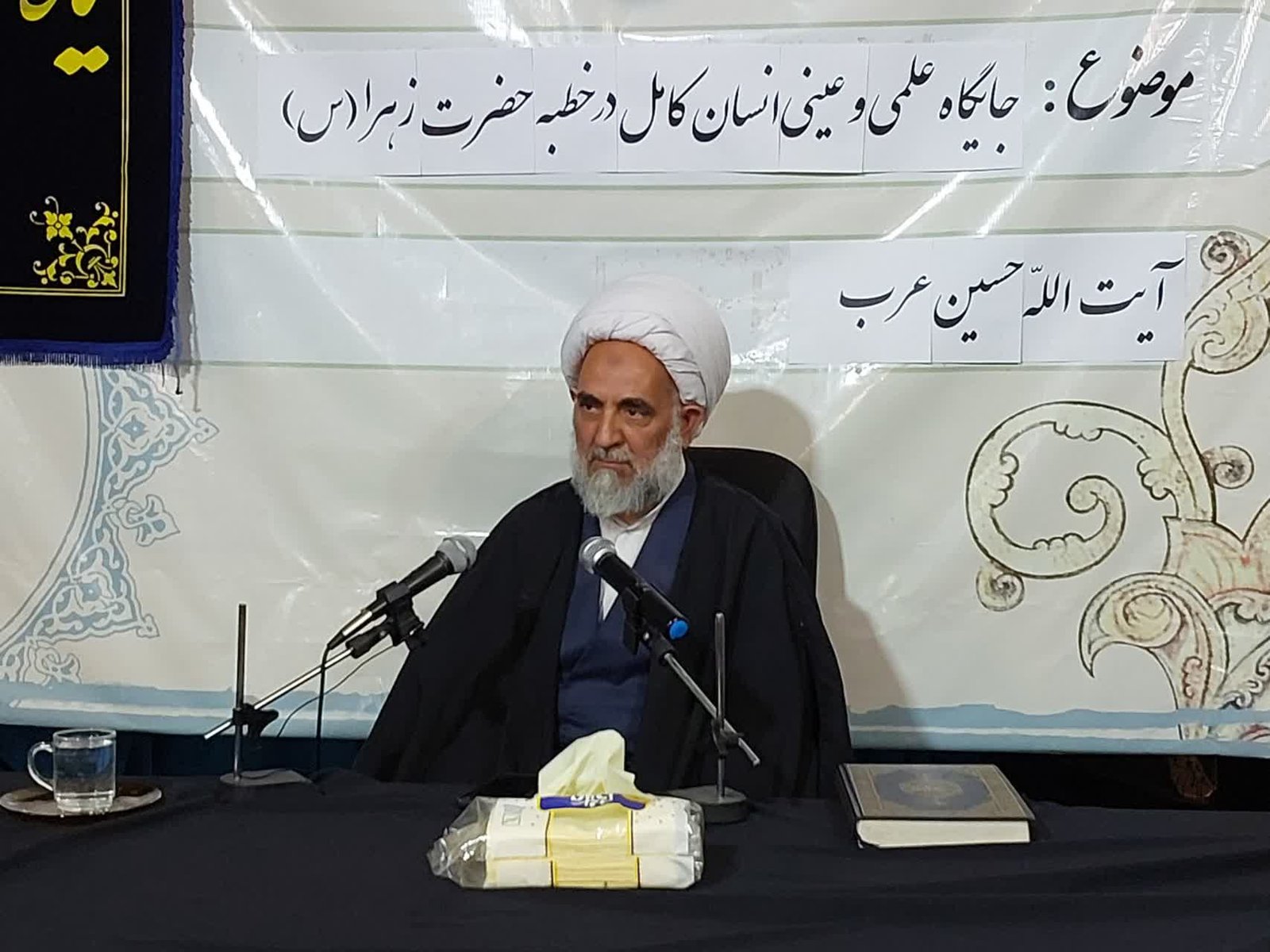
I have been granted the good fortune of being in the presence of the eminent scholars this evening and of taking a few minutes of your precious time. Whenever the noble Qur'an and its luminous verses are discussed, as I mentioned in some previous sessions, one cannot but envy the late Allamah Tabatabai (may God be pleased with him). According to an account given by our esteemed teacher, the late Ayatollah Ansari Shirazi, he quoted a statement of the Allamah from one of the volumes of the noble exegesis al-Mizan (or from his notes), which I too have recorded. Allamah Tabatabai had said: "In four places in the noble Qur'an I was left helpless, and even where I wrote something in al-Mizan, I myself was not satisfied." These four places are: first, the reality of the "seven heavens" (al-samawat al-sab'); second, the question of the "shooting stars" (shuhub); third, the story of the "Samiri" (who says: «قَبَضْتُ قَبْضَةً مِنْ أَثَرِ الرَّسُولِ» [I took a handful from the track of the messenger]); and fourth, the episode of Prophet Solomon, the horses and his son. This statement of the Allamah carries an implied contrary meaning, namely that he had no difficulty with the other places in the Qur'an; even the verses we consider ambiguous (mutashabih) were, for him, clear (muhkam) and resolved. Blessed is he who paused at only four places, whereas I, an insignificant seminary student, after nearly five decades of study, wish that I had properly understood even four places of the Qur'an.
On the scholarly and concrete standing of the "Perfect Human," I offer a brief introduction, so that we may see what benefit can be drawn from the verses of the noble Qur'an within the limited capacity of a seminary student. Here the principle «تُعْرَفُ الْأَشْیاءُ بِأَضْدادِها» (things are known through their opposites) applies; that is, the noble Qur'an introduces the Perfect Human and his opposite in contrast with one another. Through an inductive survey of the verses and narrations, one can say, by way of rational exhaustive division, that the human being is in one of three states: either in a state of "standstill" and stagnation, or in a state of "ascent" and progress, or in a state of "descent" and decline. A narration from Imam al-Sadiq (AS) reported in the noble book Ma'ani al-Akhbar by the late al-Saduq confirms this very meaning: «مَنِ اسْتَوَى يَوْمَاهُ فَهُوَ مَغْبُونٌ وَ مَنْ كَانَ آخِرُ يَوْمَيْهِ خَيْرَهُمَا فَهُوَ مَغْبُوطٌ وَ مَنْ كَانَ آخِرُ يَوْمَيْهِ شَرَّهُمَا فَهُوَ مَلْعُونٌ» (He whose two days are equal is a loser; he whose latter day is the better of the two is envied; and he whose latter day is the worse of the two is accursed). The outcome of these three states is thus clear: one is either a loser (in the state of equality and standstill), or envied (in the state of ascent), or accursed and wretched (in the state of descent).
In the verses of the noble Qur'an, too, these same states are depicted in another way. According to my own inference, six degrees can be conceived for the human being: one degree of standstill, three degrees of descent and two degrees of ascent. The state of standstill is the shared animal life of which the Qur'an says: ﴿مَتَاعًا لَكُمْ وَلِأَنْعَامِكُمْ﴾ (as a provision for you and for your cattle) (al-Nazi'at: 33). In the words of our teacher, the late Imam (RA), the verses of the Qur'an are statements of fact (ikhbar), not performative utterances (insha') or insults; this verse therefore indicates that material enjoyments are shared between you and the animals. If someone halts at this stage, he has neither ascent nor descent. As for the degrees of descent, they are: first, a fall to a level lower than the animal: ﴿أُولَٰئِكَ كَالْأَنْعَامِ بَلْ هُمْ أَضَلُّ﴾ (those are like cattle; nay, they are even more astray) (al-A'raf: 179). Second, a fall to a level lower than stone: ﴿ثُمَّ قَسَتْ قُلُوبُكُمْ مِنْ بَعْدِ ذَٰلِكَ فَهِيَ كَالْحِجَارَةِ أَوْ أَشَدُّ قَسْوَةً﴾ (then your hearts hardened after that, so they are like stones or even harder) (al-Baqara: 74). The Qur'an goes on to say that water gushes forth from some stones, whereas no good whatsoever issues from the hearts of these people. And third, which is the final stage of descent, the human being's transformation into the firewood and kindling stones of Hell: ﴿وَقُودُهَا النَّاسُ وَالْحِجَارَةُ﴾ (whose fuel is people and stones) (al-Baqara: 24). The human being who had the capacity to ascend to the highest of the high ('illiyyin) now, alongside idols and false objects of worship, forms the fuel of Hell.
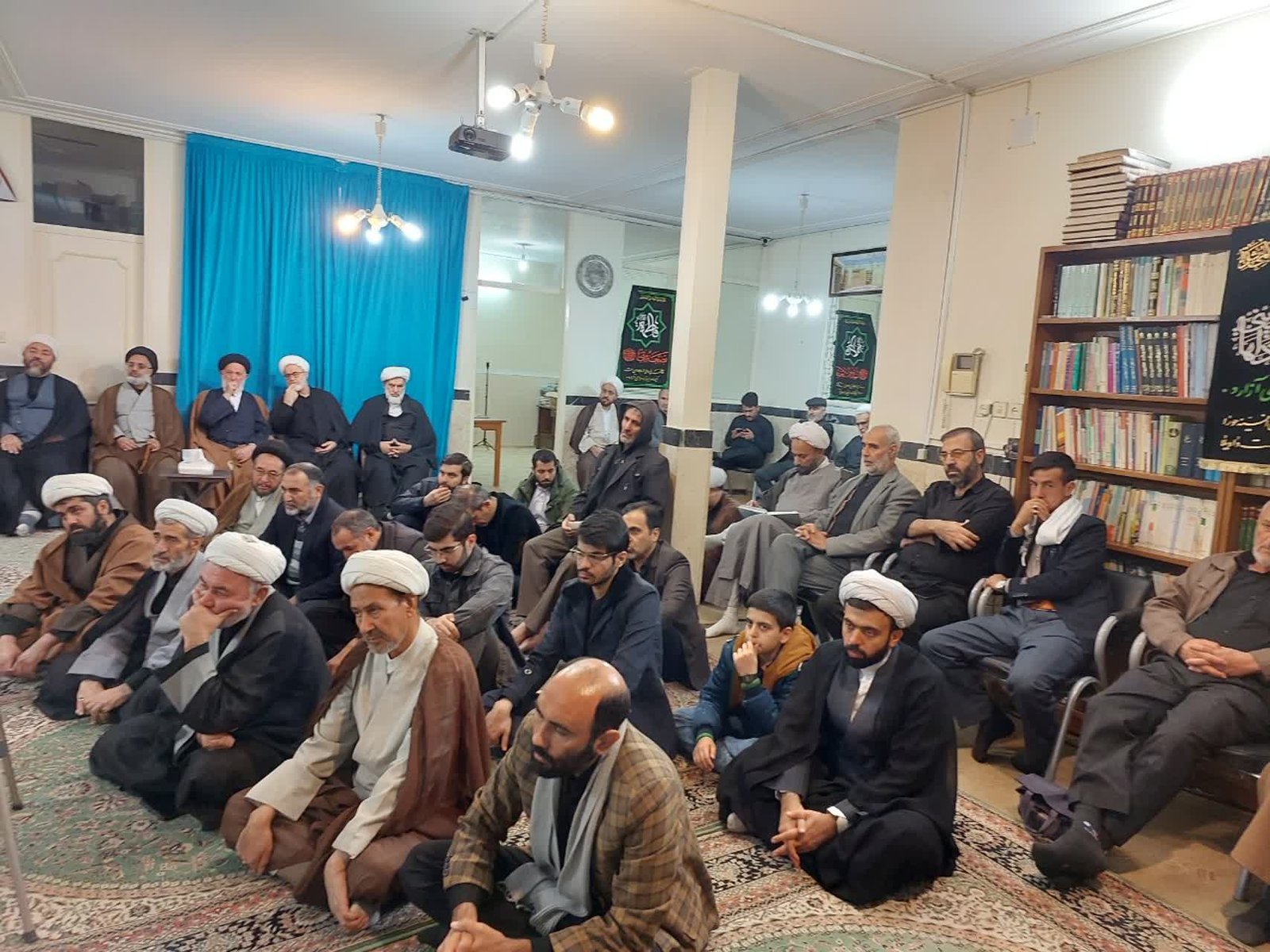
In contrast, two degrees of ascent can be conceived for the human being. The peak of this ascent is companionship with the angels, and indeed a rank above them, in the station of bearing witness to the oneness of the Almighty: ﴿شَهِدَ اللَّهُ أَنَّهُ لَا إِلَٰهَ إِلَّا هُوَ وَالْمَلَائِكَةُ وَأُولُو الْعِلْمِ قَائِمًا بِالْقِسْطِ﴾ (God bears witness that there is no god but He, and so do the angels and those possessed of knowledge, upholding justice) (Al 'Imran: 18). This testimony is not merely a verbal testimony. As the philosophers and Sadr al-Muta'allihin have explained in the Argument of the Righteous (burhan al-siddiqin), "pure Being" itself bears witness to its own oneness. God does not say, "O people, know that I am One"; rather, He says, "God Himself bears witness." The analysis of Being as such leads us directly to the Necessary Being, for in analysing the reality of existence there is no room for quiddity, contingency or causal dependence. Beings are either necessary, impossible or contingent. If necessary, it is beyond need; if contingent, it is in need of a cause. This noble verse shows that "those possessed of knowledge" stand alongside God and the angels (who are pure intellect) and bear witness to the oneness of the Truth; a station that is the summit of the human being's flight.
The discussion of the "Perfect Human" begins with verse 30 of the blessed Surat al-Baqara: ﴿وَإِذْ قَالَ رَبُّكَ لِلْمَلَائِكَةِ إِنِّي جَاعِلٌ فِي الْأَرْضِ خَلِيفَةً قَالُوا أَتَجْعَلُ فِيهَا مَنْ يُفْسِدُ فِيهَا وَيَسْفِكُ الدِّمَاءَ وَنَحْنُ نُسَبِّحُ بِحَمْدِكَ وَنُقَدِّسُ لَكَ قَالَ إِنِّي أَعْلَمُ مَا لَا تَعْلَمُونَ﴾ (And when your Lord said to the angels, "I am placing a vicegerent on the earth," they said, "Will You place therein one who will cause corruption therein and shed blood, while we glorify You with praise and sanctify You?" He said, "Indeed, I know what you do not know"). The angels raised two objections or points of uncertainty: first, pointing to the past record of earthly creatures (such as the nasnas, who were corrupt and bloodthirsty), they asked about the rationale for creating a similar being. Second, they raised a seminarian's objection of "obtaining what is already obtained" (tahsil al-hasil); that is, if the purpose of creation is glorification and sanctification, we angels, who are pure intellect, perform this duty in the most complete manner. God's reply, «إِنِّي أَعْلَمُ مَا لَا تَعْلَمُونَ» (Indeed, I know what you do not know), refers to the reality that the earthly human being is to fill a void in the realm of existence that even the angels, with all their perfections, are unable to fill. The angels are manifestations of God's names of transcendence and sanctity (such as Subbuh and Quddus), whereas the Perfect Human is the complete manifestation of all of God's Most Beautiful Names, whether of beauty or of majesty. The capacity for complete manifestation that exists in the human being does not exist in the angels; God's reply, in brief, was therefore that what you do is only part of the reality, not the whole of it.
The late Hajj Agha Murtaza Haeri (RA) drew a subtle point from this verse: if the earth were empty of the "Perfect Human" even for a single instant, the angels' objection against God would be valid; for apart from the Perfect Human (the Infallibles, peace be upon them), all other human beings are always exposed to error, corruption and the shedding of blood. Only the Perfect Human fulfils the rationale of divine vicegerency. This meaning is also crystallised in the Fadakiyya Sermon of the Truthful and Pure Lady (SA). She says: «اِعْلَمُوا أَنِّي فَاطِمَةُ وَ أَبِي مُحَمَّدٌ (صَلَّی اللهُ عَلَیهِ وَ آلِهِ) أَقُولُ عَوْداً وَ بَدْءاً وَ لَا أَقُولُ مَا أَقُولُ غَلَطاً وَ لَا أَفْعَلُ مَا أَفْعَلُ شَطَطاً» (Know that I am Fatima and my father is Muhammad (PBUH); I say it again and again, and I do not say what I say in error, nor do I do what I do in excess). In Medina, among a gathering that knew her perfectly well, she introduces herself. This introduction is not to establish her lineage but to establish her existential standing and infallibility, just as a marja' might say in his own city, "I am so-and-so," in order to give effect to his ruling.
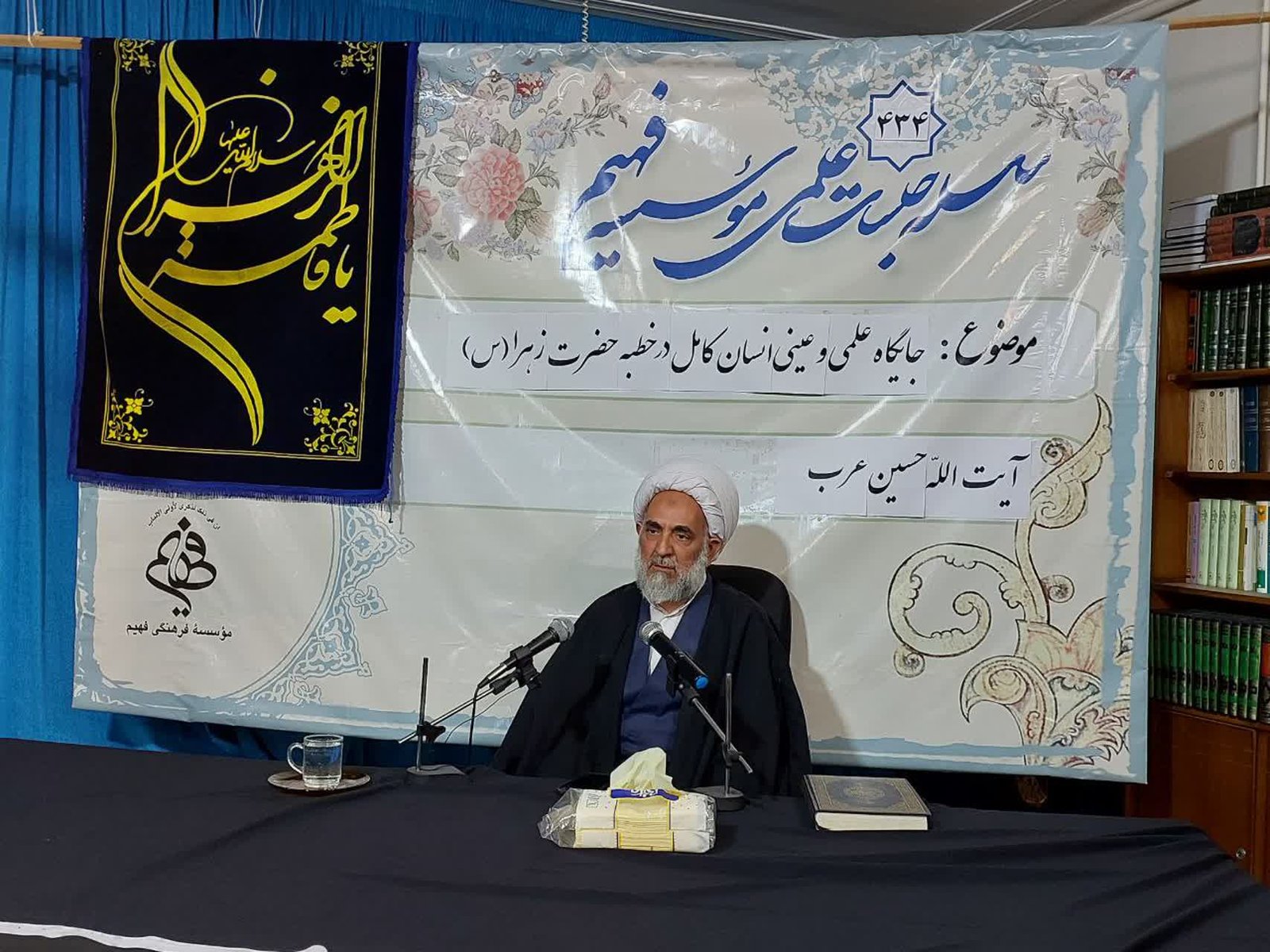
With these words, Lady Fatima al-Zahra (SA) makes a claim that no great philosopher, jurist or mystic throughout history has dared to utter: "What I say is immune from any error (ghalat), and what I do is free from any excess and deviation (shatat)." Neither al-Farabi, nor Avicenna, nor Khwaja Nasir, nor Mulla Sadra could make such a claim. This is the standard of the "Perfect Human." The claim to absolute infallibility befits only the Infallible. Hence, terms such as "derivative infallibility" ('isma zilliyya), if they mean that the possibility of error still exists (since the conclusion follows the weaker of the premises), are in fact not infallibility but a kind of justice ('adala) at its higher degrees. Infallibility means the impossibility of error and sin occurring, and this is a station that Lady al-Zahra (SA) explicitly declares and that the Noble Prophet (PBUH) also endorsed with the words «إِنَّ اللَّهَ يَغْضَبُ لِغَضَبِ فَاطِمَةَ وَ يَرْضَى لِرِضَاهَا» (Indeed, God is angered by Fatima's anger and pleased by her pleasure). This absolute guarantee from God belongs only to one whose existence is bound to the Absolute Truth, not to a jurist who may err in a fatwa and later retract it.
Among the other teachings of the Fadakiyya Sermon is its depiction of the model society of the Prophet and of Ali. Lady al-Zahra (SA) taught us that Islamic society is an "analytical" and "inquiring" society, not a "submissive" and adulatory society of the kind desired by the Umayyad order. In the Fatimid logic, power must be accountable, and there is no forbidden zone for questioning. If the spirit of inquiry is taken away from society, any superstition can be imposed on the people in the name of religion; just as we have seen in history that Mu'awiya ordered a gourd to be ritually slaughtered, or that the Friday prayer be held on a Wednesday, and society accepted it! Lady al-Zahra (SA), however, confronted deviation with logical, Qur'anic and legal arguments.
In the affair of Fadak, she presented sound juristic arguments. When Abu Bakr demanded "evidence" (bayyina, i.e. witnesses) from her, this demand was contrary to established juristic rules. The rule «البیّنهُ عَلَی المُدَّعی وَ الیَمینُ عَلَی مَن أَنکَرَ» (the burden of proof lies on the claimant, and the oath on the one who denies) is an accepted principle. Lady al-Zahra (SA) was the "possessor" (dhu al-yad, the one in actual control) and Fadak was in her hands; thus, demanding a witness from one in whose hands the property lies indicates either ignorance of the most elementary rulings or intense hostility. Citing the verses of the Qur'an on the inheritance of the prophets (such as Solomon's inheritance from David), she invalidated the caliph's ijtihad against an explicit text and showed that this conduct was a return to the Age of Ignorance: ﴿أَفَحُكْمَ الْجَاهِلِيَّةِ يَبْغُونَ﴾ (Is it then the judgement of the Age of Ignorance that they seek?) (al-Ma'ida: 50).
Defence of the oppressed is another pillar of the Fatimid way of life. In the surahs revealed earliest (such as al-Takwir and al-Buruj), the noble Qur'an defends, in the strongest tone, the trampled rights of human beings, even of the girls buried alive in the Age of Ignorance: ﴿وَإِذَا الْمَوْءُودَةُ سُئِلَتْ * بِأَيِّ ذَنْبٍ قُتِلَتْ﴾ (And when the girl buried alive is asked, for what sin she was killed) (al-Takwir: 8–9). One might perhaps suggest (as a seminarian's reading) that God attends to the grievances of these oppressed ones before dealing with the other cases. Wherever there is cursing and imprecation in the Qur'an, the violation of the right of God or the right of the people is at stake.
The deviation that occurred after the passing of the Prophet (PBUH) was the product of four factors: "substitution," "suspension," "distortion" and "concealment." First, the substitution of Ghadir with Saqifa; a Saqifa that was not an election but a premeditated coup. While preserving unity with our Sunni brothers, we stand firm on our own foundations. The claim of consensus (ijma') at the Saqifa lacks any scholarly basis, and, as Shaykh Ansari stated in al-Rasa'il, there is no basis for it. Second, the suspension of the Sunna of the Prophet and the setting aside of the scholarly leadership of the Ahl al-Bayt (AS). In Nahj al-Balagha, the Commander of the Faithful (AS) regards the value of rulership as less than that of a patched sandal, unless he establishes a right or repels a falsehood: «وَاللَّهِ لَهِيَ أَحَبُّ إِلَيَّ مِنْ إِمْرَتِكُمْ إِلَّا أَنْ أُقِيمَ حَقّاً أَوْ أَدْفَعَ بَاطِلًا» (By God, it is dearer to me than ruling over you, unless I establish a right or repel a falsehood). Third, the distortion of religious concepts, which was intensified by the Umayyad current. And fourth, the concealment of truths. The scholars of the People of the Book knew the Prophet (PBUH) as they knew their own sons: ﴿الَّذِينَ آتَيْنَاهُمُ الْكِتَابَ يَعْرِفُونَهُ كَمَا يَعْرِفُونَ أَبْنَاءَهُمْ﴾ (Those to whom We gave the Scripture know him as they know their own sons) (al-Baqara: 146), yet they concealed the truth. The same concealment also took place regarding the wilayah of the Commander of the Faithful (AS); those who knew full well that the torrent of knowledge poured down from the mountain of his being («يَنْحَدِرُ عَنِّي السَّيْلُ وَ لَا يَرْقَى إِلَيَّ الطَّيْرُ» – the flood flows down from me, and the bird cannot soar up to me) diverted the course of history through their concealment.
والسلام علیکم و رحمة الله و برکاته.
Comments
No comments yet. Be the first.
Write a note, critique or commentShare your view with us and other readers without leaving this page.