


بسم الله الرّحمن الرّحیم
الْحَمْدُ لِلَّهِ رَبِّ الْعَالَمِینَ وَ صَلَّی اللهُ عَلَی سَیِّدِنَا وَ نَبِیِّنَا مُحَمَّدٍ وَ آلِهِ أَجْمَعِینَ.
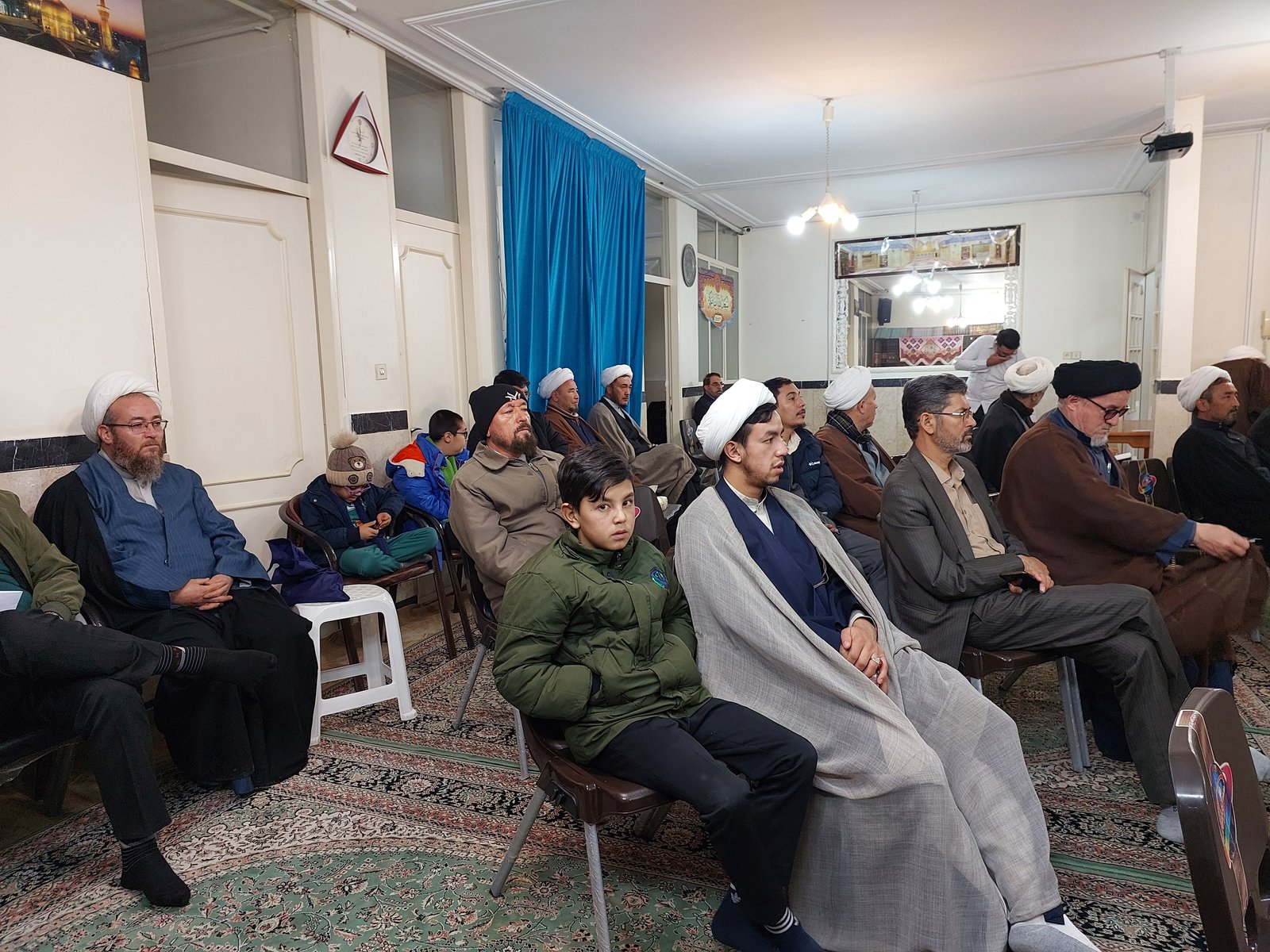
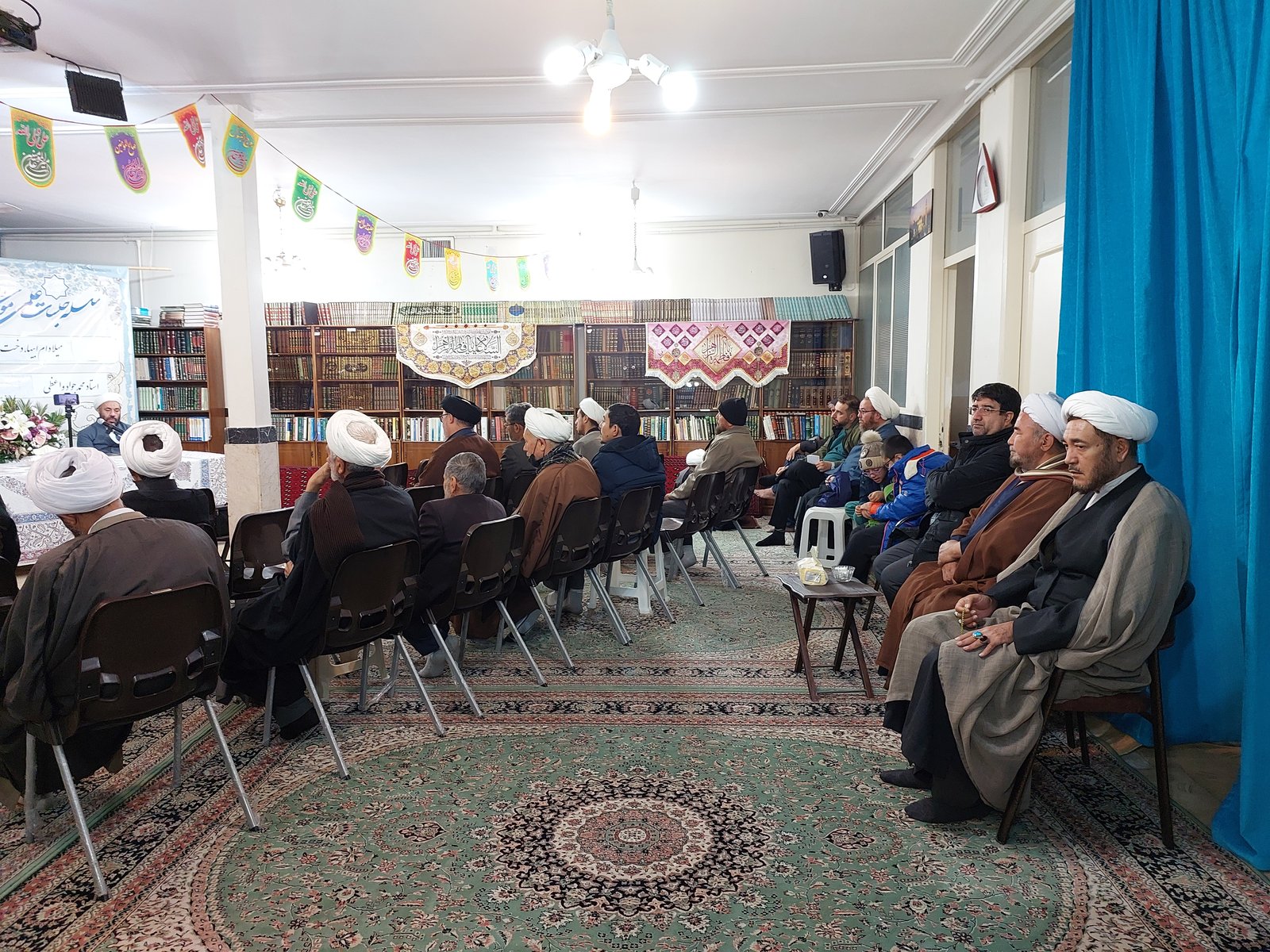
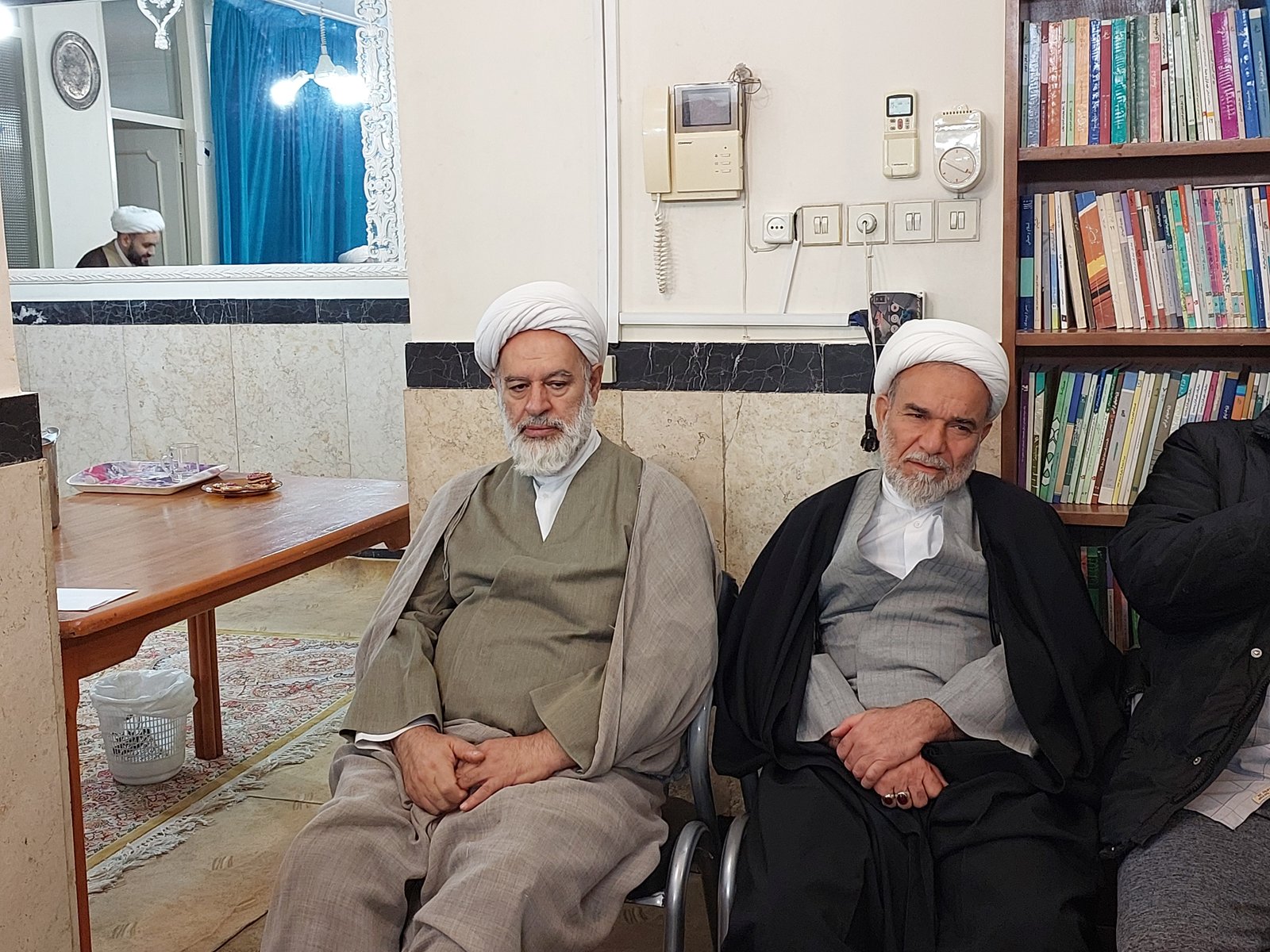
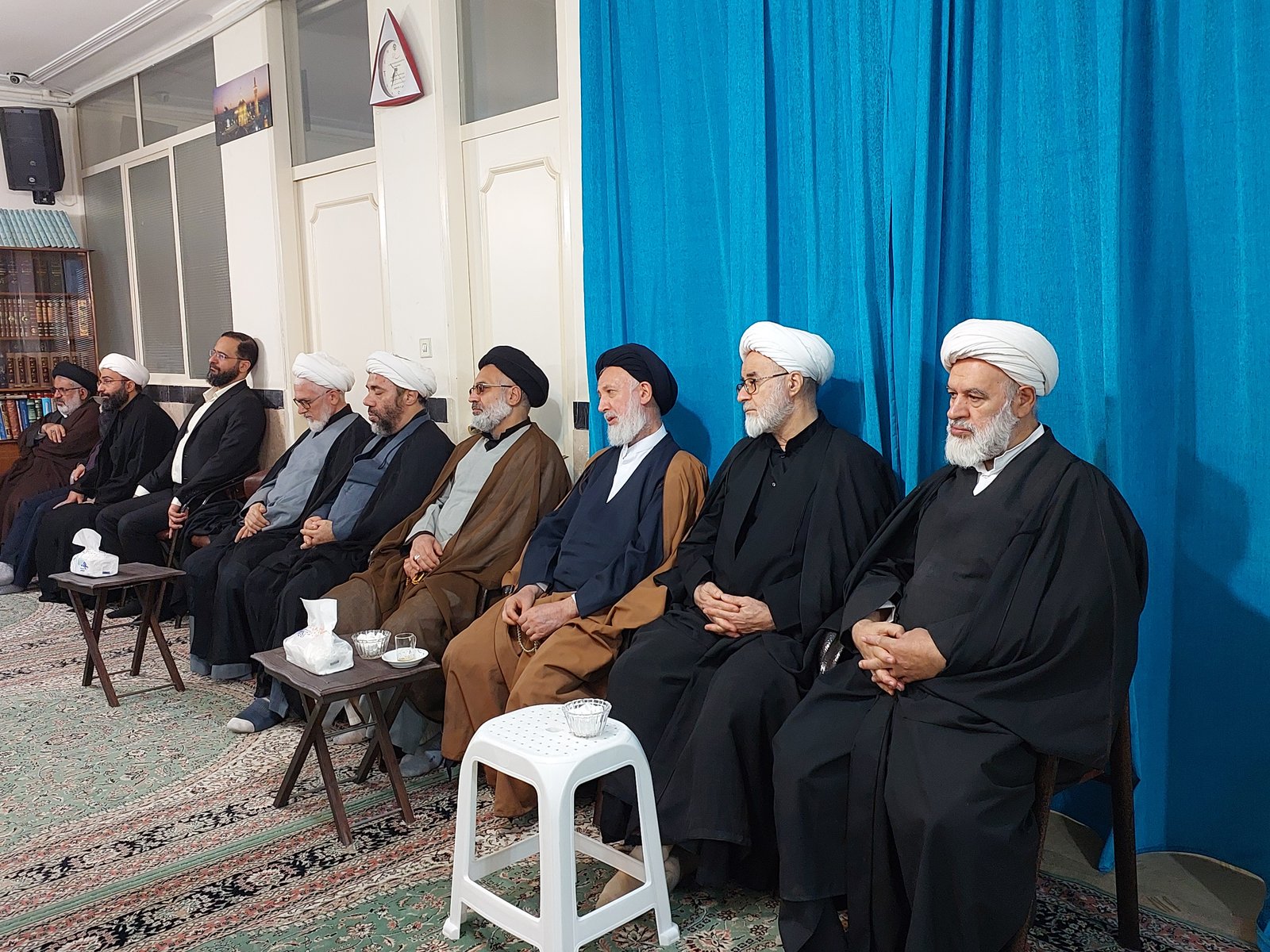
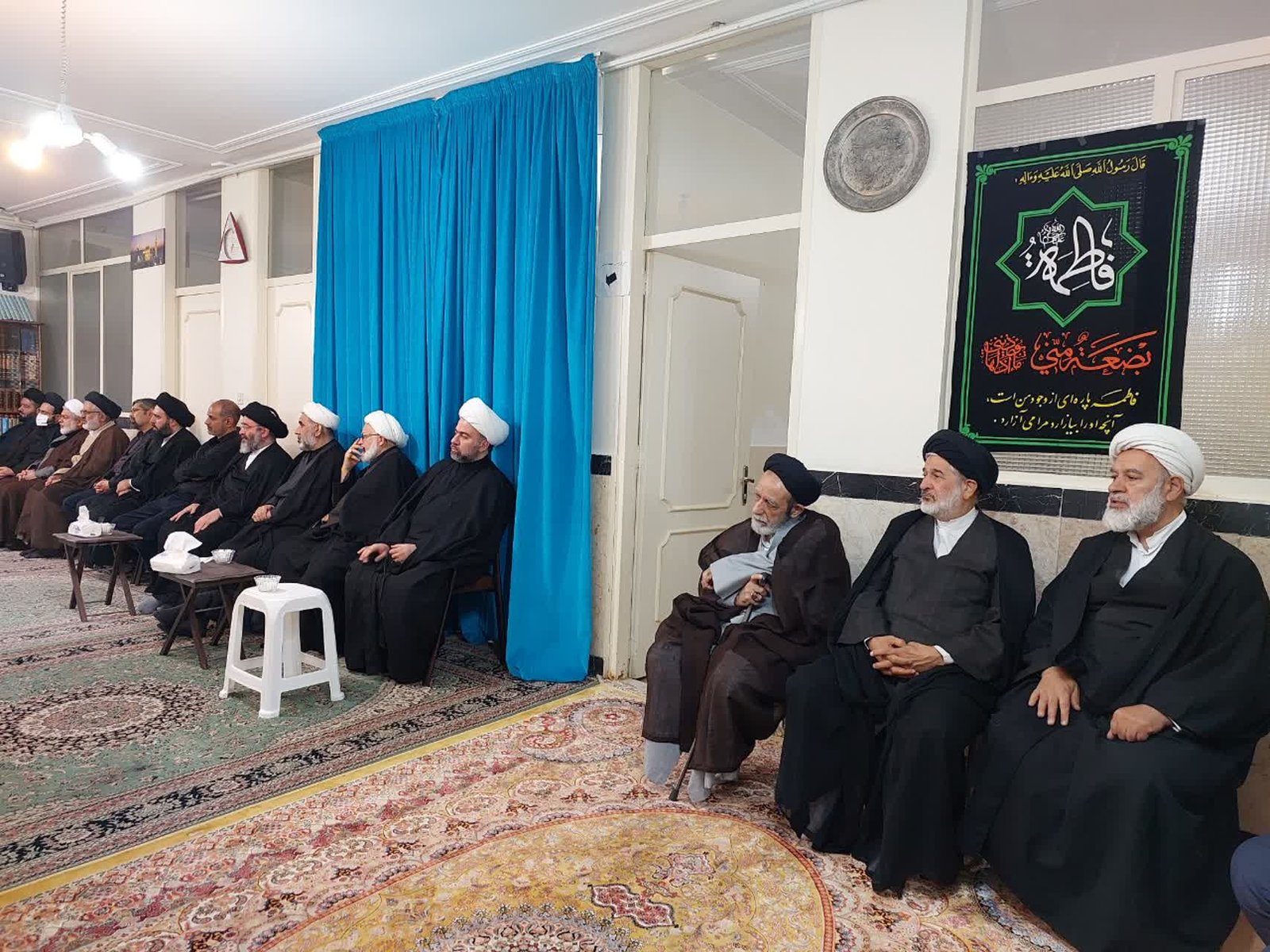
I offer my greetings, respect and esteem to you, the distinguished professors and honoured scholars present in this gathering, and I thank the respected host of this luminous assembly. I am grateful to God for granting me the opportunity to be among you, dear friends. I hope that in this brief opportunity, without imposing upon your precious time, I may present some useful and thought-provoking points. I offer my congratulations and felicitations to all of you, my masters, on the most joyous birth anniversary of the Truthful and Pure One, Lady Fatima al-Zahra (SA).
Before entering the main discussion, I would like to put forward a proposal which, by God's grace and through your efforts, will hopefully become a good and widespread tradition. In view of the religious, social and political requirements of our time, it is fitting that a group of concerned individuals take the lead so that, just as we commemorate the days of grief and mourning of the Ahl al-Bayt (AS) with grandeur, we may extend this same devotion to the days of joy and happiness of those holy personages. It is fitting that we should have "decades of joy" and "weeks of happiness." For example, in the days leading up to the month of Jumada al-Thani, we could hold a "Fatimiyya decade" or "Fatimiyya week" in its joyful dimension, and expound the lofty Fatimid teachings in a cheerful atmosphere. Or, in the month of Sha'ban, which is the month of the Messenger of God and contains no day of death, we could honour the period from the third to the fifteenth of Sha'ban as the "two decades of Sha'baniyya." Likewise, in the month of Rajab, we could revive the days of "Rajabiyya" from the thirteenth to the twenty-seventh of Rajab. In addition, we could have "the Sadiqiyya days of joy": a decade leading up to the birth of Imam Ja'far al-Sadiq (AS), which coincides with the birth of the Noble Prophet (PBUH), while celebrating the birth of the Noble Prophet together with the Mab'ath, so that it would be received more widely. Instead of keeping society solely in grief, it is fitting that we also make manifest in society the expressions of joy and delight of the Infallibles (AS). Please conclude with a salawat.
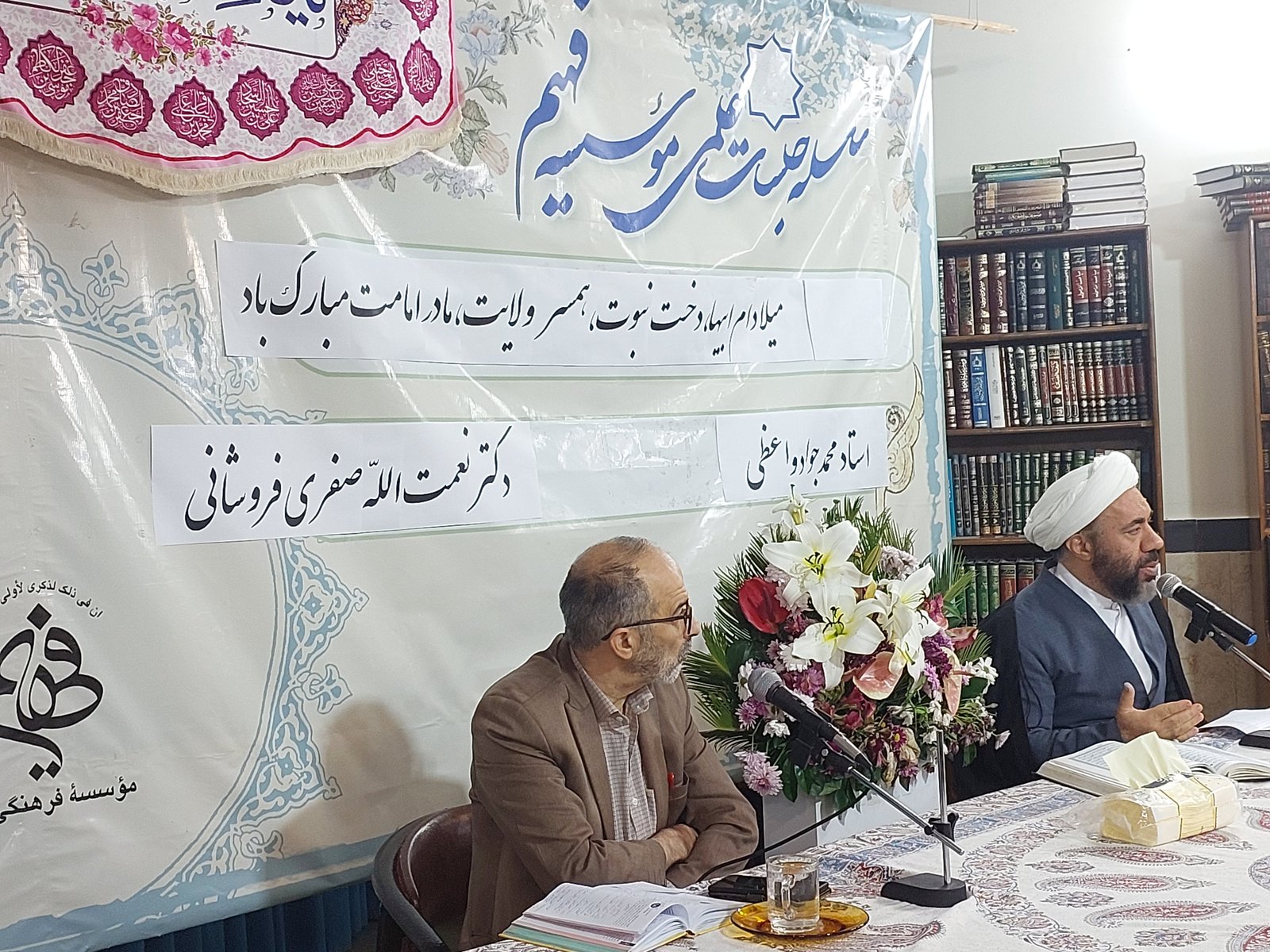
The subject of my talk is "The Role of Discourse in Analysing the Actions of Lady Fatima al-Zahra (SA) after the Passing of the Noble Prophet." At the outset, it is necessary to clarify what I mean by this title. By actions, I mean practical measures and behaviours. In the short period of Lady Fatima al-Zahra's (SA) life after the passing of her noble father, which according to various narrations is given as seventy-five days, ninety-five days or six months, we witness numerous actions and measures on her part. Among these measures one may mention the matter of "the House" (the sit-in and gathering in the house), her sermons (such as the Fadakiyya Sermon), the affair of Fadak, her visits to the doors of the houses of the Muhajirun and the Ansar, her appeal to the event of Ghadir, her political will, and also her appeal to the Prophetic hadith «إِنَّ اللهَ یَغْضَبُ لِغَضَبِ فَاطِمَةَ». This collection of explicit behaviours and measures is the focus of our attention in analysing the history of her life.
Here, setting aside purely chain-of-transmission and historical discussions, we seek to examine the "discourses" that have formed around these actions. By "discourse" (Discourse) I do not mean the complex definitions of philosophers such as Michel Foucault or Laclau and Mouffe; rather, I mean a systematic set or intellectual framework that is formed through the vocabulary, institutionalised statements and established historical events accepted by a group. The question is this: does the Shi'i intellectual framework establish an organic connection between these scattered events (the House, Fadak, the sermon, and so on)? Is there a thread of the rosary that links these separate beads together, or is each regarded as an independent event?
Based on the research carried out, three main discourses can be identified around these events, which are being presented for the first time in this gathering: "the Shi'i discourse," "the Sunni discourse" and "the Orientalist discourse." Although Orientalists have not yet entered into Fatimid studies in a deep and comprehensive manner, they have made references in encyclopaedias such as the "Encyclopaedia of Islam" (Encyclopaedia of Islam), the "Encyclopaedia of the Qur'an" and "Britannica"; owing to the shortness of time, we refrain from dealing with these and focus on the Shi'i discourse and, by way of comparison, the Sunni discourse.
The Shi'i discourse passes beyond the surface level of these texts and events and arrives at a "meta-text." This meta-text, which plays the role of that very thread of the rosary, gives each of these actions a specific meaning and a coherent identity. This central signifier and governing meta-text is none other than the theological question of "the Imamate." In Shi'i thought, all the actions of Lady Fatima al-Zahra (SA) are interpreted and understood under the concept of the Imamate, encompassing both religious Imamate and political Imamate in the sense of succession to the Messenger of God in managing the affairs of society.
The Imamate has two aspects, "affirmative" and "negative": the affirmative aspect means establishing the exclusive right of the Commander of the Faithful, Ali (AS), and the negative aspect means the illegitimacy of others. Now let us measure the actions by this criterion. What does "the gathering in the House" mean? It means that the person who calls himself caliph, or the mechanism that brought him to power (the Saqifah), lacks legitimacy. The sensitivity of the caliphal establishment towards the house of Lady Fatima al-Zahra (SA) was likewise not an isolated or temporary sensitivity; rather, they rightly perceived that the very existence of the caliphate was threatened by the reactions arising from this house, especially as the daughter of the Messenger of God was at the centre of this affair, and her defence was undertaken not merely as the wife of Ali (AS), but as a part of the Prophet's own being and the person closest to the source of revelation.
In the affair of "Fadak," too, the issue goes beyond a financial dispute. Although Fadak had material value, its symbolic value was far greater. It should be noted that after the event of Banu Nadir in the fourth year of the Hijra, and with the conquests of Khaybar and Yemen, the Muslims were no longer in absolute poverty such that they had urgent need of the revenue of Fadak. The Shi'a believe that the Prophet (PBUH) granted Fadak to Lady Fatima al-Zahra (SA) as a gift in the seventh year. But the caliphal establishment, and following it the Sunnis, maintain that Fadak was either the Prophet's personal property or his official property (pertaining to the office of prophethood), which upon his passing returned to the public treasury (bayt al-mal). By demanding Fadak, Lady Fatima al-Zahra (SA) was in fact emphasising the continuation of the Prophet's legal and real personality in the Ahl al-Bayt. Had Fadak been returned to her, the next step would have been to prove the illegitimacy of the usurpers in the matter of the caliphate. Hence Ibn Abi al-Hadid al-Mu'tazili makes a precise remark; he says that had Fatima's word regarding Fadak been accepted, she would also have put forward the claim to the caliphate for her husband, and the caliph would have been compelled to accept it. For this reason, the return of Fadak by Umar ibn Abd al-Aziz was the greatest blow to the legitimacy of the previous caliphs, since it amounted to a practical admission that the act of the first caliph had been wrong.
Regarding "the Fadakiyya Sermon," although it is replete with monotheistic and Qur'anic teachings, its pivotal and central sentence is this phrase: «فَجَعَلَ اللهُ... طَاعَتَنَا نِظَاماً لِلْمِلَّةِ وَ إِمَامَتَنَا أَمَاناً مِنَ الْفُرْقَةِ». She states explicitly that the sole axis of unity and of security against division is the Imamate of the Ahl al-Bayt. This phrase is the governing spirit of the sermon and that very thread of the rosary of the Shi'i discourse.Here it is necessary to note a point. Lady Fatima al-Zahra (SA) is by nature an "agentive" and active (Active) personality, not a reclusive and withdrawn one. Titles such as "Umm Abiha" (the mother of her father), which the Noble Prophet (PBUH) gave her, indicate her active and supportive role even in her childhood and the hard days of Mecca. This image of an active agent conflicts with certain weak and incongruous narrations that have entered the hadith heritage. A clear example is the narration «خَيْرٌ لِلنِّسَاءِ أَنْ لَا يَرَيْنَ الرِّجَالَ وَ لَا يَرَاهُنَّ الرِّجَالُ». First, in Shi'i sources this narration is mostly transmitted in mursal form (in books such as Da'a'im al-Islam, al-Manaqib and Kashf al-Ghumma) and suffers from a weak chain of transmission. Second, this statement conflicts with the text of the Qur'an, the practical conduct of the Prophet, and the socio-political conduct of Lady Fatima al-Zahra (SA) herself. Interestingly, this narration is transmitted with a complete chain (musnad) in Sunni books, yet even Sunni scholars of rijal such as al-Albani have declared it weak. Therefore, in discourse analysis, this narration is regarded as an "unarticulated" element, incompatible with the Shi'i intellectual system.
Her going to the houses of the Muhajirun and the Ansar and reminding them of the event of "Ghadir" is another component that lies precisely along the line of that same meta-text of the Imamate. By this action she completed the proof against everyone.
The matter of "the will concerning burial at night" also carries a profound political message. In early Islam, the presence of the ruler at a funeral and his leading of the prayer over the deceased was a sign of the legitimacy of the government and the fulfilment of a sovereign duty (just as the Prophet would even pray over the hypocrites until he was forbidden to do so). The will of Lady Fatima al-Zahra (SA) that she be buried secretly and that the caliph not be informed was the greatest symbolic protest and a negation of the legitimacy of the ruling establishment. The government did everything it could to pray over her body and even threatened to exhume the grave, but the Commander of the Faithful (AS) prevented this, and thus the government was deprived of this legitimising instrument. It is, however, necessary to mention the scholarly point that in Shi'i hadith literature the location of her pure grave was not entirely hidden before the Major Occultation. There are narrations from Imam al-Sadiq and Imam al-Rida (AS) that identify the location of the grave as being in her own house (which later, with the expansion of the Prophet's Mosque under the Umayyads, came within the precinct of the shrine enclosure). The excessive emphasis on "the hiddenness of the grave" in the present day is perhaps more a eulogistic approach than a scholarly one; but at the time it occurred, it fully performed its political function of exposing the line of hypocrisy.
And the final link in this discourse is the appeal to the hadith «إِنَّ اللهَ یَغْضَبُ لِغَضَبِ فَاطِمَةَ وَ یَرْضَى لِرِضَاهَا». When the heads of the government came to visit her in order to placate her and gain standing, she, with complete astuteness, obtained from them the admission that they had heard this hadith from the Prophet. Then she said: "I call to witness that you have angered me." This amounts to an official declaration of the displeasure of God and His Messenger with the government of the time and, consequently, of their lack of religious and political legitimacy.
By contrast, "the Sunni discourse" is a purely historical, fragmented and at times distorting discourse. They fragment the events, censor some of them, and justify others by fabricating "non-components." The masterpiece of this distortion is the fabrication of the legend of "Ali's (AS) proposal of marriage to the daughter of Abu Jahl," in order to discredit the hadith «مَنْ آذاهَا فَقَدْ آذانِي». In this absurd scenario they claim that Ali (AS) intended to marry the daughter of the enemy of God, and that the Prophet became angry and said: Fatima is a part of me! Through this fabrication they wish to say that the Prophet (PBUH) had two sons-in-law: one, Abu al-As ibn al-Rabi' (the husband of Zaynab), who was a good and good-natured son-in-law, and the other, Ali, who was a bad son-in-law and intended to harm the Prophet's daughter! This claim is compatible with none of the historical criteria, the virtues of the Commander of the Faithful, his record of jihad, or the mutual love between the Prophet and Ali (AS), and it is so feeble that its fabricated nature is evident to any sound mind. This discourse seeks, through such stories, to break the thread of the rosary of the rightfulness of the Ahl al-Bayt.
In conclusion, my main point is that, regrettably, a "compound consensus" has formed among all the factions which has led to an injustice towards Lady Fatima al-Zahra (SA). We have abandoned her entire personality, teachings, social conduct and the immense Fatimid heritage, and have halted solely at the point of her martyrdom and the conflicts after the Prophet's passing, to the extent that we sometimes declare one another unbelievers, while remaining heedless of "the Fatimid way of life." It is fitting that in gatherings of joy and happiness we address the neglected dimensions of her life, so that we may be included in her special favour.
May God Almighty keep us all alive and cause us to die as followers of Fatima and Ali, grant us a good end, and record and inscribe our names among the soldiers of the Guardian of the Age (Wali al-'Asr) (AJ).
وَ السَّلَامُ عَلَیْکُمْ وَ رَحْمَةُ اللهِ وَ بَرَکَاتُهُ.
Comments
No comments yet. Be the first.
Write a note, critique or commentShare your view with us and other readers without leaving this page.