


الْحَمْدُ لِلَّهِ رَبِّ الْعَالَمِینَ وَ صَلَّیاللهُ عَلَی نَبِیِّنَا وَ طَبِیبِ نُفُوسِنَا وَ حَبِیبِ إِلَهِ الْعَالَمِینَ أَبِیالْقَاسِمِ الْمُصْطَفَی مُحَمَّدٍ وَ آلِهِ الطَّیِّبِینَ الطَّاهِرِینَ الْمُقَرَّبِینَ.
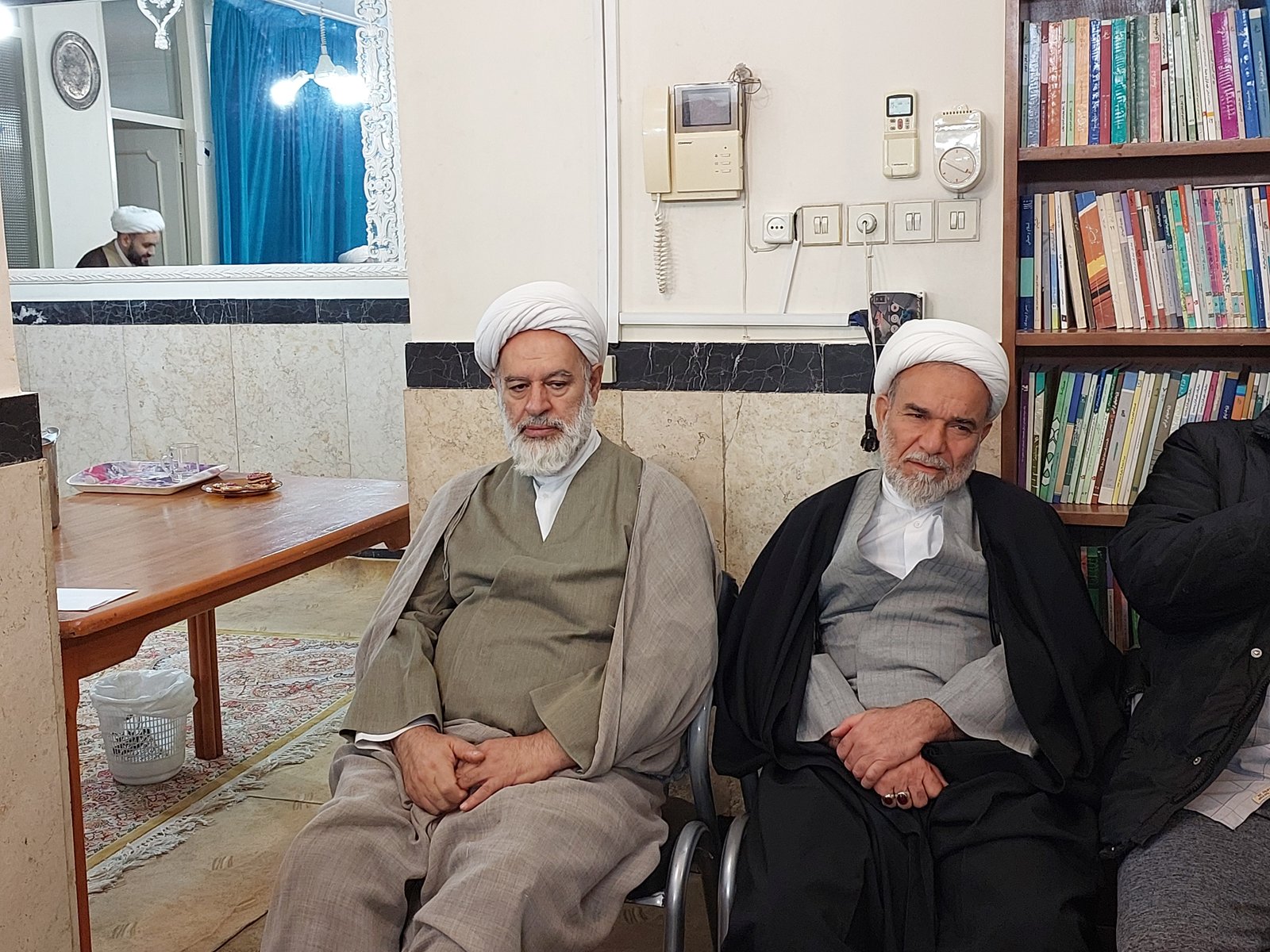
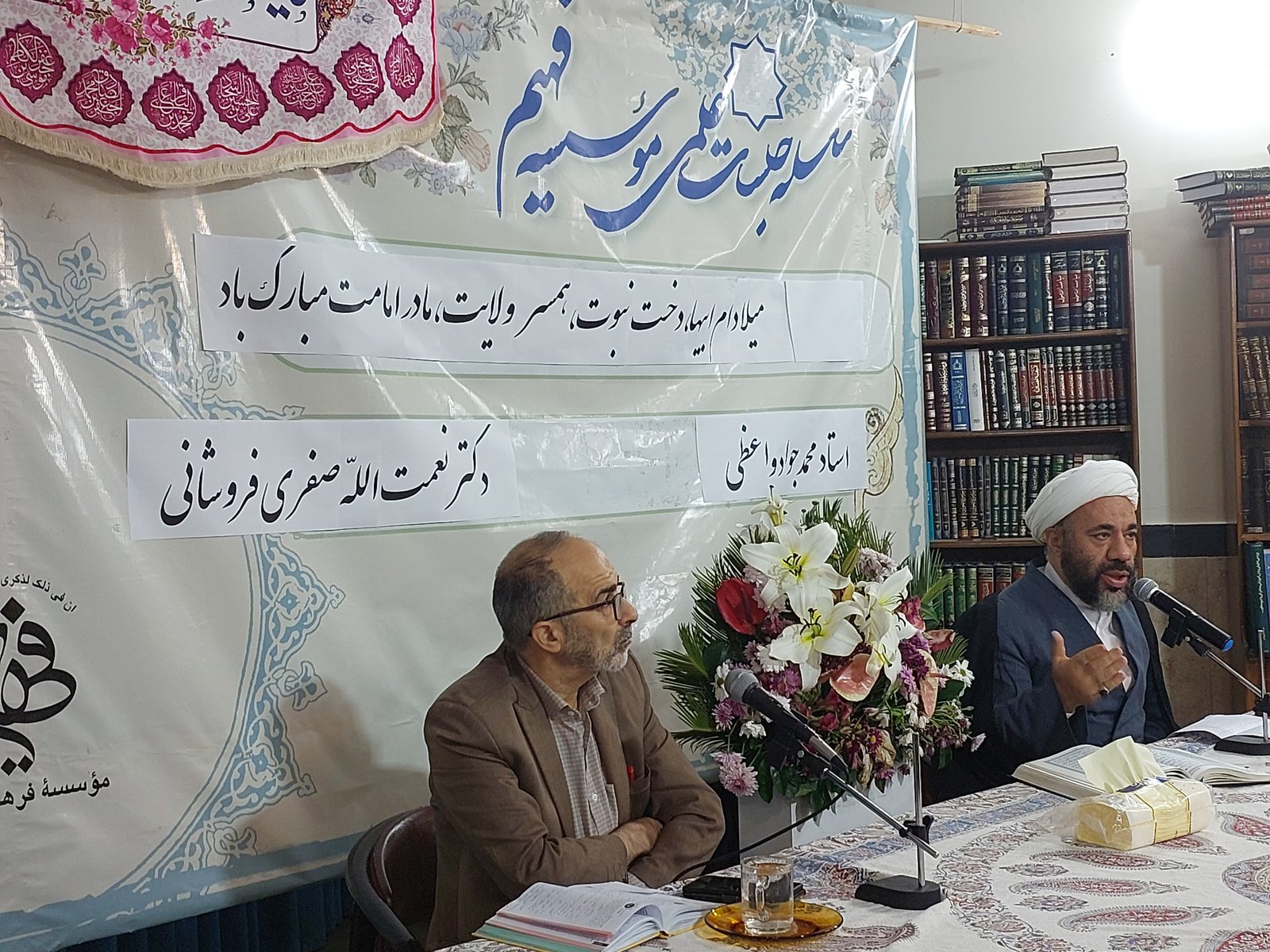
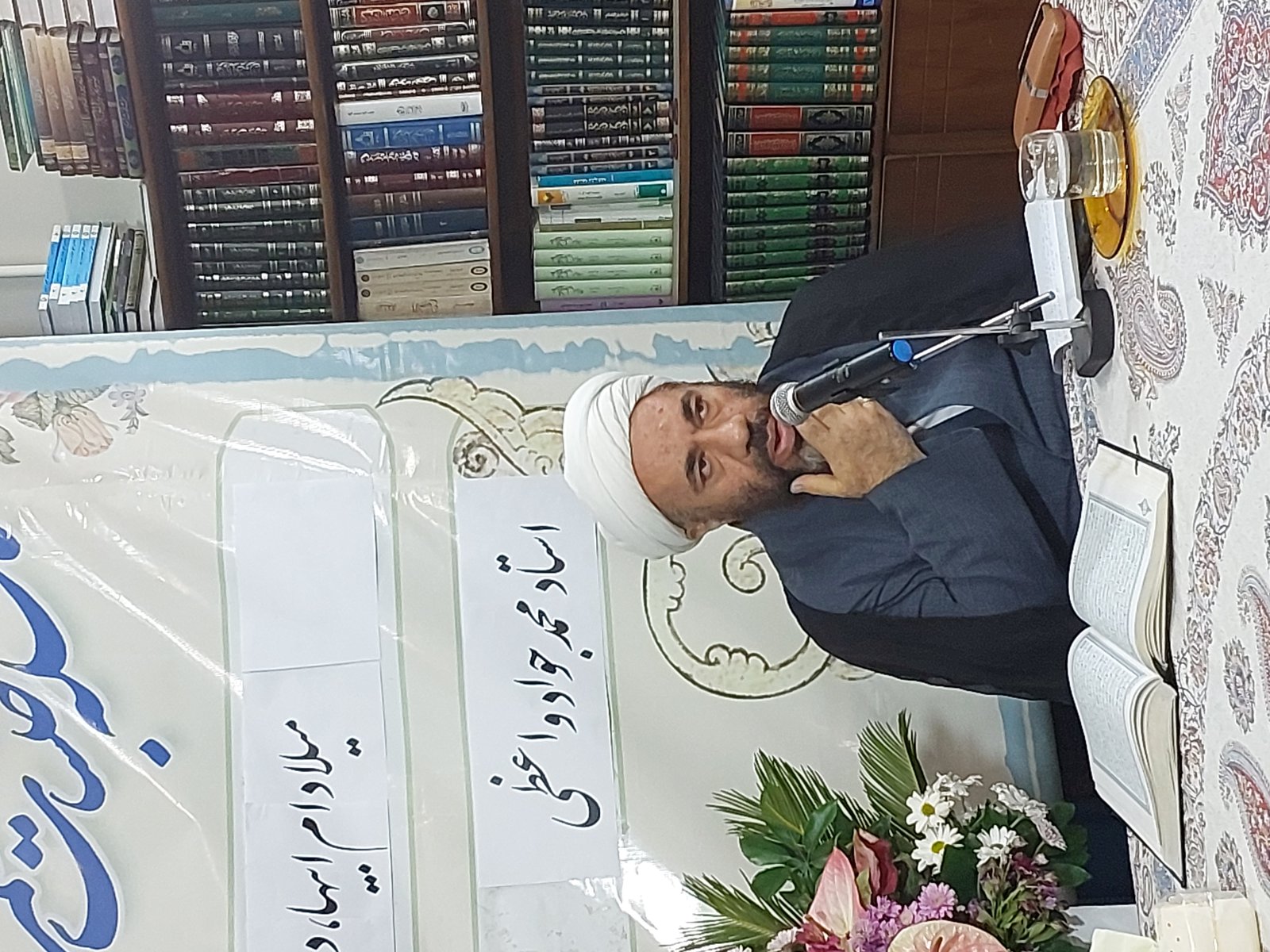
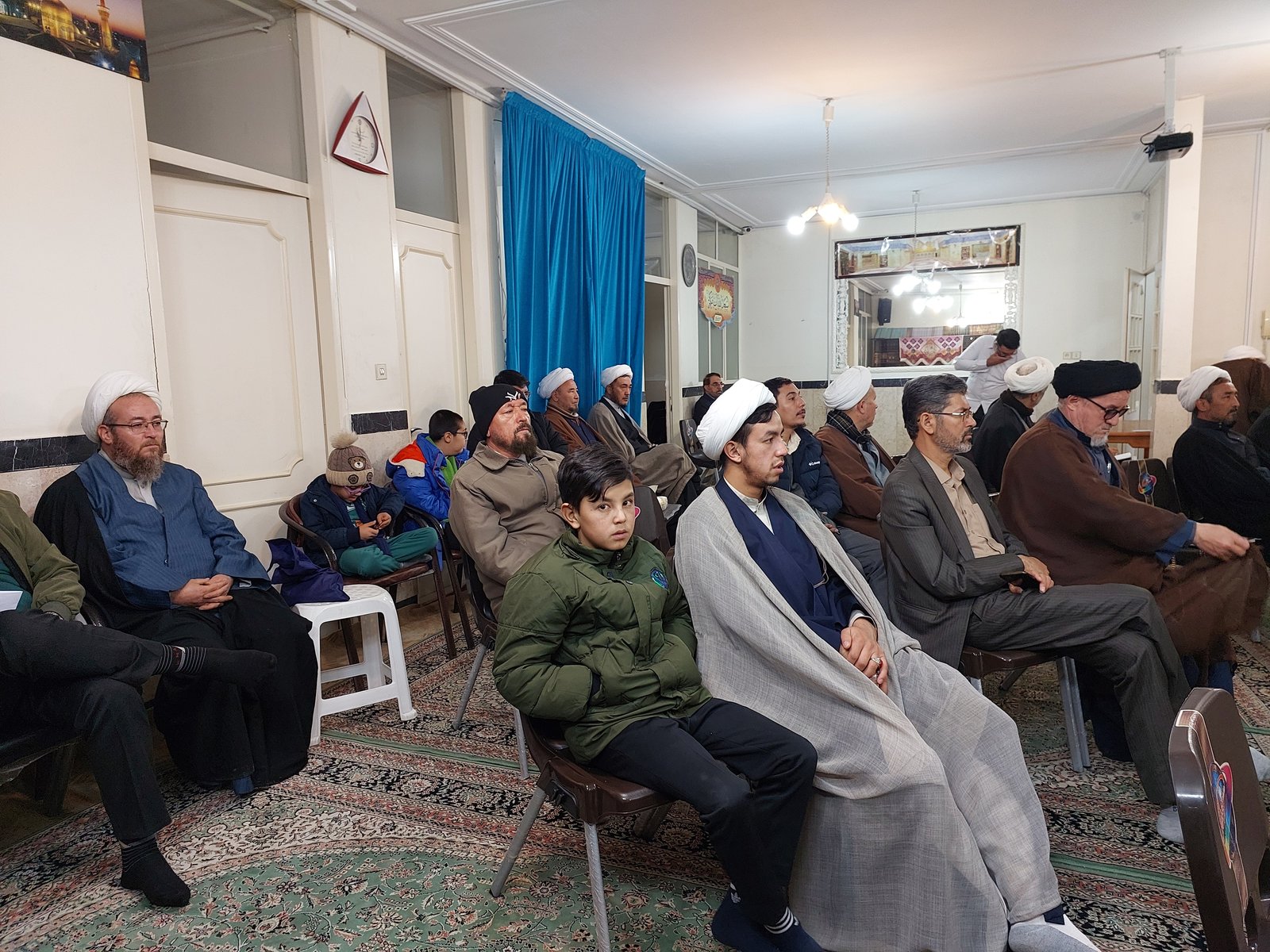
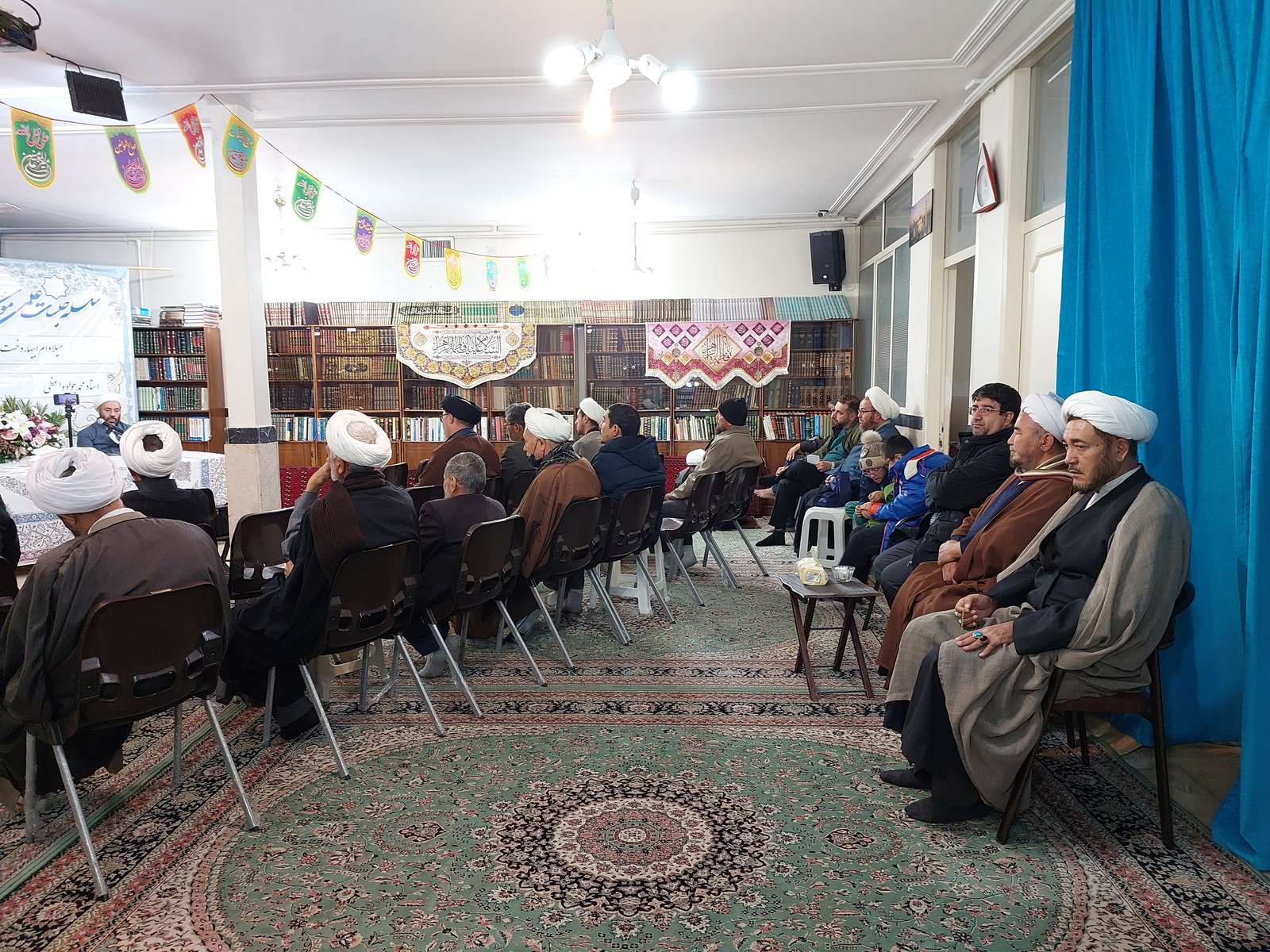
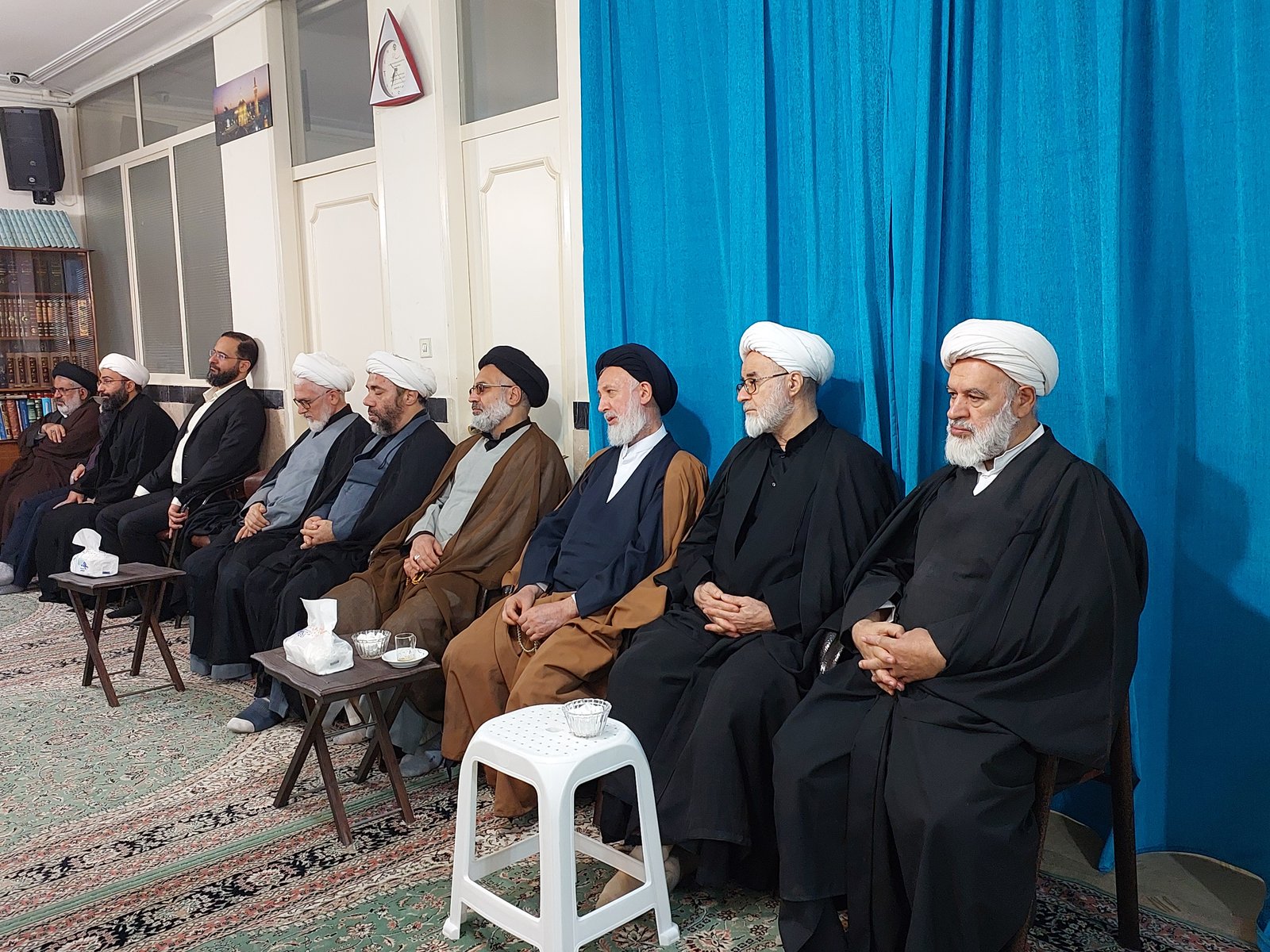
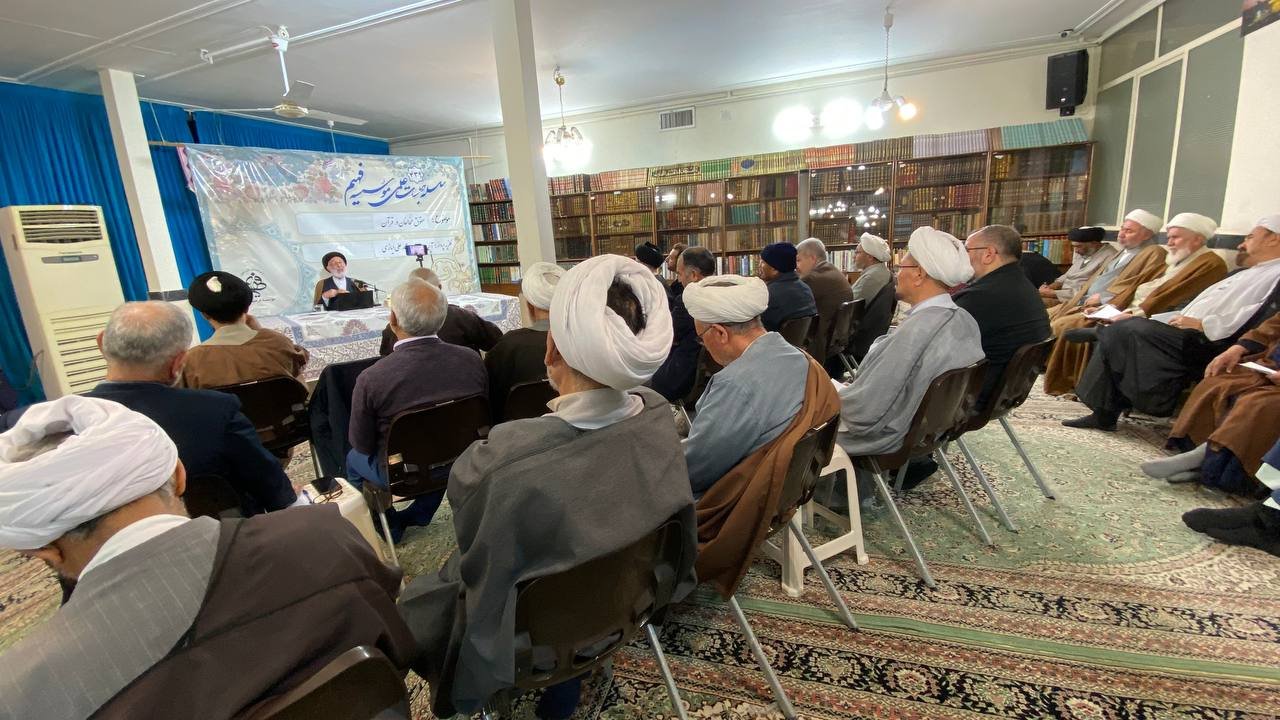
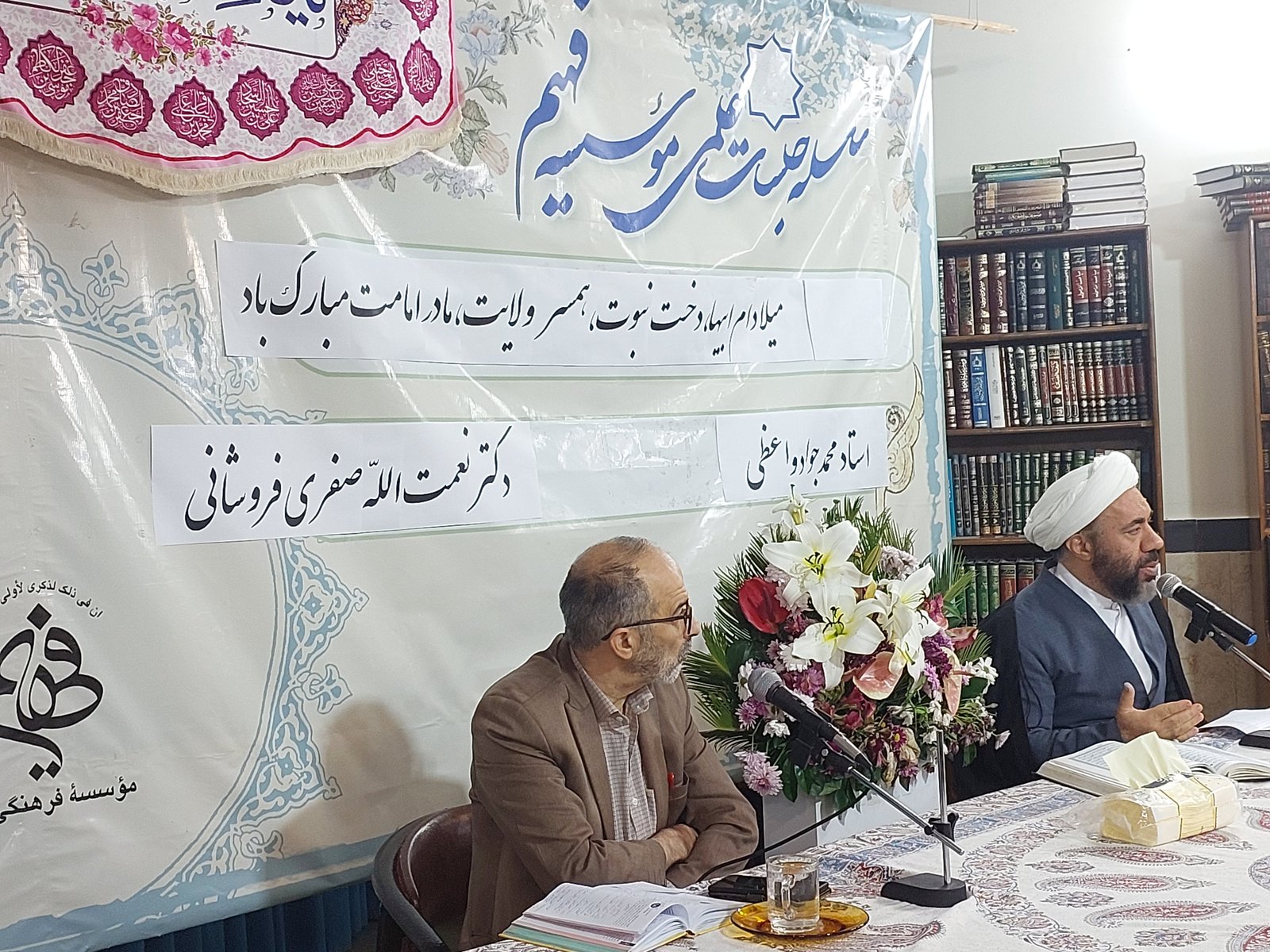
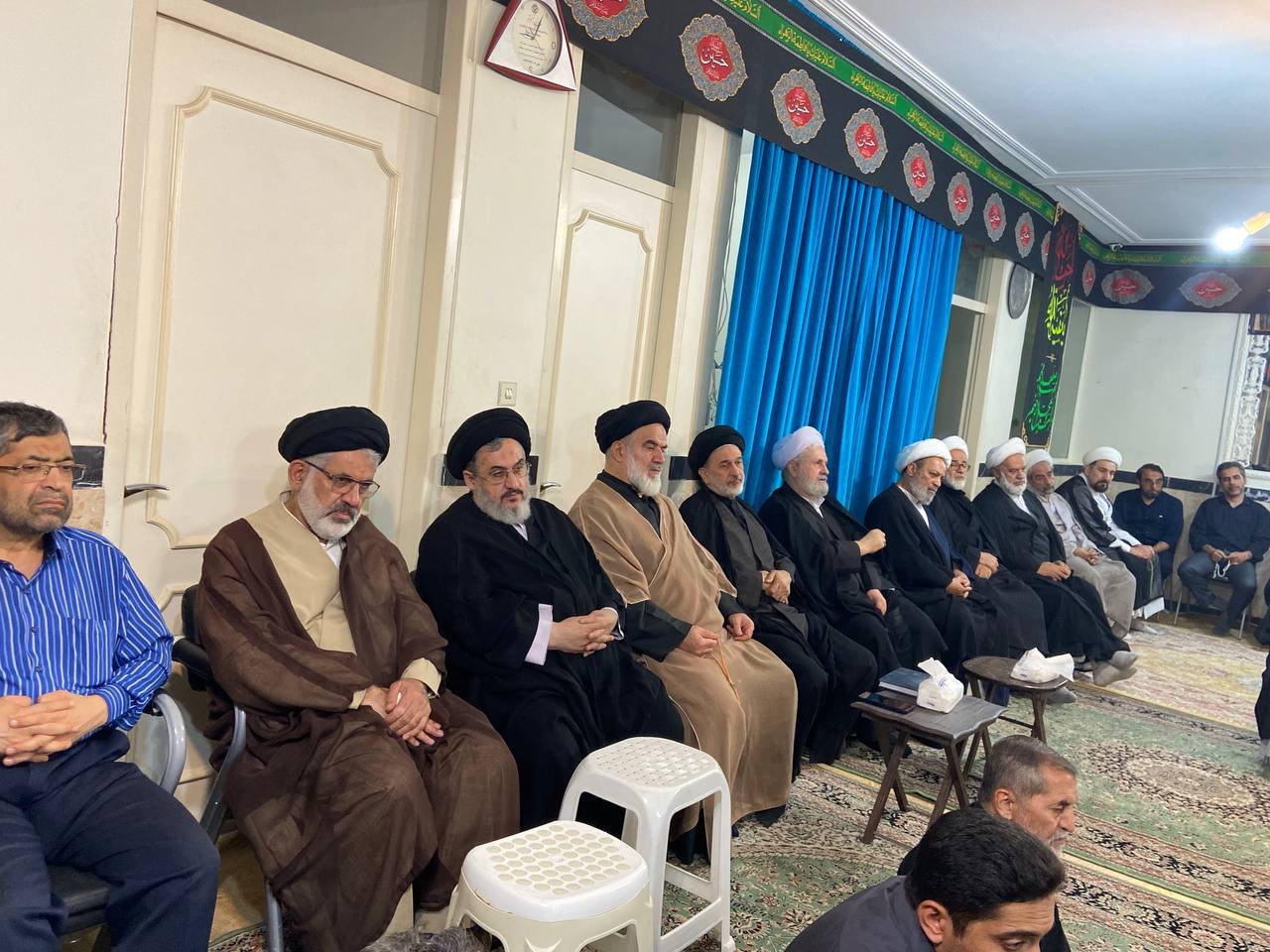
It is a privilege to be in the presence of you, honoured masters and esteemed professors, for a few brief minutes. It is hoped that what is said in this luminous gathering, convened on the occasion of the blessed and auspicious birth anniversary of the Greatest Truthful One, Lady Fatima al-Zahra (SA), will meet with the pleasure of God Almighty and, God willing, be of benefit to the dear audience. The focus of my talk is the noble verses that were recited; but by way of introduction, I shall present an exegetical point.
As you are aware, and as the exegetes have also pointed out, the exegesis of the Noble Qur'an has, in the first instance, two levels and approaches: "contextual exegesis" (tafsir siyaqi) and "intrinsic exegesis" (tafsir nafsi). Contextual exegesis means that the meaning of a verse is determined with the help of the verses that precede and follow it. The process of understanding the Qur'an usually proceeds as follows: first, the literal "meaning" of the verse comes to mind; then, by examining its relationship with the neighbouring verses, the stage of "explanation" takes place; and finally comes the turn of "exegesis," which is the discovery of the ultimate intent of the Lord. Of course, our access to the essence of the divine intent is in proportion to our capacity and existential scope, for we are beings of "gradual existence" and are on the path of perfection. Therefore, if we seek to proceed merely through translation and outward explanation, we may not attain the depth of the divine intent and may need internal and external evidence.
The second approach, however, is "intrinsic exegesis," which some call "ta'wil" (esoteric interpretation), but which may be termed the intrinsic exegesis of the Qur'an. In this method, the verse is placed at the centre of attention independently, irrespective of the context of the preceding and following verses. For example, in the noble verse «فَسْئَلُوا أَهْلَ الذِّکْرِ إِنْ کُنْتُمْ لا تَعْلَمُونَ» (al-Anbiya' 21:7 and al-Nahl 16:43), if we proceed on the basis of contextual exegesis, the preceding and following verses are addressed to the polytheists, saying: if you do not know that this Prophet (PBUH) is the Prophet of the end of time and do not recognise his signs, go and ask the "people of remembrance" (ahl al-dhikr). In this context, the people of remembrance are the scholars of the Torah and the Gospel (the People of the Book). For at that juncture the Prophet had not yet come into conflict with the Jews of Khaybar, and their minds were more open towards Islam; hence the Qur'an refers people to them to ask about the signs. But in "intrinsic exegesis," according to the narrations transmitted from the Ahl al-Bayt (AS), the most complete instance of the "people of remembrance" is the Ahl al-Bayt themselves. Imam al-Sadiq (AS) says that if you now go to the Jewish scholars, they will invite you to themselves, not to the Prophet of Islam; therefore, it is we who are the "people of remembrance" who call to the truth. Thus, in an independent and intrinsic reading, the verse acquires a deeper meaning.
Now, with this introduction, we turn to the noble Verse of Purification: «إِنَّمَا یُرِیدُ اللَّهُ لِیُذْهِبَ عَنْکُمُ الرِّجْسَ أَهْلَ الْبَیْتِ وَ یُطَهِّرَکُمْ تَطْهِیرًا» (al-Ahzab 33:33). If we take contextual exegesis into account, the preceding and following verses concern the wives of the Prophet (PBUH): «یَا نِسَاءَ النَّبِیِّ لَسْتُنَّ کَأَحَدٍ مِنَ النِّسَاءِ... وَقَرْنَ فِی بُیُوتِکُنَّ» (O wives of the Prophet, you are not like any other women... and stay in your houses). Then He says: «وَاذْکُرْنَ مَا یُتْلَی فِی بُیُوتِکُنَّ مِنْ آیَاتِ اللَّهِ». In this context, the address is to the wives of the Prophet, telling them to remain at home and recite the divine verses so as not to become a cause of temptation. Had the wives of the Prophet possessed "inner purity" and infallibility, their presence in society would have entailed no harm and they could have gone out; but since their purity is not guaranteed, they receive the command to stay at home (وقرن فی بیوتکن). Some professors who have delved deeply into these matters may say that this command concerns women who intend tabarruj (self-display); but what is certain is that if a woman enters society without instruction and self-purification, she may slip.
But suddenly the tone of the divine word changes, and He says: «إِنَّمَا یُرِیدُ اللَّهُ لِیُذْهِبَ عَنْکُمُ الرِّجْسَ أَهْلَ الْبَیْتِ». Here the pronoun changes from feminine (kunna) to masculine (kum), and the subject of the "Ahl al-Bayt" is introduced. On the basis of intrinsic exegesis and narrative evidence, this part of the verse is independent and indicates a special infallibility and inner purity. This inner purity which God has willed pertains to those whose presence in society is not only no cause of temptation, but is rather a cause of the growth, vitality and purity of society. The axis of these "Ahl al-Bayt" in the Verse of Purification is the holy being of Lady Fatima al-Zahra (SA). Although outwardly there are other individuals as well (the Five Pure Ones), the centrality belongs to Lady Fatima al-Zahra. After the revelation of this verse, the Noble Prophet (PBUH) was commissioned to specify its referents. Hence, for a long period (according to some narrations six months or more), whenever he passed by the door of the house of Lady Fatima al-Zahra (SA) and Ali (AS), he would say: «السَّلَامُ عَلَیْکُمْ یَا أَهْلَ الْبَیْتِ», so that it would become known whom this verse intended. Even the order to close the doors of the houses opening onto the mosque (sadd al-abwab) was issued, «إِلَّا بَابَ عَلِیٍّ»; that is, the only ones who possess inner purity even in a state of janabah or menstruation (an outward legal impediment), and whose presence in the mosque is unobjectionable, are this very family. Here the obligatory ruling prohibiting them from remaining in the mosque is lifted, which indicates their lofty status at the level of positive (wad'i) and ontological (takwini) rulings.
A very important point is that after the revelation of the Verse of Purification (around the fifth or sixth year of the Hijra), the language and tone of the Messenger of God (PBUH) in introducing Lady Fatima al-Zahra (SA) changed. Before this, the introductions had an "individual" character. Expressions such as «فَاطِمَةُ بَضْعَةٌ مِنِّی», «فَاطِمَةُ سَیِّدَةُ نِسَاءِ الْعَالَمِینَ» or «سَیِّدَةُ نِسَاءِ أَهْلِ الْجَنَّةِ», which appear in the sources of both schools (such as Sahih al-Bukhari), referred to her personal virtue. But after the Verse of Purification, the Prophet's approach shifted to a "collective" approach and to the title "Ahl al-Bayt." Expressions such as «أَهْلُ بَیْتِی أَمَانٌ لِأَهْلِ الْأَرْضِ», or the famous hadith «مَثَلُ أَهْلِ بَیْتِی فِیکُمْ کَمَثَلِ سَفِینَةِ نُوحٍ مَنْ رَکِبَهَا نَجَی», which al-Hakim al-Naysaburi records in al-Mustadrak, stating explicitly that this narration is authentic according to the condition of Muslim ibn al-Hajjaj (the author of Sahih Muslim), were issued. Or the Hadith of the Two Weighty Things (Thaqalayn), which appears in authoritative Sunni books (Muslim, al-Tirmidhi, Musnad Ahmad): «إِنِّی تَارِکٌ فِیکُمُ الثَّقَلَیْنِ کِتَابَ اللَّهِ وَ عِتْرَتِی أَهْلَ بَیْتِی». This change of tone shows that from then on, the "collective standing" of this family is the criterion of guidance and of holding fast.
Even in the event of the Mubahala this collective standing became manifest: «اللَّهُمَّ هَؤُلَاءِ أَهْلُ بَیْتِی وَ خَاصَّتِی وَ حَامَّتِی». The form of the salawat also changed after this verse, and "the family of Muhammad" was added to the salawat. Therefore, the merits of Lady Fatima al-Zahra (SA) are, on the one hand, individual merits recorded in authoritative books (al-Bukhari and Muslim) and, on the other hand, she is the axis of the collective merits of the Ahl al-Bayt.
Concerning the central position of Lady Fatima al-Zahra (SA), a narration is reported in secondary Sunni sources (such as the works of al-Suyuti and Ibn Abi al-Hadid) and in Shi'i sources that she is the "pillar" (rukn) of the Commander of the Faithful (AS) and even, in a sense, the pillar of the Messenger of God (PBUH). That the Prophet (PBUH) gave her the title "Umm Abiha" is not merely an emotional expression; rather, it shows that after the passing of Lady Khadija (SA), Fatima (SA) filled the place of a mother for the Prophet (PBUH), that is, the centre of intimacy, tranquillity and comfort. She was the radiant lamp and the source of repose of the house of prophethood.
It is also reported in the narrations that the Prophet (PBUH) said to the Commander of the Faithful (AS): «سَلَامُ اللَّهِ عَلَیْکَ یَا أَبَا الرَّیْحَانَتَیْنِ... فَعَنْ قَلِیلٍ یَنْهَدُّ رُکْنَاکَ» (God's peace be upon you, O father of the two sweet basils... soon your two pillars will collapse). The first pillar was the holy being of the Messenger of God (PBUH), and the second pillar was Lady Fatima al-Zahra (SA). The Commander of the Faithful (AS), who was himself "the support of men" and Asadullah al-Ghalib (the Victorious Lion of God), found his support in spiritual matters and inner tranquillity in Fatima (SA). Perhaps the secret of why Ali (AS) was commanded to remain silent during the assault on the house, while Lady Fatima al-Zahra (SA) went behind the door, lies in this very status of hers as a pillar; for the enemies would perhaps respect the sanctity of the Prophet's daughter more than that of Ali (AS), and her presence was a wholehearted defence of wilayah.
Moreover, the social presence of Lady Fatima al-Zahra (SA) was also an active and heroic presence. It is reported in Sahih al-Bukhari that in the Battle of Uhud, when the Prophet's blessed teeth were broken and his face and arm were wounded and the bleeding would not stop, it was Fatima (SA), though she was young, who burned a mat and applied its ashes as a dressing to the Prophet's wound and stopped the bleeding. In the Battle of the Confederates (al-Khandaq), too, when the Prophet (PBUH) spent days at the site of the digging of the trench and on Mount Dhubab in worship and was hungry, Lady Fatima al-Zahra (SA) prepared bread and took it to her father, and like a devoted nurse cared for the Friend of God, while others were perhaps preoccupied with themselves.
Another point among her virtues is the narration «لَوْلَا عَلِیٌّ لَمْ یَکُنْ لِفَاطِمَةَ کُفْوٌ», which appears both in our sources and in Sunni sources (such as Ibn Mardawayh). Imam al-Sadiq (AS) said: Had God not created the Commander of the Faithful, no equal for Fatima would have been found on the face of the earth, from Adam to the last. This indicates the equal rank of the luminous and spiritual stations of these two great figures.
Finally, let us allude to the station of Lady Fatima al-Zahra (SA) on the Day of Resurrection. Mutawatir narrations indicate that although the first to be resurrected on the Day of Resurrection is the Messenger of God (PBUH), the last to enter the plain of gathering (on account of the ceremony and grandeur of her entry) and the first to enter Paradise is Lady Fatima al-Zahra (SA). She does not witness the fearful and terrifying initial stations of the Resurrection, and is placed directly in the station of the Supreme Intercession. While people are in «یَوْمَ یَفِرُّ الْمَرْءُ مِنْ أَخِیهِ» and weep blood from the intensity of their fear, a caller proclaims: «غُضُّوا أَبْصَارَکُمْ» (Lower your gazes), so that the daughter of the Prophet may pass. She enters with majesty and grandeur, takes her place in the station of intercession, and is the first who in practice opens the gate of intercession for the Shi'a and those who love her.
We hope that God Almighty will resurrect us with the Lady of the two worlds, the Greatest Truthful One (SA), and increase day by day our knowledge of and love for this family.God willing, please conclude with a loud salawat: اللَّهُمَّ صَلِّ عَلَی مُحَمَّدٍ وَ آلِ مُحَمَّدٍ.
Comments
No comments yet. Be the first.
Write a note, critique or commentShare your view with us and other readers without leaving this page.