


Ayatollah Kazem Ghazizadeh: In its decisions, government must not sacrifice the general public for the sake of the elite
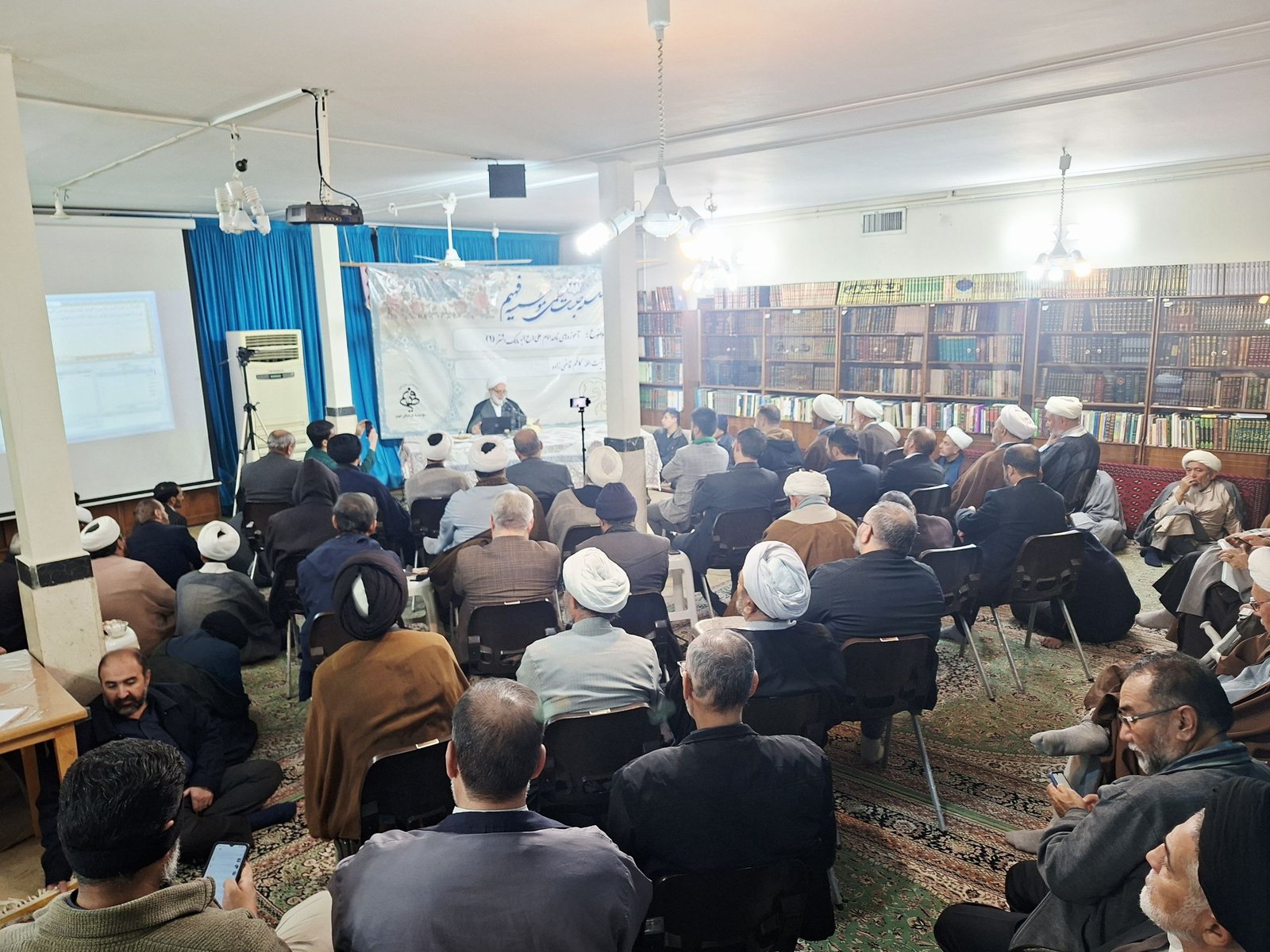
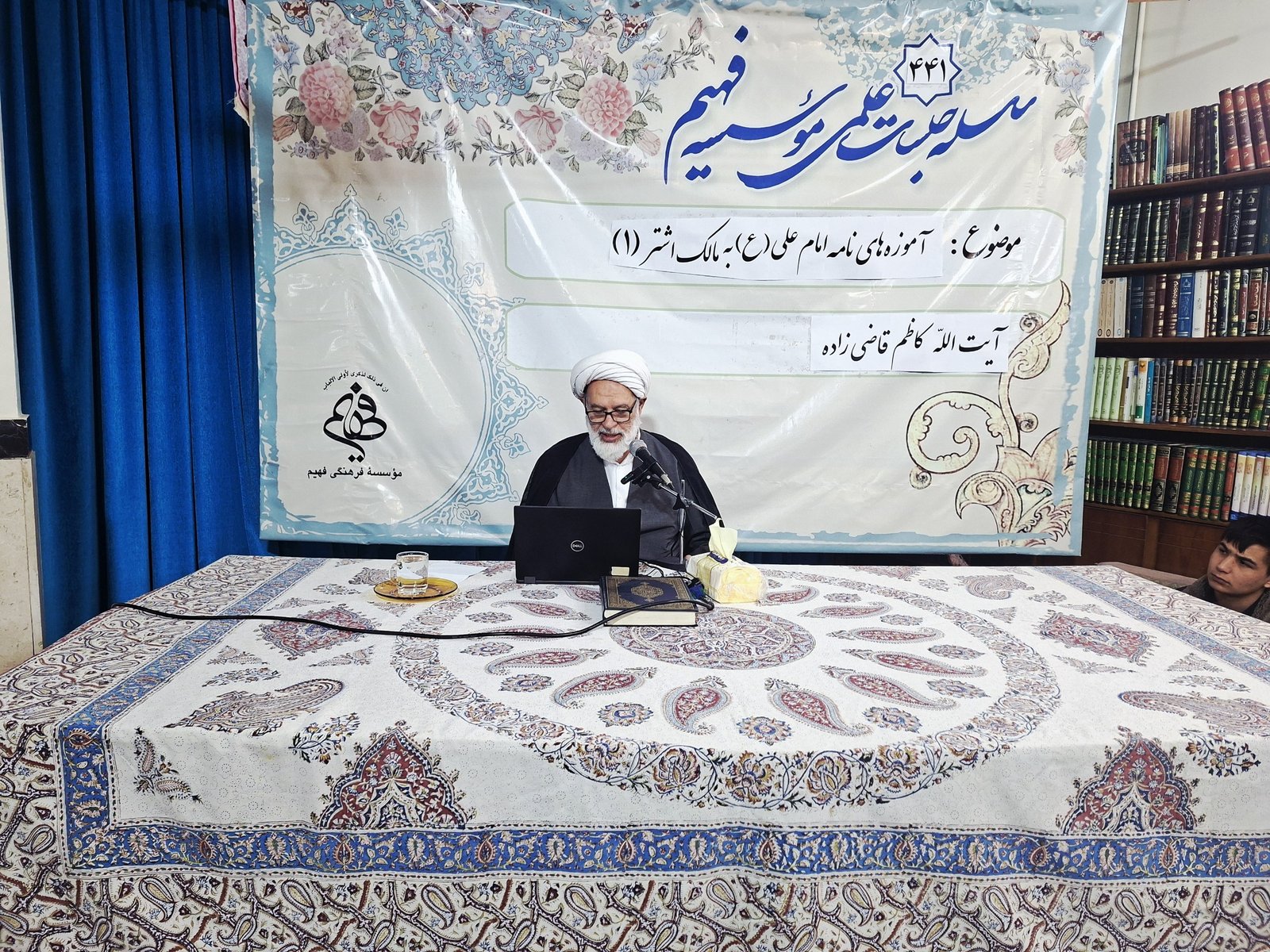
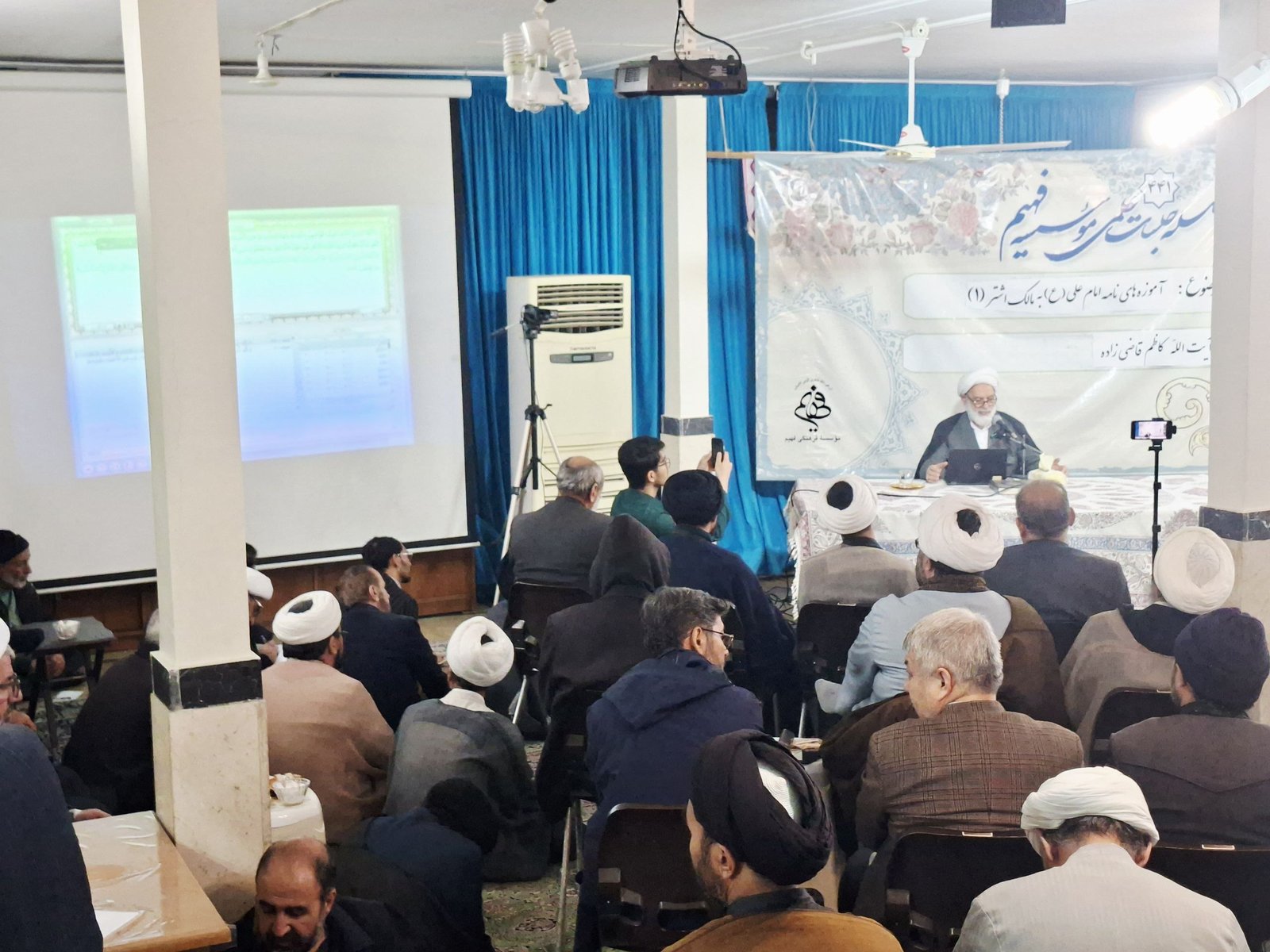
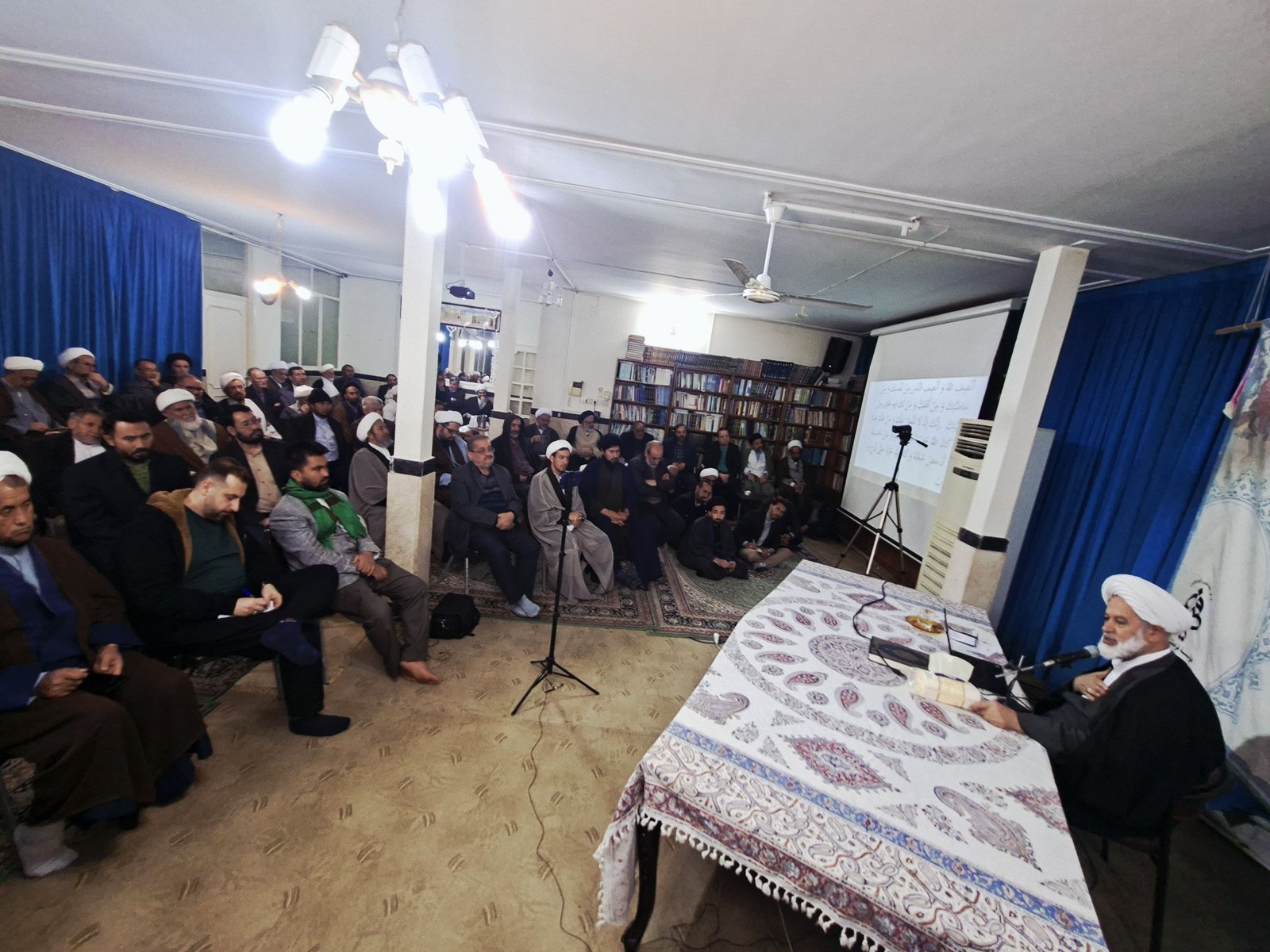
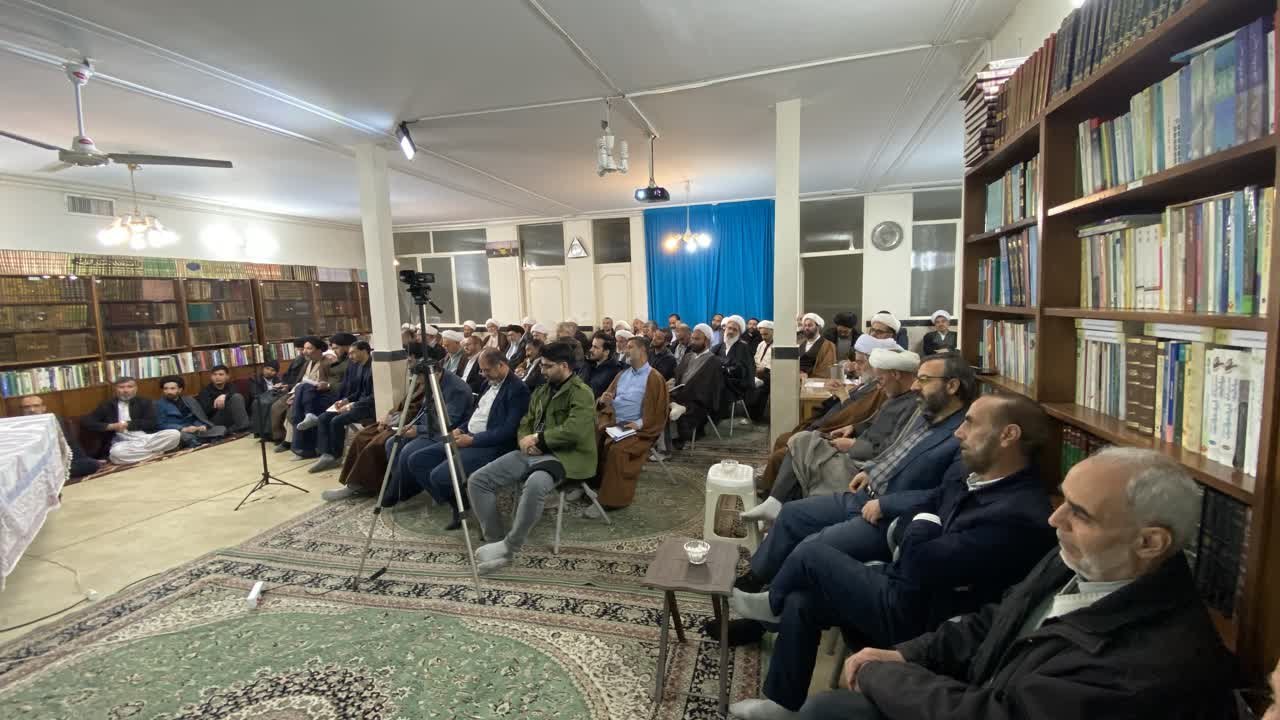
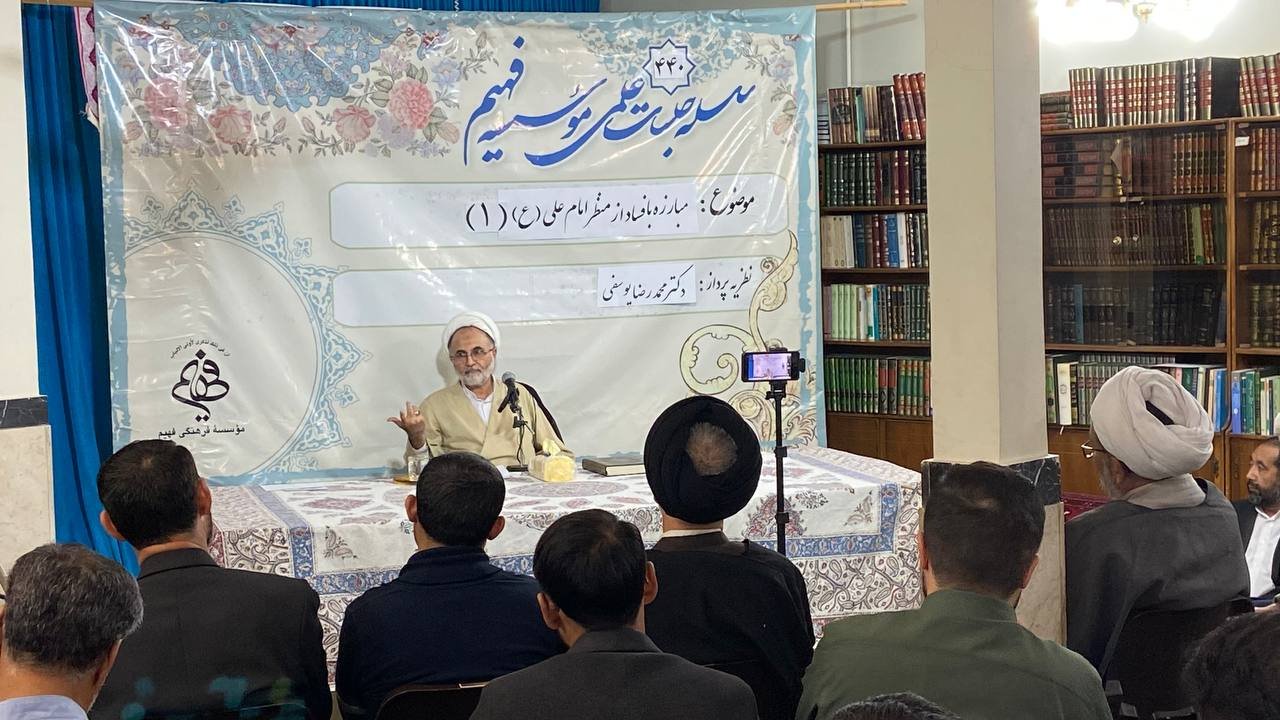
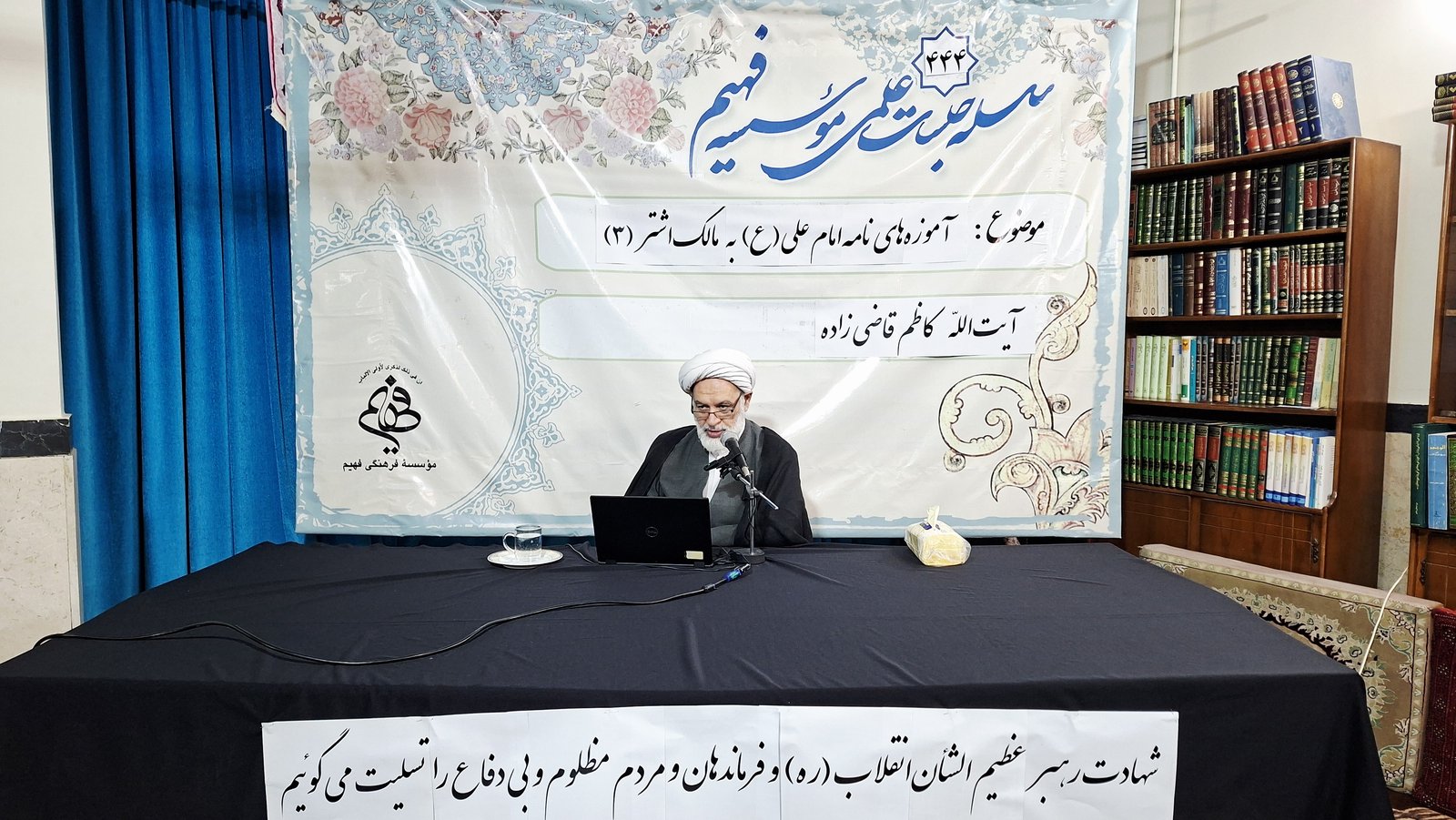
Andisheh-ye Ma – As reported by Andisheh-ye Ma, citing the public relations office of the Fahim Cultural Research Institute, the four hundred and forty-second session in the Fahim Institute's series of sessions, held on the occasion of the month of Ramadan 1447 AH in the Institute's assembly hall in the presence of a large gathering of hawza scholars and of seminary and university professors, featured a lecture by Ayatollah Kazem Ghazizadeh, teacher of the advanced (kharij) course in fiqh and head of the Fahim Institute. Selected excerpts of Professor Ghazizadeh's lecture follow:
اعوذ بالله من الشیطان الرجیم بسم الله الرحمن الرحیم الحمدلله رب العالمین، و صلی الله علی محمد و آله الطاهرین، سیما بقیة الله فی الأرضین.
At the outset, we ask Almighty God to turn back upon themselves the evil of the enemies, especially the evil of criminal America and the Zionist regime, which today began a cowardly attack. God willing, may our nation, our identity, our country, our government and the system of the Islamic Republic remain safe from their evil. We ask God that all the country's decision-makers remain safe and rightly guided, and that the Islamic Republic prevail over its enemies as soon as possible. Just as in the Twelve-Day War, despite the damage our country suffered and the martyrs we offered, it was ultimately they who asked for a ceasefire, and this was a great victory for us. God willing, this war too will end swiftly, with a request for a ceasefire from the parties hostile to the Islamic Republic.
We were to have the company of our esteemed friend, Professor Javadi Amoli, on another evening. Therefore, so that the session would not be cancelled, I shall present to you, dear friends, the continuation of my discussion of the teachings of Amir al-Mu'minin (AS) in his letter to Malik al-Ashtar.
Following the points set out in the previous session, Amir al-Mu'minin (AS) raises another general point, which may be described as one of the fundamental policies of Islamic government in dealing with the various strata of the people. Perhaps it could be titled "giving preference to the general public over the elite". Islamic government faces two groups: the elite (khawass) and the general public. "The common people" (awamm) here does not mean the illiterate; rather, it means "the general public". Amir al-Mu'minin (AS) says: «وَ أَحَبُّ الْأُمُورِ إِلَیْکَ أَوْسَطُهَا فِی الْحَقِّ، وَ أَعَمُّهَا فِی الْعَدْلِ، وَ أَجْمَعُهَا لِرِضَى الرَّعِیَّةِ.» That is, in governmental decision-making the matter sometimes lies between two options: one option benefits the general public and the other benefits a particular group. For example, a member of parliament, when voting, may be faced with a bill that benefits either his own constituency or the country as a whole. Or a minister, in deciding on water supply, the construction of a factory or other facilities, may say: since I am from such-and-such a city, let me take the factory to that city. These are decisions that benefit a particular group or region. By contrast, sometimes a decision is taken that benefits all the people. The Imam says that the criterion for decision-making is threefold:
First: «اوسطها فی الحق» (the most moderate of them in truth); that is, the decision that is closest to the truth, regardless of who does or does not benefit from it.
Second: «اعمها فی العدل» (the most comprehensive of them in justice); that which brings about more universal justice and from which more people benefit.
Third: «اجمعها لرضی الرعیه» (the most conducive of them to the contentment of the subjects); that which secures the greater contentment of the general public.
The Imam then also states the reason. He says that in decision-making, if you heed the wishes of the elite, the general public will become discontented; and if you heed the wishes of the general public, the elite will become discontented. Which, then, is better?
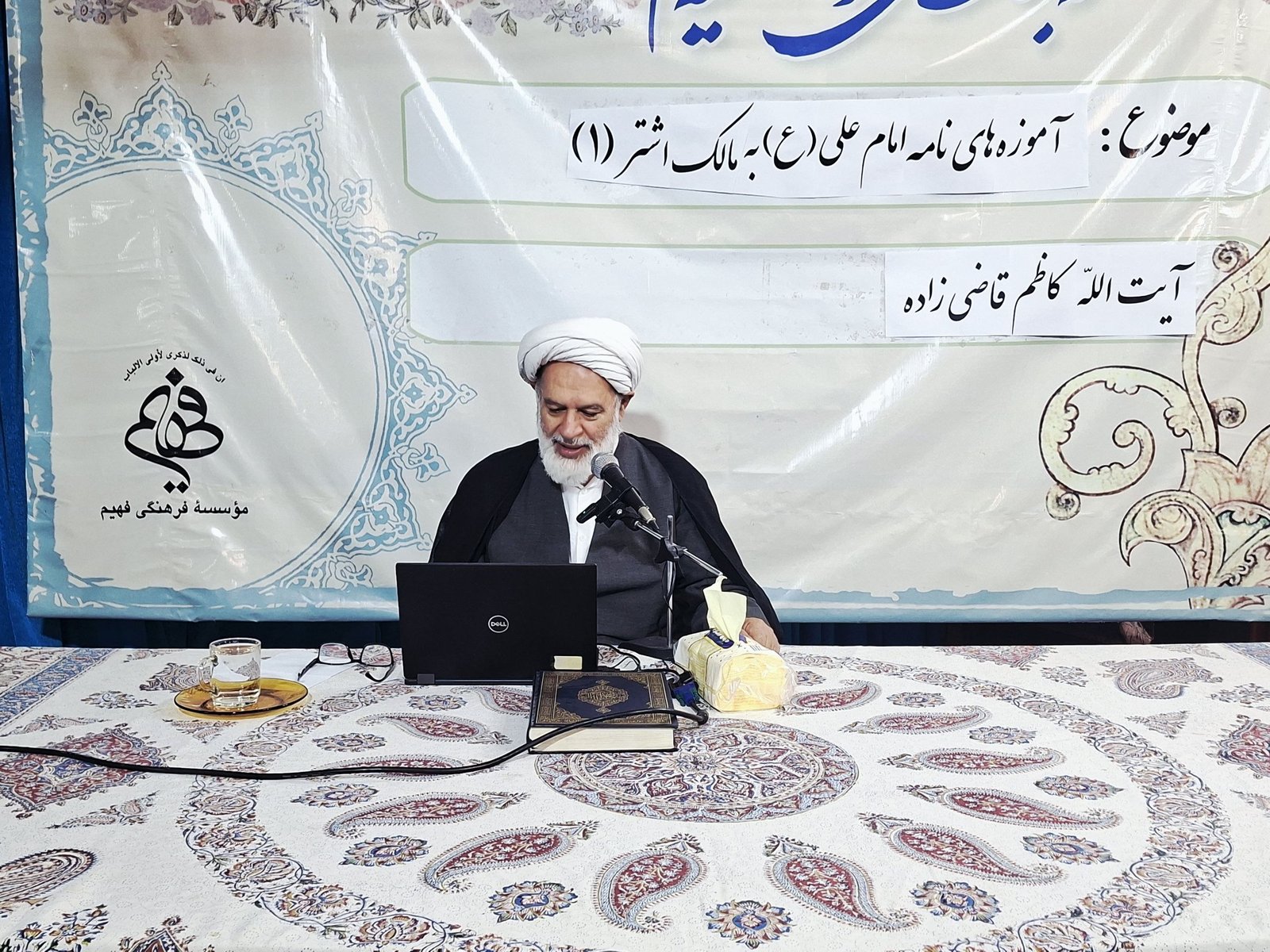
The Imam says: if the general public is discontented, the contentment of the elite is of no avail; but if the elite are discontented while the general public is content, no problem arises. That is, if a small group is discontented but the majority of the people are content, the government can accept that, because the foundation of government rests on the contentment of the general public. Therefore, in its decisions, government must not sacrifice the general public for the sake of the elite. The principal criterion is the interest of the general public, whether or not those people belong to our party, and whether or not they are our fellow townsmen. Unfortunately, such problems are sometimes seen in certain enactments or policies. For example, at one time some private universities set conditions for admitting master's students that in practice only one particular individual met. For instance, they would announce that the applicant must hold such-and-such a degree, must have studied up to a certain level in the hawza, and must also know a particular language. When we looked into it, we saw that the only person who met all these conditions together was the son of the president of that very university. Or in parliament, clauses and provisos are sometimes added that create various quotas; for example, quotas for those who made sacrifices for the Revolution (isargaran), for the children of faculty members, and numerous other cases. These quotas sometimes become so numerous that in practice they take up a considerable share of the available places. According to unofficial information that is reported, for example, in the Faculty of Medicine of the University of Tehran, which is among the most sought-after fields, some two hundred to two hundred and fifty students are admitted each year, but a considerable portion of them enter through quotas, and fewer are admitted solely on the basis of top ranks in the national university entrance examination (konkur). These are examples showing that the elite are sometimes given preference over the general public.
Of course, there are sometimes exceptions; for example, someone whose father was martyred in the cause of the Revolution: society may place certain facilities at his family's disposal to compensate for part of that sacrifice. This is understandable; but it must not be extended to an excessive degree. Further on, Amir al-Mu'minin (AS) is asked whether justice is better or generosity. He replies: «العدل یضع الامور مواضعها و الجود یخرجها عن جهتها.» Justice causes everything to be put in its proper place, whereas generosity sometimes takes matters out of their natural place. For example, if abundant facilities are given to a region because of the presence of an official there, while other regions are deprived of those same facilities, this is a kind of departure from justice. The Imam continues: «العدل سائس عام و الجود عارض خاص.» Justice is a general and all-encompassing policy, whereas generosity and bounty extend only to a particular group. He therefore concludes: «العدل أشرفهما و أفضلهما.» Justice is superior to generosity. Of course, in personal relations, generosity and bounty may carry greater merit; for example, someone has done us a kindness and we respond with a greater kindness. But in government, if officials bestow favours according to people's closeness to themselves, injustice takes shape. So the criterion in government must be justice and attention to the general public. The Imam then states another important point, saying: «إنما عمود الدین و جماع المسلمین و العدة للأعداء العامة من الأمة.» That is, the pillar of the religion, the community of the Muslims and the force for confronting the enemies are these very masses of the people, not the elite. The elite are usually less present in difficult arenas, whereas it is the general public who are present in the fields, in the marches and in the defence of the country. Therefore, the attention and inclination of government must be towards these very people, and decisions must be taken that yield greater public benefit and whose outcome is better. Here an important question arises: what is meant by "the elite" and "the common people"? Does "the elite" mean the intellectual elite, the educated, or people with experience? Should they be set aside? The answer is that this is not what Amir al-Mu'minin means. The Imam goes on to describe the characteristics of the elite, saying that they are those who: are a heavy burden of expense on the government; give little help in times of hardship; are averse to fairness; make many demands; are not grateful when they receive favours; do not accept excuses when they are denied; and have little patience in difficulties. These are the "elite" the Imam has in mind. Therefore, "the elite" does not mean the scholarly elite or experienced people. The Qur'an too praises "those possessed of understanding" (ulu al-albab) and the learned. So it cannot be said that every member of the elite must be set aside. The Imam then gives another counsel, namely concerning how to deal with informers. He says: among the people, those who should be furthest from you are the ones who seek most of all to uncover the faults of the people. For the people have faults, and the person most worthy of concealing these faults is the ruler. The Imam says: do not seek to uncover what has not become apparent to you. In today's world, with surveillance tools and various technologies, governments can obtain a great deal of information about people's lives; but Amir al-Mu'minin stresses that the principle is the concealment of faults. He also counsels: conceal the faults of the people as far as you can, for God too will conceal those of your faults that you would like to remain hidden. Finally, the Imam counsels: remove rancour from your heart and cut off the causes of enmity. Accept people's excuses, and in carrying out the hudud (prescribed punishments), refrain from carrying them out where there is doubt. The Noble Prophet (PBUH), despite all the harm he had suffered at the hands of the people of Mecca, said at the conquest of Mecca: today is not a day of vengeance, but a day of mercy. A government endures when such a spirit prevails within it. In closing, we ask God to grant us all the success of servitude to Him. O God, protect the officials of our country, the Supreme Leader and the President, from every danger in these difficult days. O God, make our nation emerge with honour from this great trial. Destroy the enemies of this country, America and the Zionist regime, as soon as possible, and encompass our martyrs, especially the martyrs of these days and the martyred schoolchildren, in Your mercy and forgiveness.
والسلام علیکم و رحمه الله.
Comments
No comments yet. Be the first.
Write a note, critique or commentShare your view with us and other readers without leaving this page.