


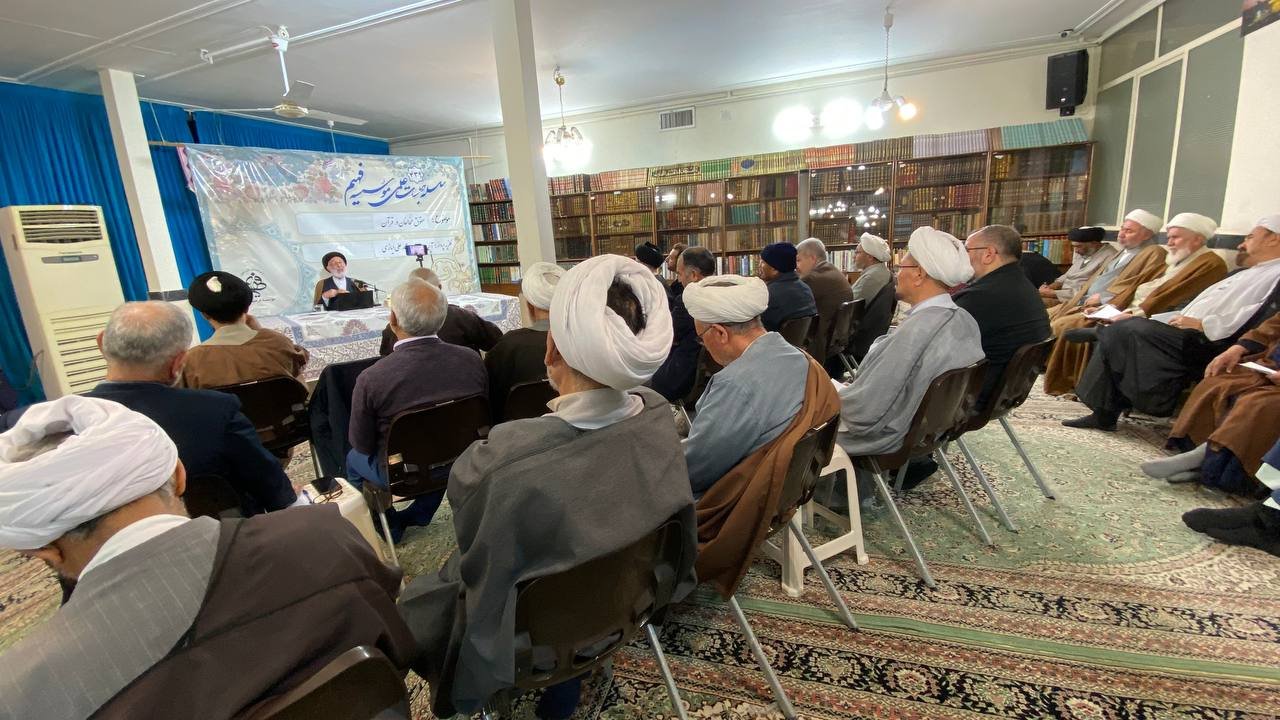
بِسْمِ اللَّهِ الرَّحْمَنِ الرَّحِيمِ. وَصَلَّى اللَّهُ عَلَى مُحَمَّدٍ وَآلِهِ الطَّيِّبِينَ الطَّاهِرِينَ، وَلَعْنَةُ اللَّهِ عَلَى الْقَوْمِ الظَّالِمِينَ.
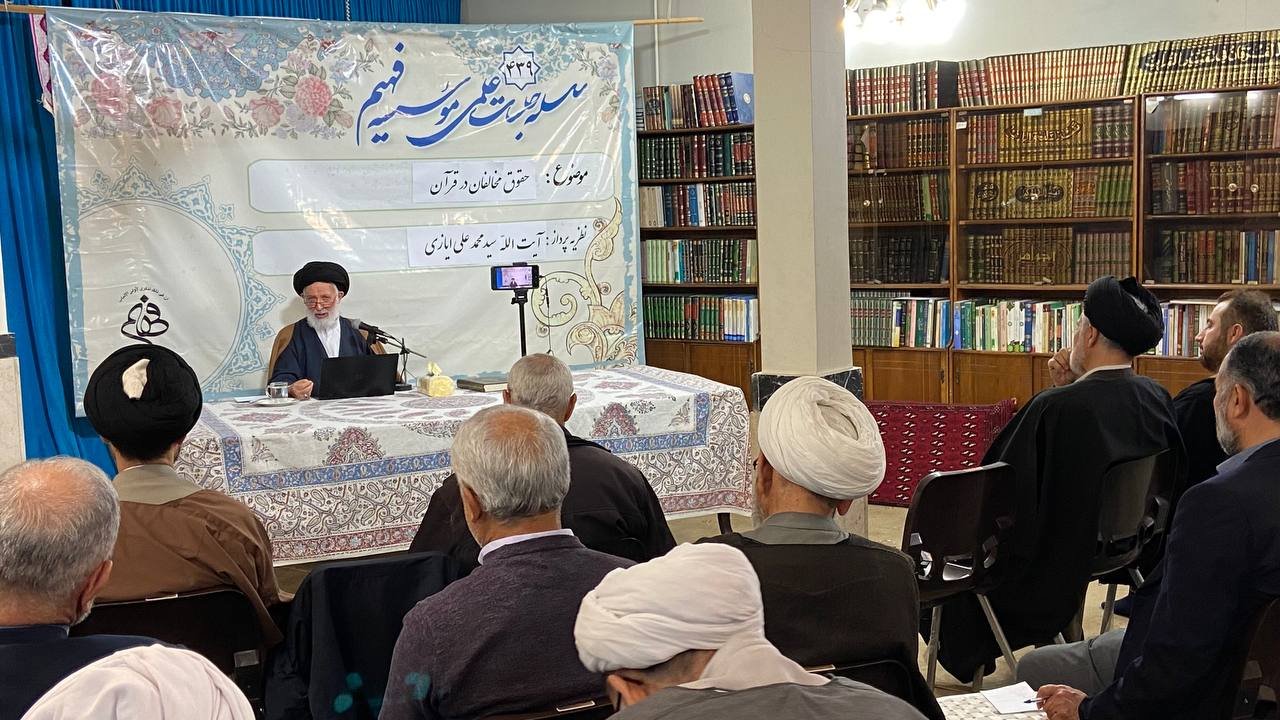
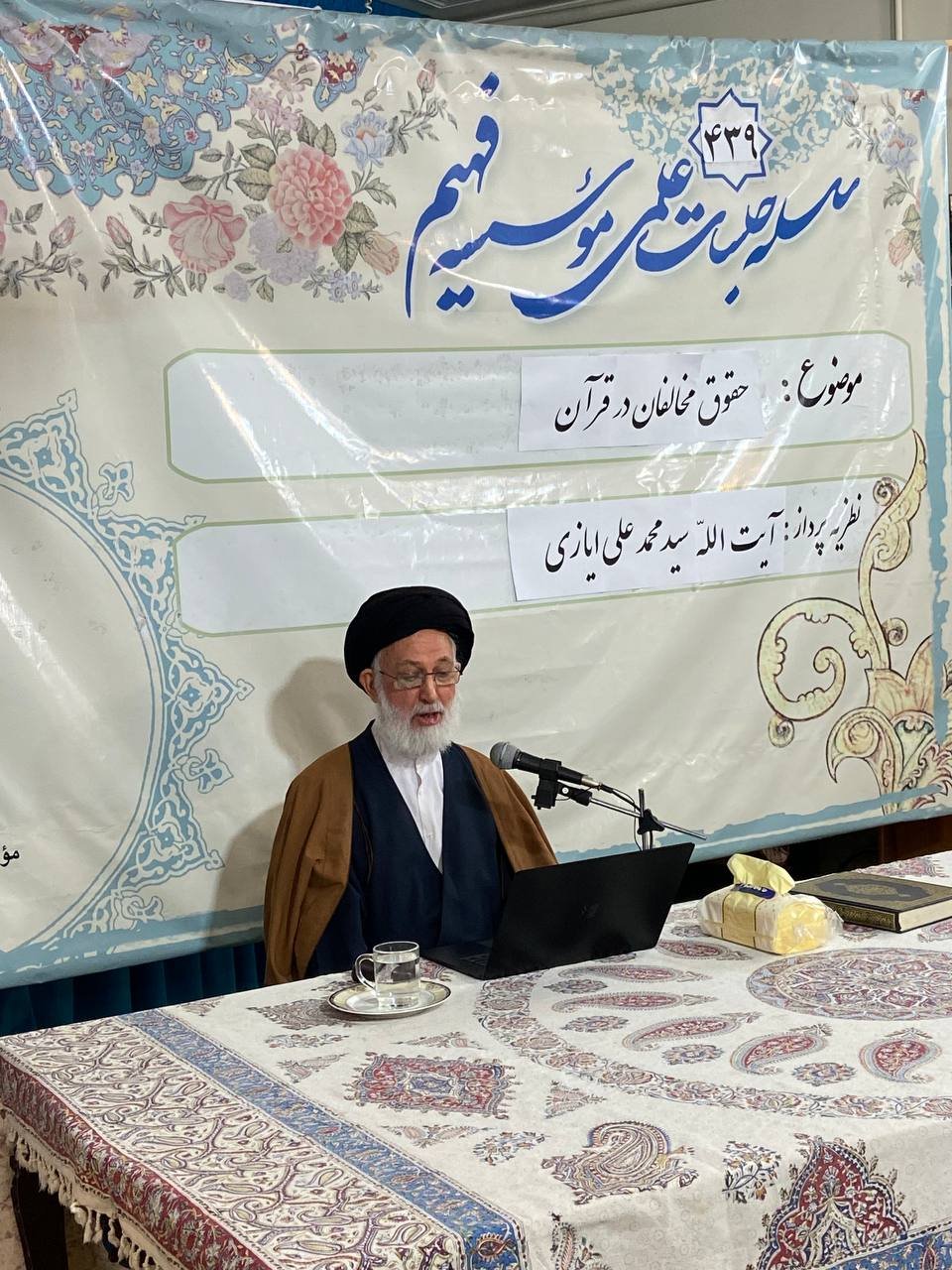
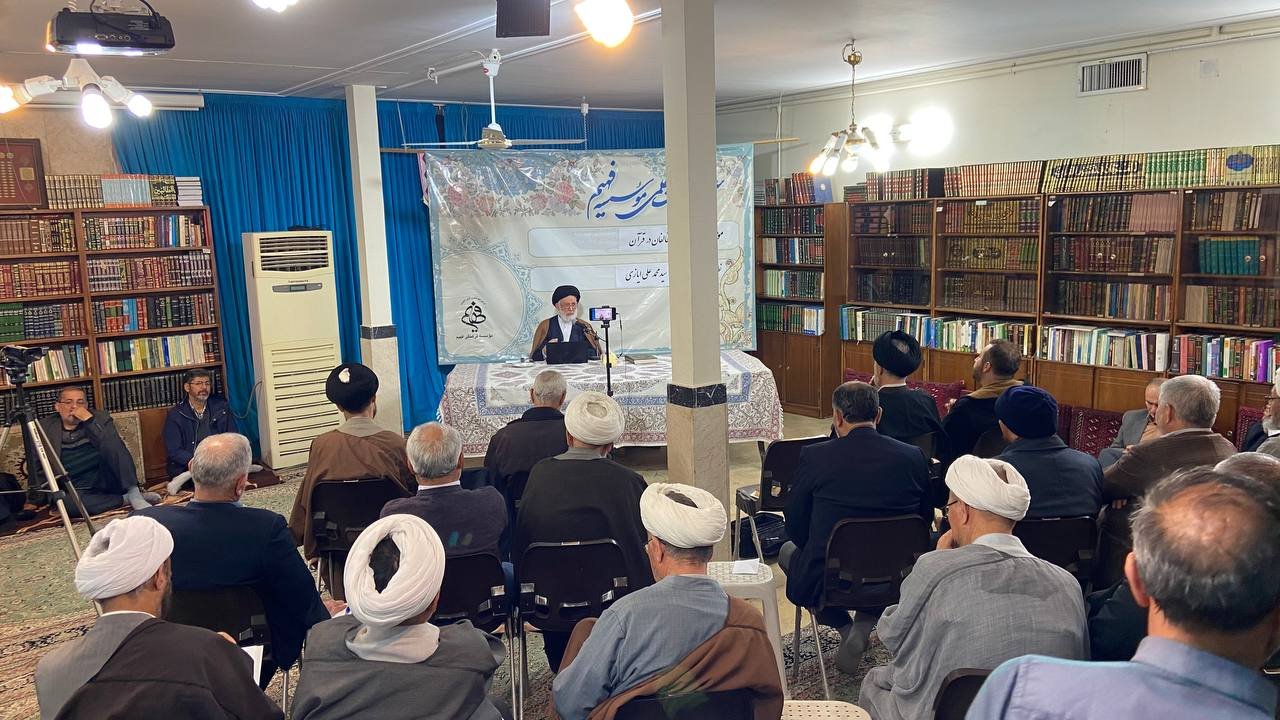
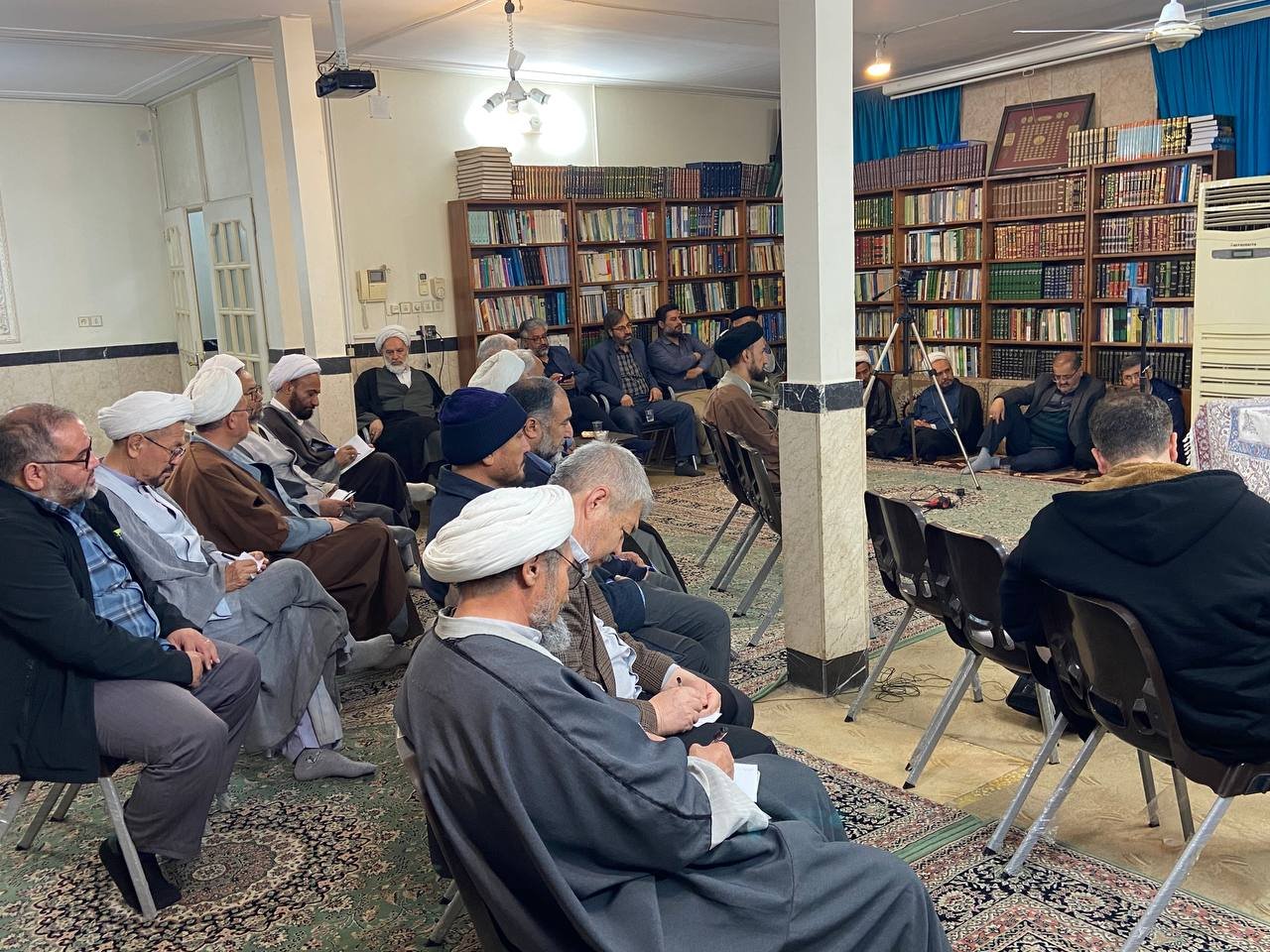
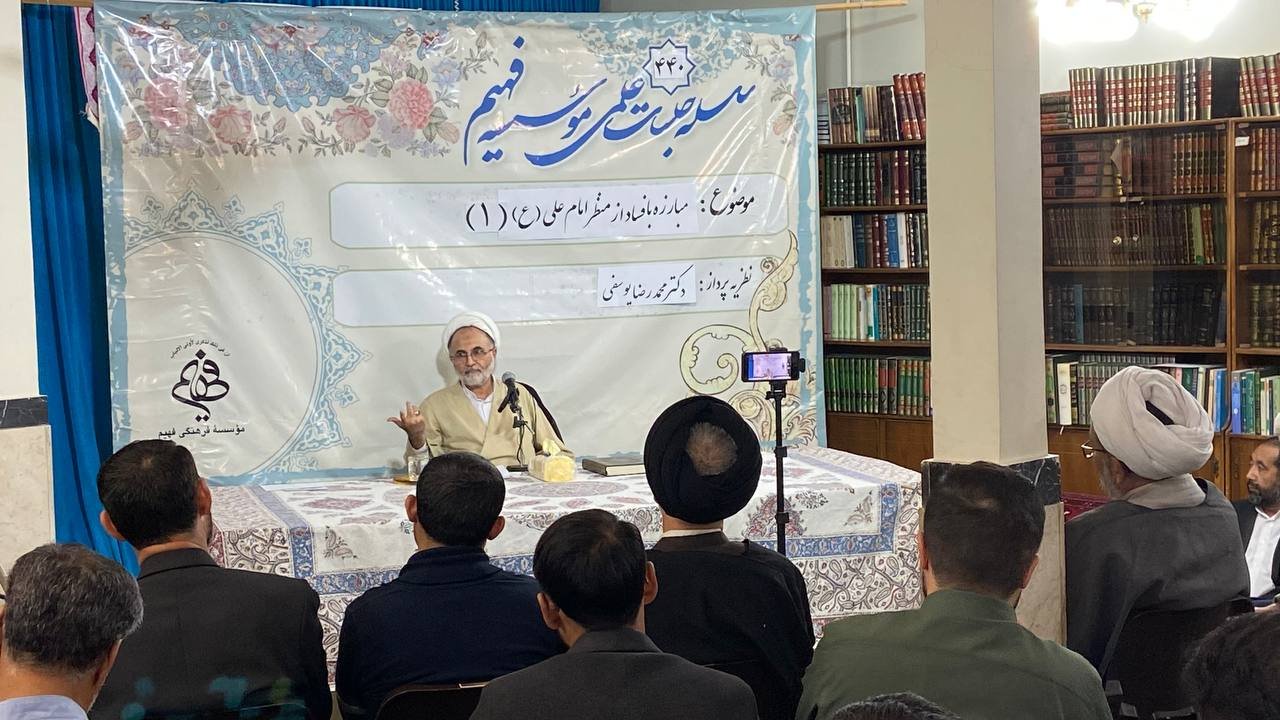
Esteemed professors and scholars, the subject I intend to share with you is "The Qur'anic Foundations of Good Governance, with an Emphasis on the Rights of Opponents from the Perspective of the Qur'an". I have, of course, abridged the discussion somewhat, and the main focus of my remarks will be the weighty question of "the rights of opponents" in good governance; for today, in the world's political literature, one of the principal indicators of good governance is the degree to which the ruling authority is committed to respecting the rights of its opponents.
Before entering the main discussion, I consider it my duty to refer to the fortieth-day commemoration of the loss of our dear compatriots in the events of Dey this year; a tragedy that truly left our patient nation in mourning and became a source of regret, pain and suppressed grief for society. I offer my condolences on this heart-rending tragedy to the bereaved families and ask God Almighty to grant them patience. As a seminary student, I call upon the relevant officials to take steps, by forming an independent fact-finding committee, towards winning public trust, consoling those who have been harmed and addressing their problems. Likewise, the release of those dear ones who came onto the streets solely to voice peaceful protest is a serious demand. We still do not know the precise dimensions of these events; the governing apparatus has one narrative and society another interpretation, and this duality has added to the ambiguity and the mistrust of the past. Good governance requires transparent accountability in response to such demands. Naturally, speaking in such tense and fragile circumstances is very heavy, and I say these words with a lump in my throat.
The Concept and Indicators of Good Governance
In order to enter the Qur'anic discussion, I must first offer a definition of "good governance" (Good Governance) and its indicators in the international order, so that we can then present the Qur'an's perspective on it. Although my specialisation is not in the social sciences and my discussions are based on my seminary specialisation in fiqh, usul, the Qur'an and hadith, mentioning these preliminaries is necessary.
The concept of good governance has attracted the attention of researchers over the past three decades. They believe that good governance requires a transparent democracy and a mechanism that wins public trust. Executive and governing institutions must be accountable and avoid shifting responsibility onto one another. The active participation of all social and political classes and groups is also essential; in such a society, first-class and second-class citizenship has no meaning and the law is the basis for running the country. This model is an exercise in the optimal management of resources and in aligning differing preferences along the path of national goals.
Thinkers sometimes arrive at the nature of good governance through a "negative definition"; that is, they say that if in a society economic growth is disrupted, inefficiency becomes widespread, public dissatisfaction rises, discrimination becomes institutionalised, and "clientelism" takes shape (in such a way that only one particular group has the opportunity to advance, and the law is merely a tool in their hands to justify their actions, while others are deprived of their basic rights), then good governance does not exist there.
If we wish to categorise the positive indicators of good governance, we must pay attention to the following:
Recognition of citizens' rights: the removal of the dividing lines between "insiders and outsiders" and respect for the rights of dissidents and opponents. Efficient management must be able to benefit from all of society's social capital and provide fair opportunities for every member of society.
The rule of law: the law must not be a tool for granting immunity to one faction and suppressing another. It cannot be that one group freely utters the harshest insults under various pretexts and remains immune, while another person is accused of apostasy for the slightest criticism. The just implementation of the law requires an independent judiciary. A judge must not be merely the executor of the orders of security officers; otherwise, the judiciary is reduced to a signing machine for the security institutions.
Transparency and the free flow of information: easy access for the people to information that has no security dimension. Amir al-Mu'minin (AS), in his letter to Malik al-Ashtar, explicitly states that the ruler must not conceal anything from the people except military and security secrets.
Accountability: the ruling authority must regard itself as a servant. In contrast to the mindset that holds rulers to be such that «لَا يُسْأَلُ عَمَّا يَفْعَلُ وَهُمْ يُسْأَلُونَ» (they are not questioned about whatever they do), good governance emphasises the necessity of the ruling authority's accountability to every single member of society.
The formation of public consensus: the ruling authority must provide the ground for dialogue and consensus. The polarisation of society and the creation of confrontation and violence among the people are clear signs of the ruling authority's mismanagement and inefficiency.
Effectiveness and efficiency: the optimal use of the country's natural resources and capacities. Economic imbalances and environmental crises are clear evidence of a lack of efficiency.
Responsibility: the ruling authority must accept responsibility for the consequences of its decisions. International institutions also evaluate and rank countries every year according to these very criteria.
The Qur'an's Concern: The Rights of Dissidents and Opponents
The second preliminary, and my main claim, which is the fruit of years of study of the divine verses, is this: one of the greatest social concerns of the Holy Qur'an is respect for the rights of opponents. The Noble Prophet (PBUH) was always concerned lest the rights of opponents be violated. Dissidents and opponents in the Qur'anic framework are divided into three groups: first, those who wage war (muharibun) and take up arms; second, enemies who have doctrinal opposition but do not resort to arms; third, critics who do not even bear enmity and are merely protesters.
Concerning those who wage war (who represent the most extreme form of opposition), the Qur'an has laid down unparalleled rules in the Medinan Surah al-Ma'idah, which was revealed in the final period of the Prophet's (PBUH) noble life. God says in the second verse: «وَلَا يَجْرِمَنَّكُمْ شَنَآنُ قَوْمٍ أَنْ صَدُّوكُمْ عَنِ الْمَسْجِدِ الْحَرَامِ أَنْ تَعْتَدُوا ۘ وَتَعَاوَنُوا عَلَى الْبِرِّ وَالتَّقْوَى وَلَا تَعَاوَنُوا عَلَى الْإِثْمِ وَالْعُدْوَانِ» (And let not the hatred of a people, because they barred you from the Sacred Mosque, lead you to transgress; and cooperate in righteousness and piety, and do not cooperate in sin and aggression). God warns that the rancour and enmity towards a people who by force prevented you from entering the Sacred Mosque must not cause you to depart from moderation and commit transgression. Confronting their enmity is one thing, but transgression is forbidden.
This same meaning is repeated in the eighth verse of Surah al-Ma'idah in even more forceful terms: «يَا أَيُّهَا الَّذِينَ آمَنُوا كُونُوا قَوَّامِينَ لِلَّهِ شُهَدَاءَ بِالْقِسْطِ ۖ وَلَا يَجْرِمَنَّكُمْ شَنَآنُ قَوْمٍ عَلَى أَلَّا تَعْدِلُوا اعْدِلُوا هُوَ أَقْرَبُ لِلتَّقْوَى وَاتَّقُوا اللَّهَ ۚ إِنَّ اللَّهَ خَبِيرٌ بِمَا تَعْمَلُونَ» (O you who believe, be steadfast for God, witnesses in justice; and let not the hatred of a people lead you to be unjust. Be just; that is nearer to piety. And fear God; indeed God is aware of what you do). He says: stand up for God and be witnesses to justice. Let not the rancour of enemies lead you away from the path of justice. It is remarkable that the Qur'an regards "acting justly towards the enemy" as the path nearest to "piety"! He says: take care not to fabricate justifications, for God is aware of what you do.
Concerning the scope of conflict, He says in Surah al-Baqarah: «وَقَاتِلُوا فِي سَبِيلِ اللَّهِ الَّذِينَ يُقَاتِلُونَكُمْ وَلَا تَعْتَدُوا ۚ إِنَّ اللَّهَ لَا يُحِبُّ الْمُعْتَدِينَ» (Fight in the way of God those who fight you, but do not transgress; indeed God does not love the transgressors). That is, fight only those who fight you; not protesters, not critics. And even in war, do not go to excess (وَلَا تَعْتَدُوا). It is not the case that if they strike one blow, you have the right to strike ten.
In another verse concerning conspirators we read: «وَدَّ كَثِيرٌ مِنْ أَهْلِ الْكِتَابِ لَوْ يَرُدُّونَكُمْ مِنْ بَعْدِ إِيمَانِكُمْ كُفَّارًا حَسَدًا مِنْ عِنْدِ أَنْفُسِهِمْ مِنْ بَعْدِ مَا تَبَيَّنَ لَهُمُ الْحَقُّ ۖ فَاعْفُوا وَاصْفَحُوا حَتَّىٰ يَأْتِيَ اللَّهُ بِأَمْرِهِ» (Many of the People of the Book wish they could turn you back to disbelief after your belief, out of envy from within themselves, after the truth has become clear to them. So pardon and overlook until God brings His command). Even though the truth has become clear to them, out of envy they wish to turn you back to disbelief. But what is God's command to the Prophet (PBUH)? He says: «فَاعْفُوا وَاصْفَحُوا» (pardon and overlook). We have numerous verses that command the Prophet (PBUH) to forbear in the face of rancour, lest, under the pretext of dealing with opponents, society depart from the orbit of ethics.
In another place where the verse apparently commands severity, note carefully what the subject of the verse is: «وَاقْتُلُوهُمْ حَيْثُ ثَقِفْتُمُوهُمْ وَأَخْرِجُوهُمْ مِنْ حَيْثُ أَخْرَجُوكُمْ ۚ وَالْفِتْنَةُ أَشَدُّ مِنَ الْقَتْلِ... فَإِنِ انْتَهَوْا فَإِنَّ اللَّهَ غَفُورٌ رَحِيمٌ» (And kill them wherever you overtake them and expel them from where they expelled you, and persecution is worse than killing... But if they desist, then indeed God is Forgiving and Merciful). Here the discussion concerns the battlefield and those who have taken up arms, not a critic who has been driven to exasperation and has no recourse but civil protest. Moreover, in the continuation of this very verse He emphasises that «فَإِنِ انْتَهَوْا» (if they desist), then leave them alone; do not raid their homes, do not pursue them in the streets, and do not fabricate cases against them!
As for non-Muslim dissidents who are not waging war, we have an astonishing verse in Surah al-Mumtahanah: «لَا يَنْهَاكُمُ اللَّهُ عَنِ الَّذِينَ لَمْ يُقَاتِلُوكُمْ فِي الدِّينِ وَلَمْ يُخْرِجُوكُمْ مِنْ دِيَارِكُمْ أَنْ تَبَرُّوهُمْ وَتُقْسِطُوا إِلَيْهِمْ ۚ إِنَّ اللَّهَ يُحِبُّ الْمُقْسِطِينَ» (God does not forbid you from those who do not fight you because of religion and do not expel you from your homes, that you should be kind to them and deal justly with them; indeed God loves those who act justly). This verse is unqualified and includes every dissident and non-Muslim (whether of the People of the Book or otherwise). He says: those who are not at war with you and have not driven you from your homes, treat them with kindness (أَنْ تَبَرُّوهُمْ) and deal with them justly (وَتُقْسِطُوا إِلَيْهِمْ). Note that He has placed "kindness" before "acting justly". One who claims to love God cannot trample upon the rights of dissidents. God forbids you only from befriending those who have drawn the sword: «إِنَّمَا يَنْهَاكُمُ اللَّهُ عَنِ الَّذِينَ قَاتَلُوكُمْ فِي الدِّينِ وَأَخْرَجُوكُمْ مِنْ دِيَارِكُمْ وَظَاهَرُوا عَلَىٰ إِخْرَاجِكُمْ...» (God only forbids you from those who fight you because of religion and expel you from your homes and aid in your expulsion...)
A Critique of the Theory of Offensive Jihad
You may ask, then, how these verses have been explained away by some exegetes and jurists, and how the theory of "offensive jihad" (jihad ibtida'i) took shape. The reality is that in the Qur'an there is nothing called "offensive jihad" in its technical juristic sense (military campaigns to make others Muslim). All the Prophet's (PBUH) military expeditions were defensive in nature. Even the verse legislating jihad explicitly gives its reason as defence against oppression: «أُذِنَ لِلَّذِينَ يُقَاتَلُونَ بِأَنَّهُمْ ظُلِمُوا» (Permission is given to those who are fought against, because they have been wronged). In the Battle of Badr too, the Prophet (PBUH) was not seeking war; he merely wished to demonstrate the deterrent power of the Muslims against the caravan of Quraysh, who had plundered their property. Hence he proposed returning and not fighting, but some of the leaders of Quraysh did not accept.
The proponents of offensive jihad believe that the verses of tolerance and mercy (such as "there is no compulsion in religion") and this group of verses have been abrogated by the so-called "verses of the sword" (ayat al-sayf). The two verses they put forward as abrogating are: «فَإِذَا انْسَلَخَ الْأَشْهُرُ الْحُرُمُ فَاقْتُلُوا الْمُشْرِكِينَ حَيْثُ وَجَدْتُمُوهُمْ...» (When the sacred months have passed, kill the polytheists wherever you find them...) (al-Tawbah: 5) «قَاتِلُوا الَّذِينَ لَا يُؤْمِنُونَ بِاللَّهِ وَلَا بِالْيَوْمِ الْآخِرِ...» (Fight those who do not believe in God or in the Last Day...) (al-Tawbah: 29)
But this claim of abrogation is flawed in several respects:
First, verses such as «لَا إِكْرَاهَ فِي الدِّينِ» (There is no compulsion in religion) are declarative sentences, and, as the late Allamah Tabataba'i explains, a declarative sentence (which reports an existential and inward reality) is not at all susceptible to abrogation; it is prescriptive (insha'i) rulings that admit of abrogation. The same can be said of other verses such as وَقَاتِلُوا فِي سَبِيلِ اللَّهِ الَّذِينَ يُقَاتِلُونَكُمْ وَلَا تَعْتَدُوا (Fight in the way of God those who fight you, but do not transgress). These sentences and meanings are not subject to abrogation such that they could be abrogated by the verses of the sword.
Second, there is no reliable narration from the Infallibles (AS) indicating the abrogation of these verses, and the existing claims, which are mostly attributed to the Successors (tabi'un), go back to the Companions.
Third, the subject of Surah al-Tawbah is not polytheists in general. The first verse of this surah is explicit: «بَرَاءَةٌ مِنَ اللَّهِ وَرَسُولِهِ إِلَى الَّذِينَ عَاهَدْتُمْ مِنَ الْمُشْرِكِينَ» (A declaration of disassociation from God and His Messenger to those of the polytheists with whom you had made a treaty). These verses concern that group of polytheists who broke their covenants and engaged in killing (al-'ahd lil-'ahd), not all non-Muslims.
Fourth, historically, the order of revelation required between abrogating and abrogated has not been observed. The abrogated must come earlier and the abrogating later, and Surah al-Ma'idah (which contains the strongest commands of tolerance and justice towards enemies) was revealed after Surah al-Tawbah! How could the abrogating verse be revealed before the abrogated one, and the later ruling be abrogated? The same applies to the relationship between Surah al-Baqarah and Surah al-Mumtahanah, which is also later than al-Baqarah.
The Conduct of the Infallibles (AS) and the Avoidance of Extremism
The principle of respecting the rights of opponents and accepting the right to protest in the conduct of the Prophet and Amir al-Mu'minin is established by conceptual mass transmission (tawatur ma'nawi) across various incidents. Many of the Companions used to protest. There were the hypocrites in the city of Medina, to whom numerous verses also refer, yet the Prophet never ordered them to be punished. In Surah Hud, God says to the Prophet (PBUH): «فَاسْتَقِمْ كَمَا أُمِرْتَ وَمَنْ تَابَ مَعَكَ وَلَا تَطْغَوْا» (So remain steadfast as you have been commanded, you and those who have turned back with you, and do not transgress). Some of the Companions, with the harsh and revolutionary temperament of that time, wanted violent measures, but the Qur'an warns: do not transgress and do not go to extremes. It is for this reason that the Prophet (PBUH) said: «شَيَّبَتْنِي سُورَةُ هُودٍ» (Surah Hud made me grow old), for restraining those extremist companions was extremely gruelling for him.
In the conduct of Amir al-Mu'minin (AS) too, we see that the Kharijites would insult him in the mosque, yet he would show patience and would not allow anyone to answer an insult with the sword, or, in today's terms, to take fiery and revolutionary measures. He would describe them thus: «هُمْ إِخْوَانُنَا بَغَوْا عَلَيْنَا» (They are our brothers who have rebelled against us). Imam al-Baqir (AS) also says: «إِنَّ عَلِيًّا لَمْ يَكُنْ يَنْسُبُ أَحَدًا مِنْ أَهْلِ حَرْبِهِ إِلَى الشِّرْكِ وَلَا إِلَى النِّفَاقِ» (Indeed Ali never attributed polytheism or hypocrisy to any of those who fought against him). In the affair of the Kharijites he would say that as long as they did not take up the sword, he would not even cut off their stipends from the public treasury (bayt al-mal).
In a very subtle narration from the Ahl al-Bayt (AS) on the difference between rightful and false government it is stated: «إِنَّ إِمَارَةَ بَنِي أُمَيَّةَ كَانَتْ بِالسَّيْفِ وَالْعَسْفِ وَالْجَوْرِ، وَإِنَّ إِمَارَتَنَا بِالْحِلْمِ وَالتَّأَلُّفِ وَالْوَقَارِ وَالْوَرَعِ» (The rule of the Umayyads was by the sword, coercion and tyranny, while our rule is by forbearance, conciliation, dignity and piety). The government of the Umayyads was by the sword, oppression and violence, but the foundations of our government rest upon forbearance, amity, dignity and scrupulous piety. "Wara'" (scrupulous piety) here means the ruler's extreme caution in safeguarding the honour and lives of the people.
Answers to the Audience's Questions
Regarding the question "What is to be done if opponents do the enemy's work and take up arms?", I said that certainly, if through a fair, transparent and independent judicial process it is proven that a person has disrupted the security of society and taken up arms (such as setting fire to mosques or the Qur'an), he must be punished in proportion to his crime. But this requires the existence of those very independent institutions and fact-finding committees and an independent and trustworthy judiciary, so that the people's voice is heard and the genuine is distinguished from the false, rather than every protester being accused of seeking violence. The Supreme Leader also distinguished between the right to protest and violence; we must ask whether we have truly provided a safe space for these protests over these years. Why have the young people who are moving in the streets today become despairing and disillusioned, and taken refuge in people outside the country in a way that was never foreseen? Has our approach to elections not created such despair? Has the manner of dealing with protesters not been such?
Regarding the point that "in these verses the Qur'an has merely specified the duty of Muslims and has not directly established any right for opponents", I must say that the very essence of rights is presupposed for human beings. The Qur'an's address is in fact a dispelling of a misconception and a response to a doubt; it wishes to warn the believers lest they imagine that because someone is an opponent or a dissident, his human rights have lapsed and they are permitted to treat him in any way whatsoever.
اللَّهُمَّ صَلِّ عَلَى مُحَمَّدٍ وَآلِ مُحَمَّدٍ، اللَّهُمَّ انْصُرِ الْإِسْلَامَ وَأَهْلَهُ وَاخْذُلِ الْكُفْرَ وَأَهْلَهُ. O God, grant us success in knowledge and action in this blessed month, keep the shadow of war and aggression away from this country, and immerse the deceased believing men and women in Your vast mercy.
Comments
No comments yet. Be the first.
Write a note, critique or commentShare your view with us and other readers without leaving this page.